

A working car dealer is giving viewers a rare inside look at how current used-car market trends are actually shaping buying decisions on the lot. In a reel posted by @georgejsaliba (JS Auto Haus Group), the dealer walks through his own inventory, pointing out what’s shifting in the market and laying out the specific strategy he’s using to keep buying smart while conditions change under him.
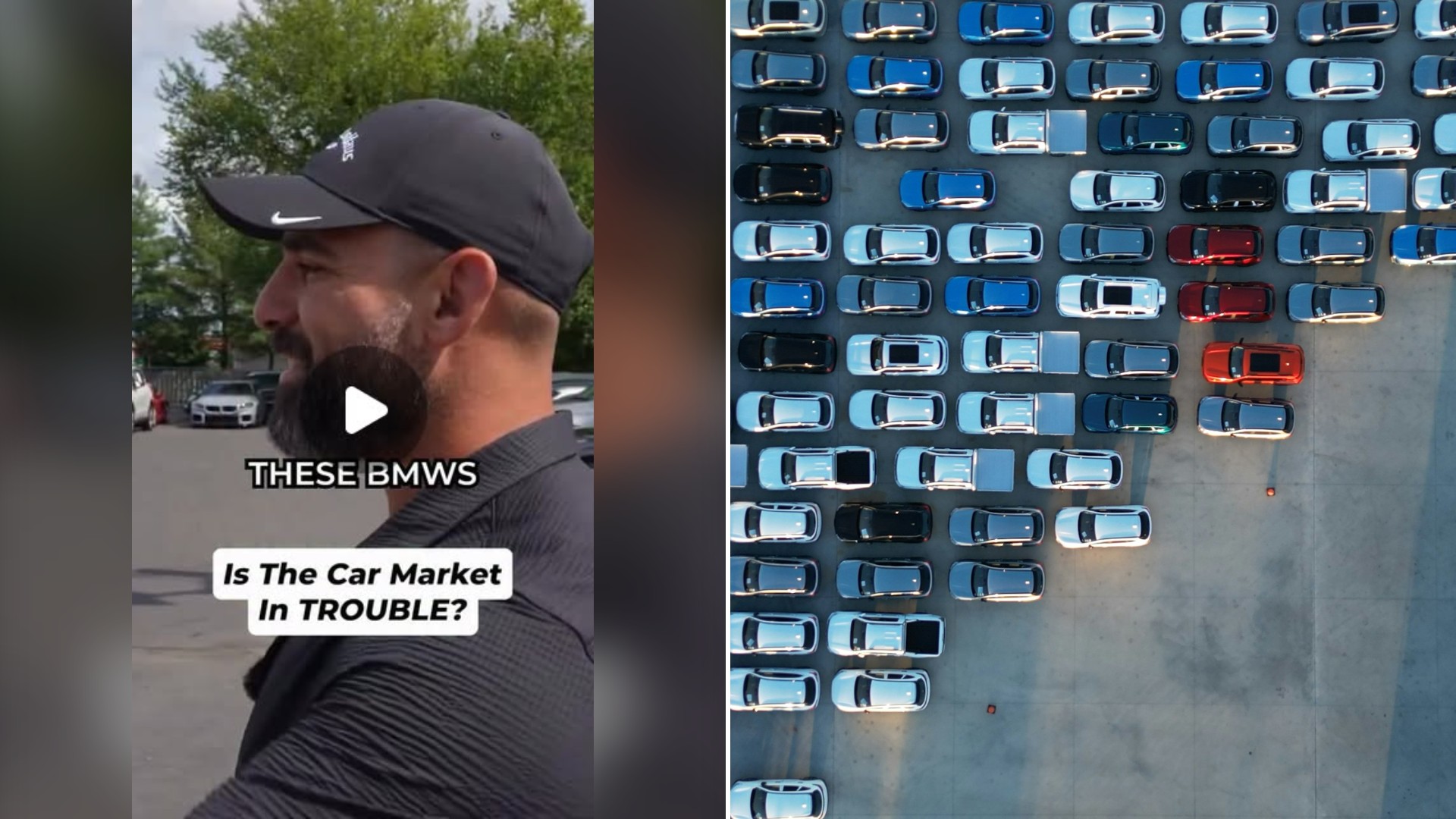
Insider market breakdowns like this one carry a kind of credibility that outside analysis can’t replicate. A dealer isn’t speculating about the market from a spreadsheet, he’s reacting to what he’s actually seeing at auctions, trade-ins, and walk-up sales week over week, which gives his read on the market real weight.
The used car market has gone through significant swings over the past several years, from the extreme price spikes driven by new-car inventory shortages to a more recent cooling as supply chains normalized and interest rates made financing more expensive for buyers. Dealers who buy inventory for resale have to read these shifts in close to real time, since overpaying for stock during a softening market can leave a lot full of cars that sit for months before selling at a loss.
One of the biggest factors dealers watch closely is wholesale auction pricing, which tends to move ahead of retail prices by weeks or even months. When auction prices for a particular segment, like midsize SUVs or work trucks, start trending down, it’s often a signal that retail prices for those same vehicles will follow, giving a sharp buyer a window to adjust what they’re stocking before the broader market catches up.
Interest rates play an outsized role in used car demand as well. Higher financing costs push monthly payments up even when a car’s sticker price stays flat, which can shrink the pool of buyers who qualify for a loan on a given vehicle. Dealers who track this closely often shift toward stocking lower-priced inventory during high-rate periods, since affordability becomes the deciding factor for more buyers than it would in a lower-rate environment.
For everyday buyers, this kind of insider perspective is useful well beyond entertainment value. Understanding that dealers are actively adjusting their buying strategy based on market softness or strength can help a shopper time a purchase more strategically, whether that means watching for dealers clearing out slow-moving inventory at a discount or recognizing when a high-demand segment isn’t likely to get any cheaper in the near term.
Dealers who are willing to share this kind of strategy publicly are, in a sense, demystifying a process that’s traditionally been opaque to the average buyer, and that transparency is exactly what’s driving the strong response to this kind of content.
More from Steel Horse Rides
- Weekly Bank Repo Auction Just Sold An Entire Running Car For Only Three Hundred And Fifty Dollars And The Crowds Reaction Says Everything About How Shocked They Were
- Buyer Risked Five Hundred Dollars On A Mercedes GL450 Worth Close To Fifteen Thousand Dollars And Is Revealing Every Hidden Mechanical Flaw One By One
- A Truck Flipper Was Mid Inspection On A Suspicious Facebook Marketplace Truck When It Suddenly Started Smoking And Leaking Fluid All Over The Parking Lot