

A car flipper documenting a Facebook Marketplace deal stumbled onto a discrepancy that pointed straight at a likely scam: the name on the car’s title didn’t match the seller’s own name. The video, posted by @mateoflips, walks through the moment the mismatch is caught, laying out why it’s considered a major red flag for a possible mileage rollback or title-washing scheme.
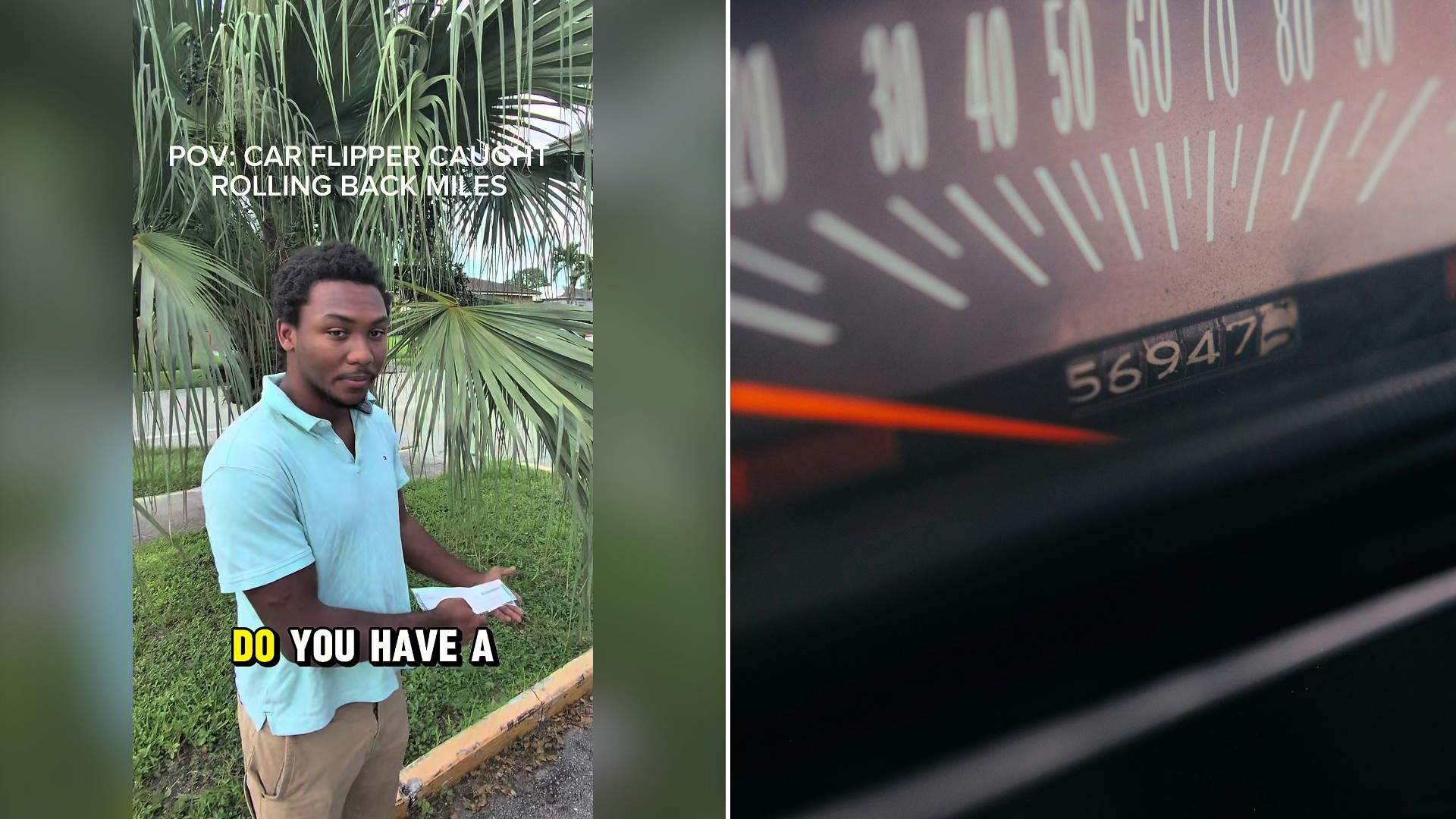
Paper-trail investigations like this one have become a genre of their own among car flippers, who’ve learned that the title document often tells a more honest story than anything a seller says out loud during a private-party sale.
@mateoflips
A mismatched name on a title isn’t automatically proof of fraud; sometimes it reflects a legitimate but undisclosed intermediary sale, where a middleman bought the car and resold it without ever formally retitling it in their own name. But it’s also one of the most common signatures of a title-washing scheme, where a car with a branded title, salvage history, or rolled-back odometer gets passed through a chain of owners or states specifically to obscure its real history before landing with an unsuspecting buyer.
Odometer fraud remains surprisingly common. The National Highway Traffic Safety Administration estimates that odometer rollback schemes cost American consumers hundreds of millions of dollars every year, and the damage isn’t just financial. A car marketed as having 60,000 miles but actually carrying 150,000 is likely to need major repairs, like a transmission rebuild or timing component replacement, far sooner than the listing would suggest, sometimes within months of the sale.
Catching this kind of fraud before money changes hands starts with matching names: the seller’s ID should match the name on the title, and if it doesn’t, a buyer is entitled to ask why and to see a full chain of ownership. A vehicle history report through Carfax or AutoCheck can also flag suspicious gaps, like a car that’s been registered in several different states in a short window, which is a classic sign of title washing meant to erase a branded title from the record.
Buyers can also cross-check a car’s maintenance history, since service records, inspection stickers, and even old oil-change stickers inside the door jamb often list a mileage reading that can be compared against what the odometer currently shows. A significant mismatch between those numbers and the listed mileage is a strong signal something has been altered.
Title fraud of this kind is a federal crime under the Truth in Mileage Act, and victims can pursue both the seller and, in some cases, triple damages through civil court. For private-party buyers without a flipper’s trained eye, though, the real lesson from this video is simpler: when a seller’s name and the title’s name don’t line up, that’s not a detail to explain away, it’s a reason to walk.
More from Steel Horse Rides
- A Truck Flipper Was Mid Inspection On A Suspicious Facebook Marketplace Truck When It Suddenly Started Smoking And Leaking Fluid All Over The Parking Lot
- Buyer Risked Five Hundred Dollars On A Mercedes GL450 Worth Close To Fifteen Thousand Dollars And Is Revealing Every Hidden Mechanical Flaw One By One
- Weekly Bank Repo Auction Just Sold An Entire Running Car For Only Three Hundred And Fifty Dollars And The Crowds Reaction Says Everything About How Shocked They Were