

A roadside rescue filmed by @curbside_brakes_bakersfield has reached 3.7 million views by capturing a scenario nearly every driver fears: being stranded with a car that simply won’t go. The mobile mechanic pulls over to help two stranded strangers and quickly traces the problem to a failed clutch master cylinder, diagnosing a relatively uncommon failure in real time on camera.
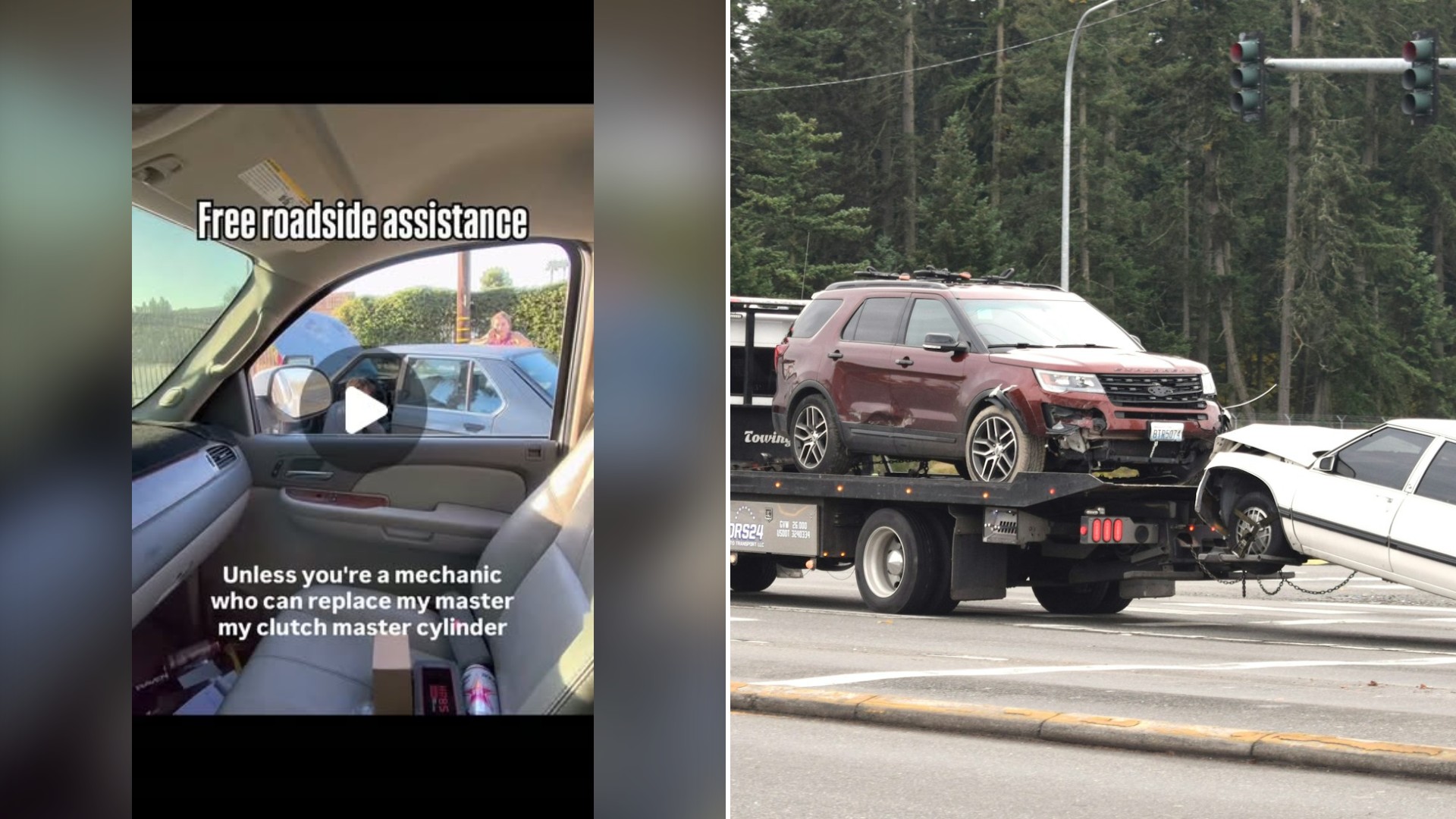
Roadside-rescue content consistently performs well precisely because the fear it taps into is universal. Almost everyone who drives has imagined being stuck somewhere unfamiliar with no idea what’s wrong or who to call, which makes watching a stranger’s problem get solved on the spot deeply satisfying.
A clutch master cylinder is a small but essential hydraulic component on manual-transmission vehicles that converts the pressure from a driver’s foot on the clutch pedal into hydraulic force that disengages the clutch itself. When it fails completely, the pedal typically goes soft or sinks straight to the floor with little to no resistance, and the driver loses the ability to shift gears at all — which is exactly the kind of failure that can leave a car stuck in the middle of an intersection or on the shoulder of a road with no warning.
Compared with more common roadside failures like a dead battery or a flat tire, a clutch master cylinder failure is relatively rare, largely because manual-transmission vehicles make up a shrinking share of cars on the road in many markets. That rarity is part of what makes a correct, fast diagnosis genuinely impressive rather than routine — many drivers, and even some less experienced mechanics, might initially suspect a transmission problem or a failed clutch itself before narrowing it down to the much cheaper and more common hydraulic component.
The good news for drivers facing this specific failure is that the fix, once diagnosed correctly, is usually straightforward and inexpensive relative to many other drivetrain problems. A replacement clutch master cylinder typically costs $50 to $150 for the part itself, with labor adding a modest amount more depending on how accessible the component is on a given vehicle, since some cars require removing surrounding components to reach it. Properly bleeding the hydraulic clutch system afterward, to remove any trapped air, is a critical final step that determines whether the fix actually restores normal pedal feel.
For drivers stranded by a sudden mechanical failure of any kind, a few basic habits make a real difference before help ever arrives. Keeping a phone charged and a portable charger in the car removes the single biggest obstacle to calling for help in the first place. Pulling as far off the roadway as possible and turning on hazard lights immediately, even before fully understanding what’s wrong, reduces the risk of a second, far more dangerous incident while waiting. And having a roadside assistance plan, whether through an auto insurer, a credit card benefit, or a dedicated membership service, removes the stress of trying to find a trustworthy tow or repair service while already stranded and anxious.
Stories like this one also reflect well on an often-overlooked segment of the auto repair industry: mobile mechanics who build local reputations specifically by showing up for strangers in the exact moments they’re most vulnerable, turning what could be a terrifying roadside experience into a quick, well-explained fix.
More from Steel Horse Rides
- Mechanic Pours Molten Metal Into a Damaged Spark Plug Hole, Sands It Flat, Drills It Out, Cuts Fresh Threads With a Tap and Screws the Plug Back In Over Three Minutes
- Motorcycle Mechanic Uses a Yellow Zip Tie as a Temporary Third Hand to Line Up a Broken Chain, Then Fits the Master Link Pins, Plate and Spring Clip in a Narrated Clip
- Jeep Driver Winches a White Pickup Out of Rising Surf Using a Second Truck as an Anchor in Part Four of a Beach Recovery Series Titled The Water Is Rising