

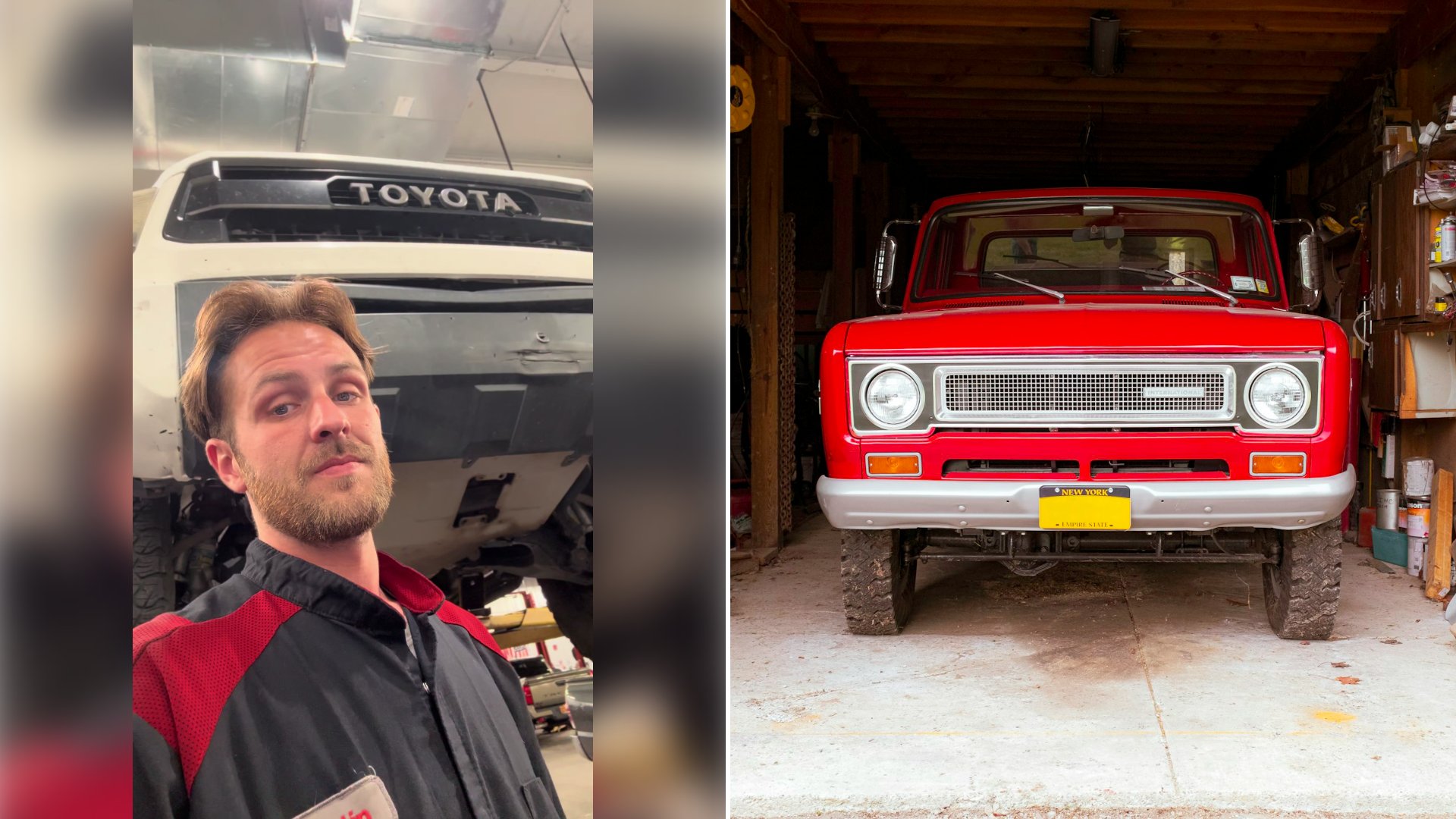
A Toyota technician films himself under a lifted Toyota truck mid job and uses the moment to vent about a frustration that a lot of shop workers quietly share: warranty covered repair work often does not pay like the rest of the job. He is not trashing the brand or the dealership, he is giving a look at the day to day math that shapes whether a shop floor feels worth showing up to.
The video from @thatyotaguy1 shows him working through a repair while talking through the broader shop culture around warranty jobs versus standard paid customer work, a topic that resonates widely in technician circles even when the exact specifics of any single job are not spelled out on screen. It is shop floor commentary rather than a scripted breakdown, which is part of why it feels authentic to viewers who have worked a wrench for a living.
@thatyotaguy1
The underlying structure that technicians are frustrated by is real and well documented in the trade. Most dealership technicians are paid on a flat rate system, where the shop pays a set number of hours for a given job regardless of how long it actually takes, and manufacturers set a separate, often lower, flat rate time allowance specifically for warranty repairs compared to the time allowed for the same job when a customer pays out of pocket. A job that takes a tech two real hours to complete might only pay out one hour of warranty labor time, while that same repair billed to a paying customer could be credited at a higher book rate. Multiplied across a full shift of warranty heavy work, that gap adds up to real income lost over a pay period.
This pay structure is a big part of why the automotive repair industry has struggled with technician shortages for years. Industry trade groups and trade schools have repeatedly flagged that fewer young workers are entering the profession even as demand for qualified techs keeps climbing, with vehicles growing more complex every model year. Lower effective pay on warranty heavy shifts, combined with the upfront cost of tools and ASE certifications that many technicians pay for out of their own pocket, makes the math tougher for someone deciding whether to start a career behind a lift versus in another skilled trade with more predictable pay.
Some dealerships and manufacturers have responded by adjusting pay plans, offering guaranteed hourly minimums on top of flat rate commissions, or increasing warranty time allowances for specific repairs that tend to run long. Technician advocacy groups have also pushed for broader reform of flat rate warranty time standards, arguing that the official time allowances for many repairs have not kept pace with how long modern jobs, especially ones involving complex electronics and sensors, actually take to complete correctly. Until that gap closes industry wide, warranty work will likely keep being the shift techs dread rather than welcome.
For customers, there is a useful takeaway buried in all of this too. A tech who seems rushed on a warranty job is not necessarily cutting corners out of carelessness, they may be working under a pay structure that financially punishes them for taking the extra time a repair actually needs. A little patience and a direct conversation with the service advisor about what is being covered under warranty versus what will be billed can go a long way toward understanding why a repair timeline looks the way it does.
More from Steel Horse Rides
- Creator Explains Why the Toyota Tacoma Holds Its Value So Well and Shares Independent Resale Data for the Tundra, Four Runner and Land Cruiser As Well
- Arizona Technician Sorts Nine SUVs and Trucks Into Reliable or Unreliable, Putting the Chevy Equinox 2.4 in Red Over Oil Use and Calling the Ford F150 5.0 a Truck for His Family
- Mobile Mechanic Says a Dealership Blamed a Timing Chain for Up to Five Thousand Dollars, Then He Pulls a Clogged VVT Solenoid and Watches Every Camshaft Code Disappear