
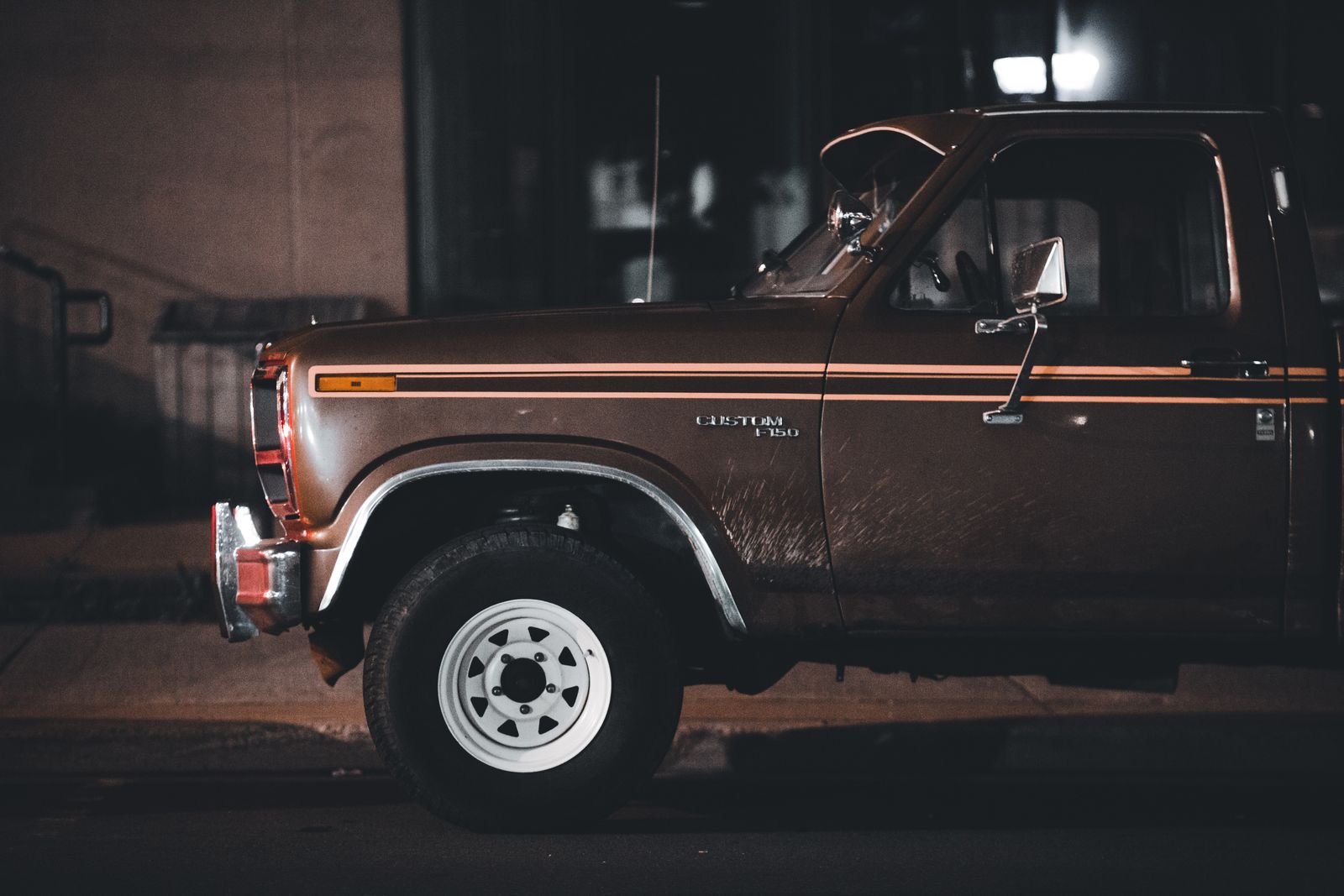

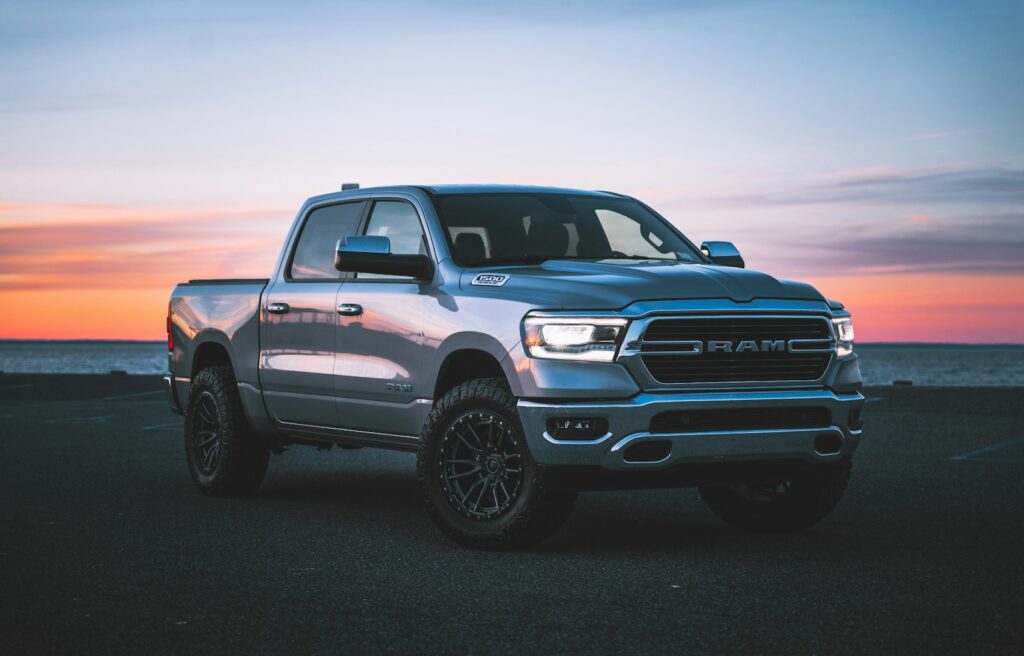
He’d been complaining about the brake pedal for so long it turned into background noise in his own life. The truck was a heavy-duty pickup—big tires, tow mirrors, the whole “this thing can pull a house” vibe—and from day one the brake pedal felt weirdly soft. Not “the brakes don’t work” soft, just… spongy, like you had to push through a thick mattress before anything happened.
Every time he brought it up, someone had a reason. The service advisor had the same calm smile and the same line: it’s normal for a big vehicle, the brake booster feels different, you’re used to a smaller car. Friends said similar stuff in that half-joking way people do when they’re trying to reassure you: “Dude, trucks are boats. You gotta plan your stops.” He didn’t love that answer, but the truck stopped, technically, and life kept moving.
By the time the family trip came around, the soft pedal had been filed away with all the other minor irritations you learn to live with. He’d put money into hitch equipment, checked the trailer lights, aired up the tires, and loaded the camper with the usual mix of practical gear and “we might need this” junk. The plan was a mountain campground, a few nights away, and the kind of drive that feels like a reward when you finally crest the ridge.
The soft pedal that wouldn’t go away
The original complaint started small: sometimes the pedal felt like it took a second to “catch.” He’d press, the truck would hesitate, then the brakes would bite. No warning lights, no obvious leaks on the driveway, nothing dramatic—just a feeling that made him keep more distance than he used to.
He did what people are always told to do: take it in, document it, don’t ignore brakes. The dealership did their checks, took it for a spin, and came back with that maddeningly vague verdict—everything’s within spec. One tech mentioned that modern trucks can feel different because of brake assist systems, another tossed in something about trailer brake controllers and how towing changes pedal feel.
He wasn’t towing during those visits, which became part of the problem. It’s hard to reproduce “it feels off sometimes” when the vehicle’s empty and the test drive is a flat, five-minute loop around town with a stranger behind the wheel. He’d insist the pedal shouldn’t feel like that; they’d insist there was no code, no leak, no measurable failure.
After a few months, it turned into a pattern: he’d notice it, schedule an appointment, lose half a day, get told it’s normal, and drive home feeling slightly embarrassed for being the guy who cried brake pedal. Even his family started reacting like it was just one of his “truck things,” the way people roll their eyes when someone obsessively listens for a noise that no one else can hear.
Prepping to tow made him feel better… for a minute
Right before the trip, he did the responsible pre-tow routine. He checked the fluid reservoir and it looked fine, no obvious drop. He walked around the truck and the camper, tested the trailer brakes with the controller, and made sure the breakaway switch cable was clipped on.
He even mentioned the pedal again—one last time—when he brought the truck in for a quick inspection. Same result: the shop didn’t find anything actionable. The tone was polite but firm, like they’d already decided he was hypersensitive and needed to adjust expectations about what “normal” feels like in a vehicle that big.
On the highway heading out, everything was smooth. The truck pulled the camper without drama, the steering felt planted, and the brakes seemed fine on gentle slowdowns. That’s the part that makes people second-guess themselves: when the issue is intermittent, you start thinking maybe you’re the problem.
Then they hit the mountains, and the drive changed from “road trip” to “work.” Grades got steeper, curves got tighter, and the truck stopped being a comfortable living room on wheels and started feeling like a machine that needed attention. He downshifted on descents like he’d been taught, tried to keep speeds reasonable, and still couldn’t shake that little voice that kept replaying the phrase: soft pedal.
The moment the pedal went to the floor
It didn’t happen at the top. It didn’t happen on the first few switchbacks either. It happened after a stretch of downhill where you have to keep braking in short bursts—slow for a curve, release, slow again—because the road never really gives you a long flat to reset your nerves.
He pressed the brake to scrub speed before a turn and felt the pedal sink farther than it ever had. At first it was that familiar spongy travel, then it just kept going like the linkage had detached. The pedal hit the floorboard with a dull, final feeling that didn’t need interpretation.
The reaction inside the cab was instant and messy. His spouse looked up from the passenger seat like she’d felt the change through the air, not the pedal. The kids were in the back doing kid things—talking, fidgeting, asking for snacks—until his voice snapped tight and loud telling everyone to stay quiet.
He tried pumping the brakes, the way people do from movies and panic memory, and got almost nothing back. The truck still had some braking, but it was the kind that feels like dragging a foot on carpet, not clamping rotors. The camper behind them added that extra, sickening push, like gravity had a hand on their bumper.
Trying to survive the descent without making it worse
He did the only things he had left: downshift hard and start hunting for a place to bleed off speed. Engine braking helped, but not enough, and every time he touched the pedal it felt like pressing into a wet sponge. He flicked on hazard lights, not because it fixed anything, but because it was one of the few actions that made sense.
There’s a special kind of fear that shows up when you can’t stop a vehicle you’re responsible for. It’s not the screaming kind; it’s focused, practical, almost cold. He kept scanning ahead for a runaway truck ramp, a wide shoulder, anything that wasn’t a cliffside guardrail and a bend he couldn’t take at speed.
When he finally spotted a pull-off area—more gravel than pavement, with a slight uphill lip—he committed to it like it was the only door out of a burning building. He eased the rig into it, letting the incline and the gravel chew away momentum. The truck shuddered, the camper tugged, and then everything stopped in a crooked, dusty angle that felt miraculous and humiliating at the same time.
For a second nobody spoke. Then the adrenaline wore off just enough for the shaking to start, hands trembling on the wheel, his spouse asking if they were okay in a voice that sounded too calm. The kids finally caught up to the seriousness of it and went quiet in that eerie way children do when they know the adults are scared.
The fallout: “normal” stops sounding harmless
Once they were parked, the practical problems piled up fast. The brake pedal stayed low, and the truck had that hot-brake smell hanging around it, mixed with mountain dust. He didn’t want to move the rig an inch, but they were sitting in a pull-off that wasn’t meant for a long stay, and he knew every minute they stayed there increased the chance of someone coming around a curve too fast.
He called for roadside help and then called the dealership, because anger makes people do weirdly optimistic things—like believing the same place that dismissed you will suddenly understand urgency when you’re stranded on a mountain. The person on the phone was sympathetic in the script-y way call centers are, but there was still that undercurrent of, “Well, we’ll have to inspect it,” as if his account was still just a story.
When the tow operator arrived, the operator didn’t argue about whether a soft pedal was normal. He took one look at the setup, listened to the description, and got serious in a way that made the truck owner feel both validated and furious. The operator talked about overheated brakes, possible fluid boil, maybe a failing master cylinder or a leak that only shows up under sustained load—real possibilities that sounded a lot less like “big vehicle behavior” and a lot more like “somebody missed something.”
The real tension wasn’t just mechanical anymore; it was personal. His spouse wasn’t yelling, but the disappointment was sharp, the kind that lands harder than anger: why did you keep driving it like this, why did you accept “normal,” why did we bring the kids into a situation you didn’t trust? And he didn’t have a clean answer, because the truth was he’d tried to do the right thing and got trained—over months—to doubt his own instincts.
Later, when they finally got to a safer place to wait and the immediate danger had passed, he kept replaying the exact sensation of the pedal dropping away. He wasn’t thinking about a ruined trip or the inconvenience of repairs; he was thinking about how close they’d been to finding out what’s beyond a guardrail. The truck could be fixed, the campground reservation could be rescheduled, but that “it’s normal” line was now lodged in his head like a threat—because it sounded so reasonable right up until the moment it stopped being true.
More from Steel Horse Rides: