
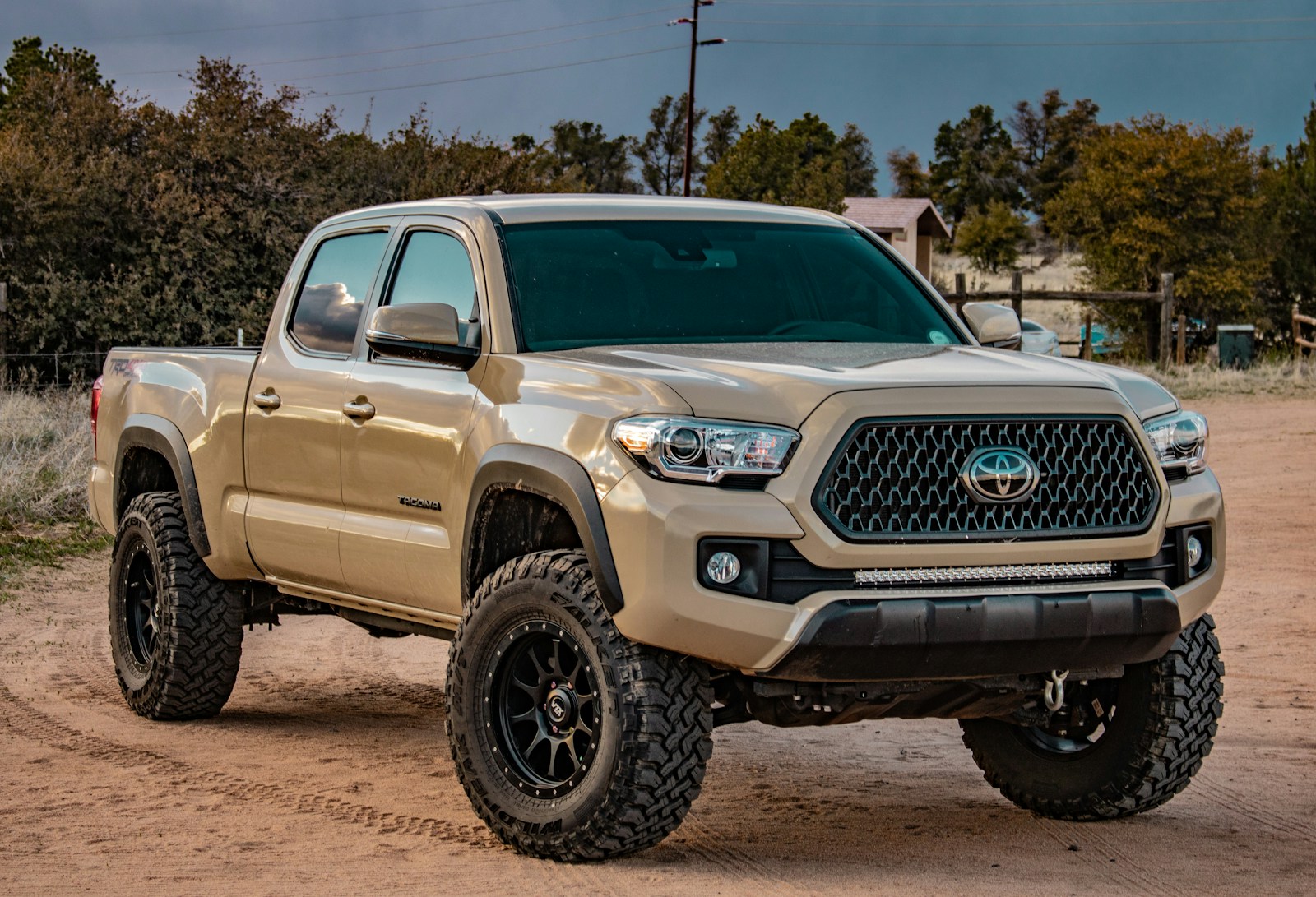

He bought the truck the way a lot of people buy trucks they can’t stop thinking about: half practical, half emotional, and fully convinced he’d “do it right.” It was a newer diesel—clean, expensive, still smelling like dealership detail spray—and he justified the payment by telling himself it was basically an investment. He hauled a small equipment trailer on weekends, commuted during the week, and liked knowing he had something stout under him.
The one thing he didn’t like was how it felt stock. The truck did everything it was supposed to do, but it didn’t feel the way the YouTube clips felt, and it didn’t pull the way the guys at the fuel island talked about. Somewhere between “this is fine” and “why does it feel choked,” the itch started: a little more power, a little better throttle, maybe even better mileage if you believed the right person on the right day.
And that’s where the stranger came in—some random username in a late-night thread, the kind of person who writes with total confidence and zero punctuation. The pitch was simple, almost soothing: delete the emissions equipment, run a tune, and the truck will wake up. He didn’t know this person, but the advice came packaged with screenshots, dyno numbers, and that irresistible vibe of someone who’s already done it and thinks anyone hesitant is overthinking.
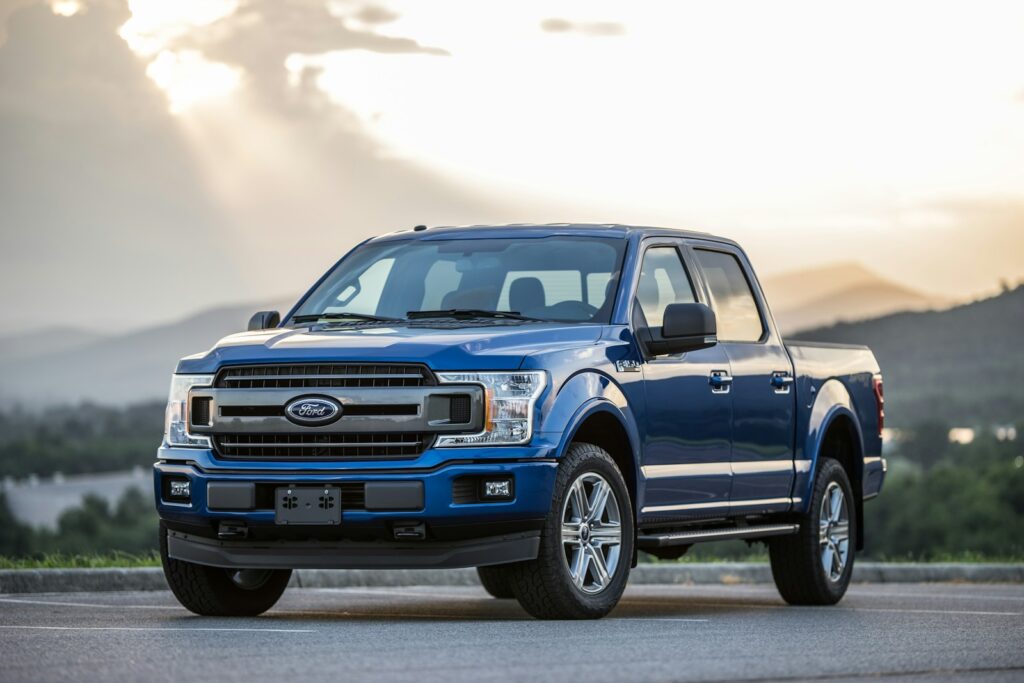
The Temptation: “They’re Just Choking It Out”
At first, he tried to do the “responsible” version of modding. He looked at mild tunes that claimed to stay within safe parameters and read the little warnings about warranty and “for off-road use only.” But the more he read, the more the conversation always drifted back to the same conclusion: the emissions stuff—DPF, EGR, sensors, the whole alphabet—was the bottleneck.
The stranger’s promise wasn’t just more horsepower. It was a whole lifestyle pitch: less regen, fewer clogged filters, smoother running, better mileage, longer engine life. The logic sounded clean if you didn’t stare at it too hard: remove the restrictions and the engine stops fighting itself.
He wasn’t naïve about legality, exactly. He just filed it under “everyone does it” and “I’m not rolling coal,” like those were magical phrases that made it all okay. The stranger kept repeating the same reassurance: the dealer won’t know unless you tell them, and even then, you can “put it back” if something happens.
So he started shopping like someone who’d already decided. A delete kit from one place, a tune from another, and a local shop that advertised the work with a kind of wink-wink language. He told himself it was basically preventative maintenance, only cooler.
The Delete: Money Spent, Confidence Gained
The day it happened, it felt like a ceremony. He dropped the truck off, signed the paperwork that was careful about what it didn’t say, and killed time scrolling through photos of other people’s engine bays—clean pipes, fewer parts, everything “simplified.” When the shop called, the guy on the phone sounded proud, like they’d performed surgery and the patient was already jogging.
Driving it home, he got exactly what he paid for: the throttle felt sharper, the torque hit earlier, and the truck sounded throatier without being obnoxious. He could feel it in the seat, and that sensation has a way of shutting down the part of your brain that asks boring questions. He messaged the stranger back with a quick update, and the stranger responded like a coach who’d just watched his rookie nail a play.
For a couple weeks, it was bliss. He found excuses to take the long way, to pass people he’d normally sit behind, to run the RPMs up a little higher than he used to. He started speaking in a new dialect—“it runs so much cleaner now,” “it’s not choking,” “I’m actually getting better mileage”—even if some of it was based on vibes more than measured reality.
Then the tiny signs started. A faint shudder under load. A weird hesitation that came and went. A smell after hard pulls that he couldn’t quite place. He noticed them, but the truck still felt strong, and it’s hard to worry about a problem while you’re actively enjoying the thing that allegedly solved your problems.
The Failure: When “More Power” Turns Into Silence
It didn’t explode in cinematic fashion. It was more insulting than dramatic: a sudden loss of power on a regular drive, the kind of moment where your foot is on the pedal and the truck responds like it’s thinking about it. A warning light flickered, then another, and the engine started making a sound that didn’t fit any normal category—too sharp to be exhaust, too rhythmic to be random.
He limped it to the shoulder and sat there with the hazards on, hands on the wheel, staring at the dash like it might explain itself if he waited. The truck idled rough for a minute, then stuttered and died. When he tried to restart it, it cranked in that dry, empty way that makes your stomach drop.
Tow truck rides have a special kind of quiet. He called the shop first—because of course he did—and the shop’s tone changed immediately from enthusiastic to cautious. They asked what tune he was running, whether he’d been towing heavy, if he’d noticed anything earlier, and then suggested he take it to a dealer “just to see what codes it threw.”
He told himself the dealer would treat it like any other breakdown. He also told himself—this part is important—that he could play dumb. He’d bought the truck with a warranty. This is literally what warranty is for.
The Dealer Visit: The Moment the Smile Disappears
At the service desk, he did the normal routine: described the symptoms, kept his voice calm, tried to sound like a reasonable adult who maintains his vehicle. The service advisor nodded, typed, and gave him the practiced smile that says, “We see this every day.” He signed the paperwork, got the keys to a loaner (or tried to), and waited for the call that would either be a quick fix or a mildly annoying delay.
The first call came faster than he expected, and it wasn’t good. The advisor asked him, politely, if any aftermarket work had been done to the emissions system. It wasn’t an accusation yet—it was framed like a question they ask everyone—but the timing gave it away.
He hesitated in exactly the wrong way. He tried to answer without really answering, something like, “Well, I’ve done a couple things,” the way people do when they’re hoping the other person will take the hint and move on. The advisor didn’t move on.
The second call was the tone shift. The advisor said they’d found evidence of an emissions delete and non-factory programming. He didn’t even need the words “ECU history” or “tamper flags” to understand what was happening; the guy sounded like he’d read this script before and knew the ending. Then came the line that landed like a dropped tool on a concrete floor: the warranty was void.
The Estimate: $22,000 and a Paper Trail
The number arrived almost casually, as if it were just another line item: $22,000 for the repair estimate. Not a negotiation point, not an opening offer, just what it would cost to put the truck back together the way the manufacturer required. It wasn’t one part, either—it was the kind of failure that sends debris where it shouldn’t go, the kind that turns an engine into a collection of expensive maybes.
He asked what exactly failed, because that’s what people ask when they’re trying to turn a catastrophe into something concrete. The dealer explained it in broad terms—internal damage, catastrophic enough that they weren’t going to gamble with piecemeal fixes. And then they circled back to the emissions delete like it was the headline, not the footnote.
He tried every angle. He asked if they could “goodwill” any of it. He asked if returning it to stock would help. He asked what, specifically, proved the tune was there. The answer stayed consistent: the truck’s systems showed it, the configuration didn’t match factory, and they weren’t authorized to pretend otherwise.
That’s when the real panic decisions started piling up. Pay the dealer and swallow the pain. Tow it out and find an independent shop willing to rebuild it cheaper. Fight with the manufacturer and hope someone up the chain takes mercy. Or call the shop that did the delete and see what they’d say now that the fun part was over.
He called the shop, and the conversation was exactly as slippery as you’d expect. They didn’t say, “Not our problem,” but they didn’t say, “We’ll make it right,” either. They asked for logs, asked what tune file, asked whether he “ran it hard,” and the subtext was clear: the moment it left their lot, it became his story.
And the stranger—the one who promised more power—was suddenly less available. The replies got slower, vaguer, more like someone trying to exit a conversation without being called out. The truck owner kept staring at that estimate, doing the math of what he still owed versus what the truck was worth as a dead weight, realizing the delete hadn’t just changed how it drove—it had changed what kind of help he was allowed to get.
He didn’t have a neat ending yet, just a truck sitting in dealer purgatory and a decision that felt like losing no matter which box he checked. The cruelest part was how normal everything looked from the outside: a clean diesel in the service lane, no smoke, no drama, just paperwork and a voided warranty stamp. All that confidence from a late-night stranger had turned into a $22,000 silence, and now he had to figure out whether to pay for the lesson or tow it home and live with it.
More from Steel Horse Rides: