

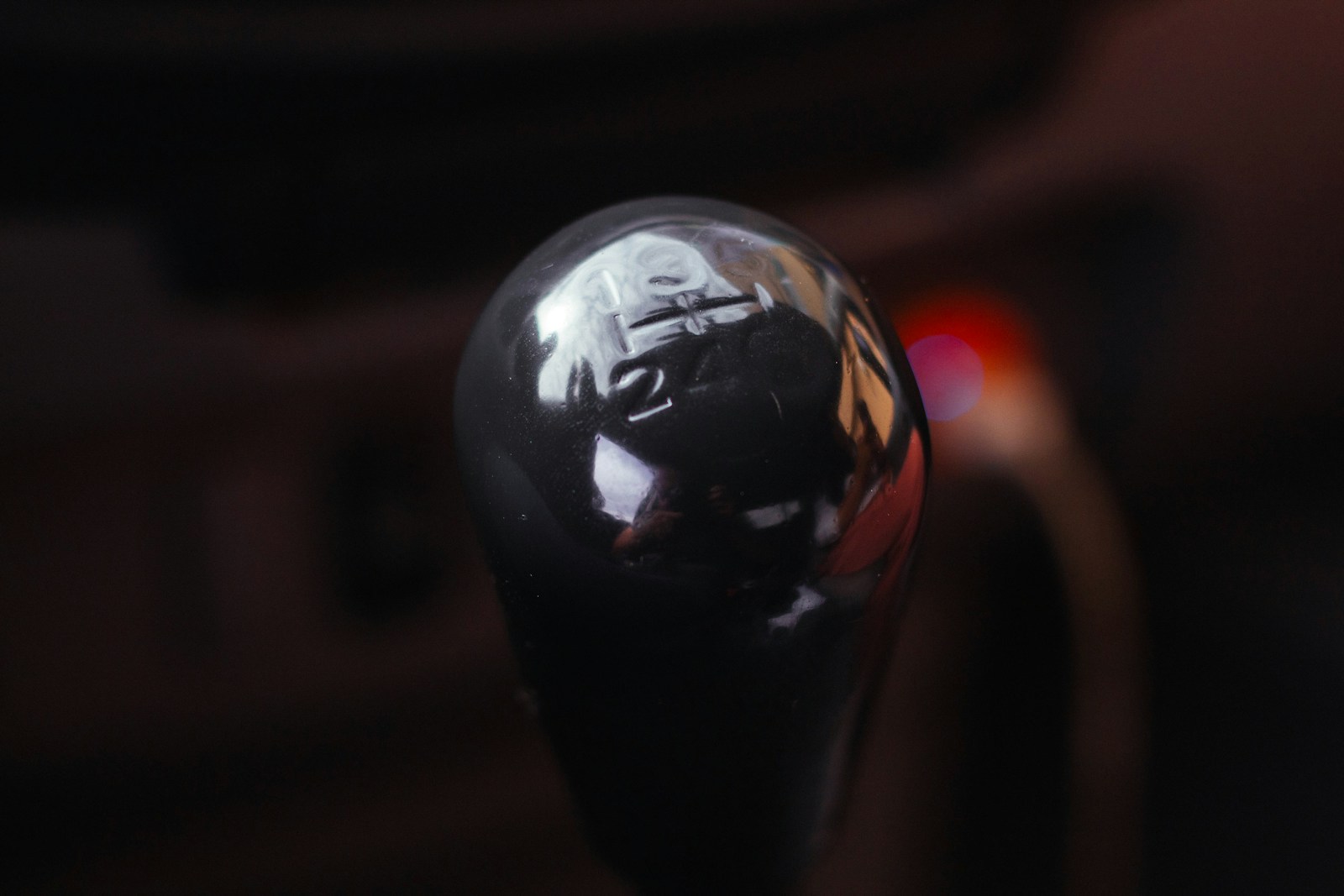
He bought the truck the way a lot of people buy trucks now: half practical, half ego, and entirely on a monthly payment that made him pretend he didn’t check the bank app anymore. It was a late-model half-ton with just enough options to feel “nice,” and just enough miles to make him tell himself it had already done its depreciating. The payoff number sat in his loan portal like a quiet threat, and he’d been counting down to the day he could stop treating the thing like a second rent.
The first slip showed up on a random Tuesday, pulling away from a stoplight. Nothing dramatic—just a soft flare in RPM, like the truck took a half-second to remember what gear it was supposed to be in. He noticed, frowned, and then did what most people do when a vehicle does something weird exactly once: he filed it under “maybe I imagined it” and turned the radio up.
But it didn’t stay a one-time thing. Over the next couple weeks it came back in little doses—an occasional hesitation into third, a lazy engagement when he backed out of the driveway, the faint sense that the transmission was thinking a little too hard. He started driving around it, feathering the throttle and avoiding quick merges, telling anyone who rode with him that it was “just how these six-speeds are” like he was defending a pet with a bad habit.
The Slip Becomes a Routine
His buddy who knew “a lot about trucks” asked if he’d checked the fluid, and that simple question turned into a whole performance. He’d pop the hood, wipe dust off plastic covers, then shrug like the whole thing was too modern to be understood. The truck didn’t have a dipstick, and that was enough to make him act like transmission fluid was a dealer-only mystery substance.
The truth was he didn’t want to know. Knowing meant scheduling something, paying a diagnostic fee, hearing a number out loud, and maybe dealing with a rental. So he did the cheaper, quieter thing: he adapted his life to the slip and called it managing.
At work he’d park farther out so he didn’t have to do tight low-speed maneuvers that made the shifts feel clunky. On the highway he’d keep it in the fat part of the torque so it didn’t hunt. And every time it did that little flare, he’d wait for it to catch and then exhale like he’d just dodged a ticket.
The One Hard Shift That Changed Everything
The night it went from “quirk” to “problem” wasn’t special at all. He was leaving a grocery store lot, late, tired, and irritated because he’d grabbed the wrong kind of coffee creamer and had to go back in. The truck had been doing fine all day, which is the worst kind of reassurance because it makes you sloppy.
He rolled up to a two-lane road with a short merge, saw a gap, and gave it a confident stab of throttle. The engine jumped, the truck surged, and then came a hard shift that felt less like a gear change and more like someone kicked the frame with steel-toe boots. There was a sharp bang, a lurch, and then a weird moment where the truck seemed to hesitate as if it wasn’t sure whether it still wanted to be a truck.
He backed out immediately, heart pounding, and tried easing forward again. This time it clunked into gear with a nasty shudder, and a warning flashed that made his stomach drop—something along the lines of “Transmission Hot” or “Service Transmission” depending on the exact flavor of his model. The truck moved, but it moved wrong, like it had suddenly gained ten years and a bad attitude.
“It Still Drives” Turns Into “It Barely Moves”
He did what you’d expect: he tried to baby it home. He kept the speed down, avoided stops, and nursed it like it was a wounded animal that might bolt if startled. Every shift was either delayed or violent, and the whole cabin had that faint hot smell that makes you think of overheated brakes and regret.
By the time he got into his neighborhood, it had started doing the thing that separates minor inconvenience from tow-truck territory. It would rev, pause, and then slam into gear like it was being forced. Pulling into his driveway took three tries because reverse didn’t want to engage without a tantrum.
He sat there in park with his hands on the wheel, listening to the cooling clicks, staring at the dash lights. The truck payment wasn’t even late, and already the truck was acting like it was done with the arrangement. He went inside and did the classic late-night search spiral: symptoms, forums, “transmission slip then hard shift,” all of it pointing in the same direction with different levels of doom.
The Shop Visit and the Number Nobody Wants
The next morning he called around, but every decent transmission place was booked out, and the dealership could “get him in” for a diagnostic—meaning they’d take the truck, keep it a day or two, and then hand him a quote like a ransom note. He chose a local shop with a solid reputation because it felt less like walking into an ambush. They told him to bring it in if he could, but the way he described the behavior made the guy pause and suggest a tow.
He ignored that suggestion because towing felt dramatic and expensive, and he still had that stubborn belief that the truck wasn’t allowed to die on him. He limped it there in the slow lane with the hazard lights on for the last mile, sweating every stop. The shop guy took one quick ride around the block, came back with a look that wasn’t quite sympathy and wasn’t quite “I told you so,” and said they needed to scan it and check line pressure.
When they called him later, they didn’t start with the price. They started with the tone—the careful, measured voice people use when they’re about to ruin your week. The transmission had been slipping long enough that the clutches were cooked, and the hard shift likely finished off something internal: a solenoid, a valve body issue, maybe worse, and the debris had been moving through places it shouldn’t.
The options were laid out in the way “options” get laid out when the situation is already ugly. Rebuild, replace with a reman unit, or gamble on partial repairs that could still end in a full replacement. And then came the number: the full fix was going to be more than what he still owed on the truck.
The Payoff Amount Becomes the Punchline
That’s the part that made him go quiet. The payoff amount had been his finish line, the thing he was grinding toward—just a few more payments and then he’d finally “own it,” finally have a vehicle without that background anxiety. Now the truck was asking for a repair bill bigger than the debt he’d been trying to escape.
He asked the shop guy if there was any world where it could be “just a sensor” or “just a fluid change,” and the shop guy didn’t laugh, which almost made it worse. He explained—politely, like he’d had this conversation a hundred times—that a slipping transmission isn’t a polite warning light. It’s friction material disappearing, it’s heat, it’s the system eating itself one delayed shift at a time until one day it stops pretending.
So the truck owner did the next thing people do when reality is expensive: he tried to negotiate with it emotionally. He asked about used transmissions, asked about warranties, asked if driving it “just a little longer” would be okay until he could move money around. The answer was basically no—every mile could turn “repairable” into “catastrophic” and increase the parts list.
He went back to the shop and looked at his own truck sitting there like it was innocent. The bed was clean, the paint still shined, the interior still smelled like the air freshener he kept buying to feel responsible. It looked like a truck that should be hauling and commuting, not sitting in a bay with a transmission pan full of glitter.
He started doing mental gymnastics out loud: maybe he could roll the repair into a loan, maybe he could trade it in “as-is,” maybe the dealership would offer something, maybe he could borrow a family car for a month. Every idea had a humiliating subheading—interest rates, negative equity, explaining to someone that the truck you’ve been bragging about is suddenly a financial sinkhole.
The thing that stuck with him wasn’t even the dollar amount, though that was brutal. It was realizing that he’d been paying for the illusion of reliability, and the moment the truck asked for real money, the whole arrangement got exposed. Now he’s stuck in that awkward space where the truck isn’t drivable enough to ignore but not dead enough to make the decision clean, and every day it sits there, the payoff amount feels less like freedom and more like a joke he told himself for months.