

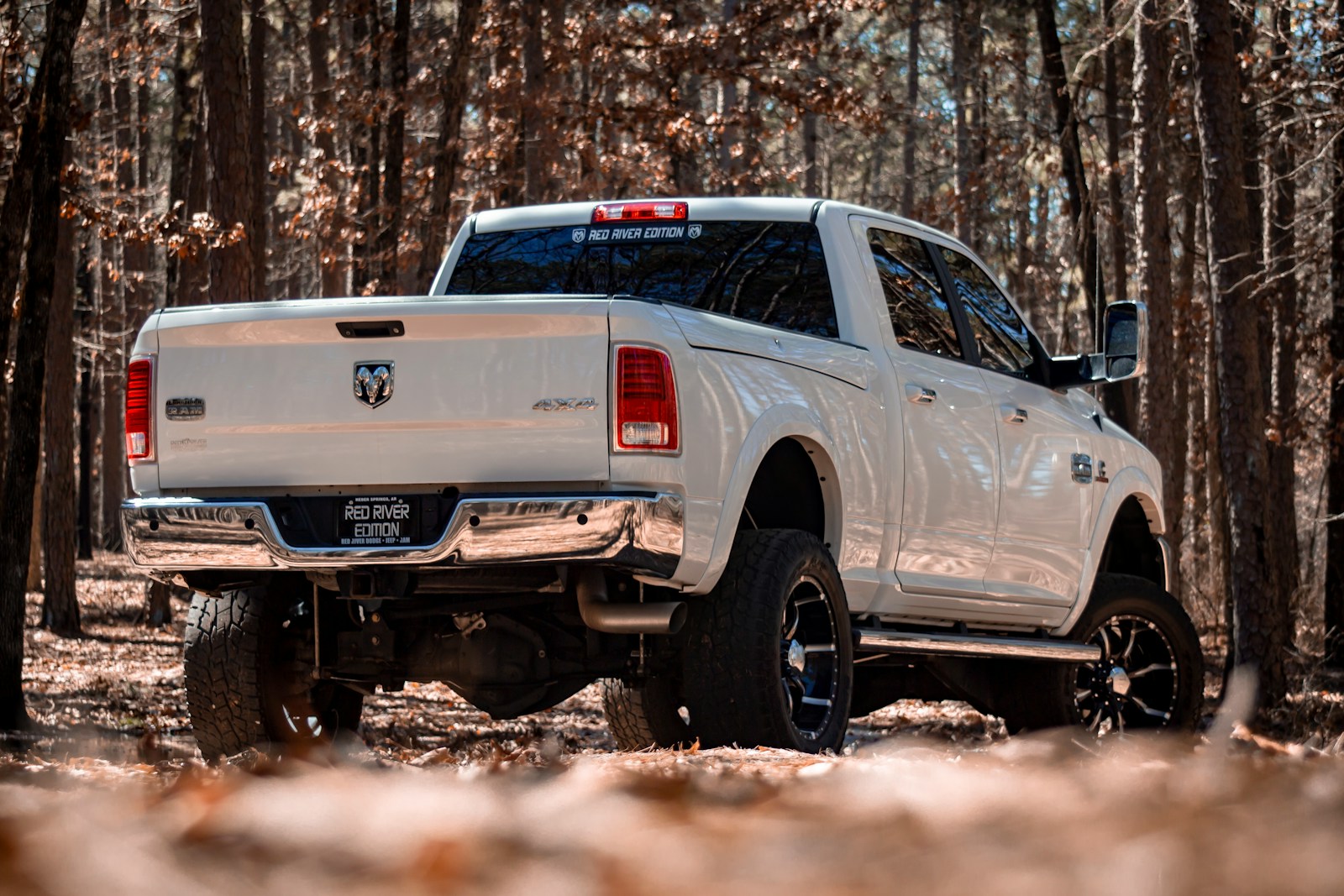
He’d been looking for a lifted truck the way some people look for a vacation: something he could justify as “practical” while knowing full well it was half want, half impulse. The dealership had exactly what he wanted sitting out front—big stance, aggressive tires, the kind of pickup that makes parking-lot puddles feel like terrain. The window sticker read like a promise, and the salesperson treated the lift like a feature, not a question mark.
The owner-to-be did what most normal people do when they’re excited: he asked just enough questions to feel responsible, then let himself get sold. Was the lift “done right”? The dealer said it was. Was it safe? Sure. Was it covered? The answer got a little mushier there, but the vibe was basically, “It’s a nice truck, don’t overthink it.” He signed the papers, drove it home, and for a few weeks he did that thing where you take the long way just to sit higher than everyone else at stoplights.
Then the truck started doing the opposite of what a lift is supposed to do: it started feeling unstable. Not “oh, big tires are a little floaty” unstable. More like, “Why does it clunk when I turn into my driveway, and why does the steering wheel feel like it’s negotiating with the front end?”
The Lifted Look, the Fine Print, and the First Red Flags
At first it was small stuff—an occasional pop when the suspension articulated, a faint vibration that showed up at highway speeds, a squeak that sounded like it lived somewhere behind the driver-side front wheel. The truck still looked great, still got compliments, still felt like a win. He told himself it was normal for a modified vehicle, the price of admission for looking like you could jump a curb without asking permission.
But the noises didn’t stay occasional. The clunk turned consistent, especially when braking or turning sharply, and the steering started to feel vague in a way that made him grip the wheel a little tighter. He crawled underneath one evening with a flashlight and a phone, doing the backyard diagnostic routine: stare, wiggle things, take pictures you don’t fully understand, and hope something obvious is hanging off.
Nothing was dramatically broken, but enough looked “off” to make his stomach sink. The angles didn’t seem right, a boot looked damp like it had been weeping grease, and one component had fresh-looking hardware like it had been swapped recently. That’s when he started thinking about what the salesperson had said—how confident it sounded, how little detail there actually was.
The Dealer’s Smile Fades the Moment It’s a Problem
He called the dealership, expecting the normal customer-service script: bring it in, we’ll take a look, we’ll figure out what’s going on. Instead, the tone shifted as soon as he mentioned the lift and the symptoms. The person on the phone got careful, asking whether the suspension was “aftermarket,” whether he’d changed anything, whether he’d been off-road.
He hadn’t changed anything. That was the whole point. This was the truck they sold him, sitting on the lift they advertised, with the tires they used to help close the deal. He reminded them of that, and you could practically hear the invisible hand reaching for a policy manual.
The dealer’s stance—at least as he described it—was basically: lifted parts aren’t part of the factory warranty, and the dealer isn’t responsible for third-party modifications. Which is a neat trick when the dealer is the one who sold you the truck already modified. He wasn’t even asking for free upgrades or a custom setup; he wanted it inspected and made safe, and he wanted the dealer to stand behind what they’d presented as a selling point.
They offered him an appointment, but not in a reassuring way. More like, “Sure, we can look at it, but if it’s the lift, you’re paying,” and they made it sound like the lift was automatically “the lift” regardless of what the actual issue was. He booked the appointment anyway because what else do you do when the front end of your expensive toy starts feeling like it’s coming apart?
The Inspection That Felt Like a Blame Game
When he brought it in, he expected at least a little curiosity from the service desk. Instead, he said it felt like walking into a courtroom where the verdict was already written. The service advisor asked a lot of questions that were less “tell me what you’re experiencing” and more “tell me how this is your fault.”
They kept circling back to whether he’d hit something, whether he’d towed beyond the rating, whether he’d taken it off-road. He said no—normal driving, commuting, errands, a couple highway trips. If anything, he’d been babying it because he liked it and didn’t want to mess it up.
The inspection itself didn’t take long, which didn’t comfort him. He waited in that weird showroom lounge where the coffee tastes like burnt plastic and every TV is tuned to something harmless. When they came back, the summary sounded like someone trying to describe a problem without owning it: worn components, stress on suspension geometry, things “not within spec.”
And then came the number. The dealer’s fix wasn’t a small alignment or a quick tightening. It was a list of parts and labor that added up to a bill big enough to make the truck feel less like a purchase and more like a recurring subscription. He asked the obvious question—how is this on him when they sold it like this?—and he said the answer boiled down to a shrug dressed up as policy.
“We Didn’t Install It” vs. “You Sold It to Me Like This”
The dealer’s escape hatch was that they hadn’t installed the lift themselves. According to them, it came to the lot that way—maybe as a trade-in, maybe from another dealer, maybe pre-owned inventory that someone had modified. To the truck owner, that distinction felt like wordplay, not reality. He didn’t buy it from “some guy”; he bought it from a dealership that represented it as a legitimate, roadworthy vehicle.
What made him angrier was how the lift had been framed during the sale. It wasn’t disclosed like a risk. It wasn’t positioned as “aftermarket, buyer beware.” It was positioned as a flex, a value-add, the thing that made this truck worth the price. Now, suddenly, it was an inconvenient mystery part that no one wanted to touch unless he opened his wallet.
He asked about any documentation on the lift kit—brand, installer, receipts, alignment sheets, anything. He said he got a lot of nothing. No clear paper trail, no “here’s the shop we use,” no “here’s the warranty card,” just the general implication that this was outside their responsibility. And if he wanted the truck fixed, he could pay their quote or take it somewhere else.
That “take it somewhere else” line hit hard because it shifted the entire burden onto him. If he took it to an independent shop and they found the suspension was unsafe, then what? He’d be paying to undo a problem he felt he’d been sold, with little leverage besides being loud and stubborn. And if the dealer’s inspection notes were vague on purpose, he couldn’t even use them as clean ammo for a complaint.
The Messy Next Steps and the Part Nobody Wants to Admit
He started doing what people do when they feel cornered: gathering receipts, writing down dates, pulling screenshots from the original listing, and taking pictures of everything underneath the truck. He looked up consumer protection rules in his state, the difference between “as-is” and implied roadworthiness, and whether a dealership can market a modified vehicle as a feature and then pretend it’s none of their business. The more he dug, the more it seemed like the answer depended on tiny details—paperwork language, what was stated verbally, what was in the listing, what he could prove.
In the meantime, he still had a truck that didn’t feel safe. Driving it became a constant calculation: keep speeds down, avoid potholes, take turns slowly, listen for new noises. Every clunk felt like a countdown, and every day he didn’t drive it felt like he was paying for something he couldn’t use.
He also had that particular kind of frustration that comes from being treated like a nuisance. Not scammed in a dramatic, obvious way—more like being sold confidence and then denied support the moment confidence required effort. The dealer didn’t have to admit wrongdoing to at least show some goodwill, but in his version of events, they chose the cleanest exit instead: deny responsibility, offer a pricey repair, and let him walk out feeling stupid for trusting them.
What he couldn’t get out of his head was how quickly the story changed depending on where he was standing. On the lot, the lift made the truck special. In the service bay, the lift made the truck his problem. And now he was stuck in that uncomfortable middle space where the truck still sat in his driveway, tall and good-looking, while the front end felt like a threat—like the whole thing was daring him to find out what “failing suspension” really means at 65 miles per hour.