
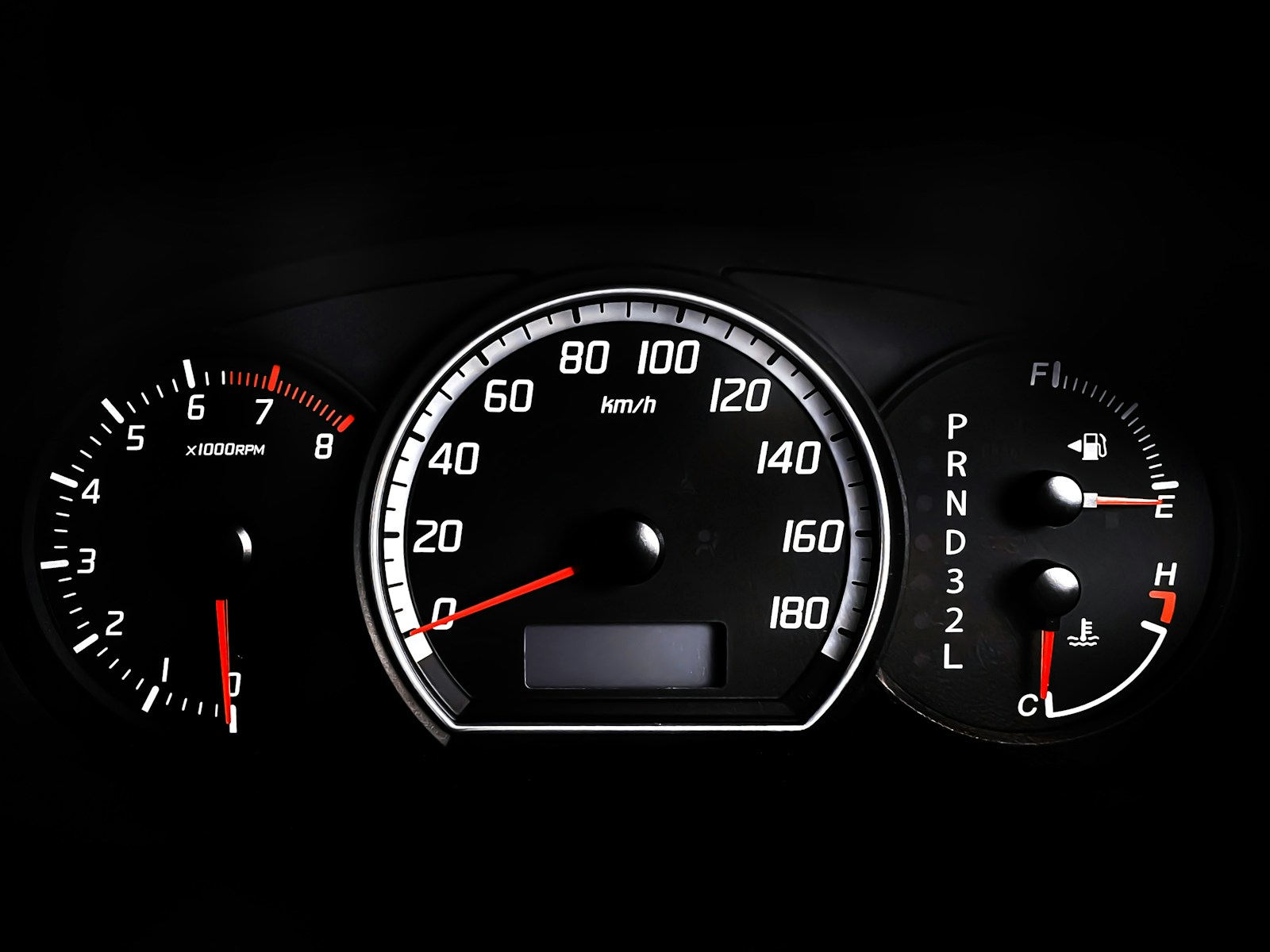

More than 450,000 vehicles are sold every year in the United States with false odometer readings, and the federal government’s own estimate puts the annual cost to car buyers at over $1 billion, according to the National Highway Traffic Safety Administration. That figure has held steady for years even as digital odometers replaced the old mechanical dials people assumed were harder to fool. The scam has simply moved with the technology, and the Justice Department is still prosecuting it on a regular basis, most recently against a used car operation in Illinois and a Mississippi ring that rolled back readings on hundreds of vehicles. Odometer fraud rarely makes headlines the way a recall does, but the dollar figure attached to it dwarfs plenty of scandals that get far more attention.

The Mechanism, Start to Finish
The scheme follows a predictable path in nearly every case the Justice Department has prosecuted. It starts at auction, where operators buy high-mileage vehicles cheaply precisely because the mileage is high. From there, the odometer gets rolled back, either through direct tampering with an analog dial or, on newer vehicles, by reprogramming the digital cluster with tools that can knock tens or hundreds of thousands of miles off the displayed number. In one federal case out of Mississippi, defendant Oscar Baine bought high-mileage vehicles from auctions, dealerships, and private sellers, then paid a co-defendant to alter the odometers at his Gulfport used car lot, with discrepancies on some vehicles exceeding 100,000 miles, according to the Department of Justice. At least 387 vehicles were rolled back between 2011 and 2014, and consumer losses in that single case topped $600,000.
The next step is paperwork. Rolled-back mileage has to match a title, so operators either falsify the title directly or move the vehicle through a state with looser verification before reselling it, a process sometimes called title washing. In a separate Illinois case, defendant Laith Ghzo rolled back readings on hundreds of vehicles and then submitted the falsified numbers to the Illinois Secretary of State to obtain what looked like clean titles, according to the Justice Department. From there the car reaches a dealer lot or a private buyer, priced as if it has tens of thousands fewer miles than it actually does, and the buyer pays a premium for mileage that never existed.
Who Actually Gets Hurt
The Justice Department has been blunt about who bears the cost. “Odometer fraud is a crime that predominately affects the economically vulnerable, who are simply looking for transportation to work or to school but who cannot afford to purchase a new car,” said Principal Deputy Assistant Attorney General Brian M. Boynton in the Illinois case announcement. Buyers on tighter budgets are more likely to be shopping in the higher-mileage segment where rollback fraud concentrates, which means the people least able to absorb a loss are the ones most exposed to it. A rolled-back vehicle also carries hidden mechanical risk: maintenance intervals get missed because the owner’s manual and the actual wear on the car no longer line up with what the dashboard says.
The Free Check That Catches Most of It
The single best defense against buying a rolled-back vehicle is also free. The National Motor Vehicle Title Information System, run by the Justice Department’s Bureau of Justice Assistance, lets consumers pull a vehicle’s title history, brand designations such as salvage or flood damage, and its most recently reported odometer reading, all sourced directly from state motor vehicle agencies, insurers, and salvage yards, according to NMVTIS. Running a VIN through that system before buying a used car, and cross-checking the number against maintenance records, inspection stickers, and past title paperwork, closes off most of the ways a rollback slips past a buyer. Tire wear and interior condition that don’t match the number on the dash are the low-tech tells that still catch scammers relying on paperwork alone. A car with a suspiciously low mileage claim and worn pedal rubber is telling a story the odometer isn’t.
Federal prosecutors keep bringing these cases because the fraud keeps happening, not because it has been solved. Until the reporting gap between states closes further, the burden of catching a rollback still falls mostly on the buyer running the free check before signing anything.