

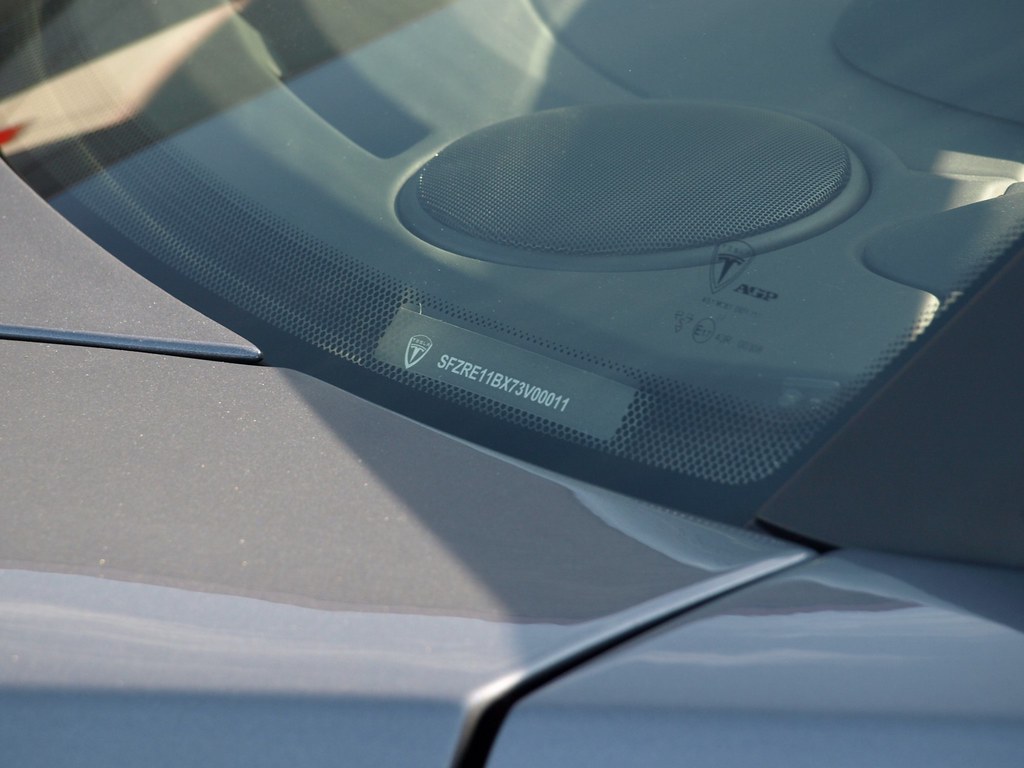
Anthony Callegari of Deltona, Florida, thought he’d found a deal: a 2017 Ford F-150 listed below market price on OfferUp. He paid $20,000 for it. When he tried to register the truck, investigators found something the seller never expected anyone to look for — multiple VIN plates stacked beneath the fake one riveted to the dashboard, according to the National Insurance Crime Bureau. The real VIN underneath belonged to an F-150 that had been reported stolen months earlier and already paid out as a total loss by an insurer. Police confiscated the truck as stolen property. Callegari, who financed the purchase to get his hands on a decent work vehicle, was left with a loan, no truck, and no legal path to get his money back.
This is VIN cloning, and it is one of the ugliest tricks in used-vehicle fraud precisely because it doesn’t feel like a scam while it’s happening. The truck looked real. The paperwork looked real. The price was low but not suspiciously low. And that’s the design.
How a Stolen Truck Gets a Legitimate Identity
VIN cloning works by taking the 17-digit vehicle identification number off a legally titled vehicle — usually the same make, model, and roughly the same year — and stamping or printing it onto a stolen vehicle’s plates and paperwork. Run that VIN through a basic lookup and it comes back clean, because you’re not checking the stolen truck. You’re checking the donor vehicle somewhere else in the country, often one that’s still being driven legally by its actual owner. NICB describes the practice bluntly: criminals copy identification numbers from legitimate vehicles and pair them with counterfeit VIN tags and forged titles to move stolen cars through legal-looking sales channels.
In Callegari’s case, the tell was physical, not digital. Whoever cloned the truck didn’t bother to remove the original VIN plate riveted to the dash — they just added a new fake one on top of it, a shortcut that’s more common than it should be. Investigators also found a GPS tracker hidden in the glove box along with a duplicate key fob, evidence NICB says suggests the seller intended to track the truck down and possibly reclaim it later using the spare key. That detail alone should tell you how organized this kind of fraud can get. It isn’t a guy panic-selling a car he stole on impulse. It’s a repeatable operation.
Why the Marketplace Listing Looked Clean
Peer-to-peer apps like OfferUp, Facebook Marketplace, and Craigslist don’t verify vehicle ownership or title authenticity before a listing goes live — that responsibility sits entirely with the buyer. A forged title with a cloned VIN will often pass a casual glance, and because the VIN itself traces back to a real, currently-titled vehicle, even a quick check can come back looking fine if you’re not comparing physical plate details against the paperwork in front of you. The scam doesn’t rely on the buyer being careless. It relies on the buyer doing exactly what a reasonable person would do — check the VIN — and getting a clean result because the wrong vehicle is attached to it.
What Actually Protects You Before You Pay
You have more leverage here than it feels like once you know what to look for. NICB recommends running the VIN through its free VINCheck tool, which flags vehicles reported stolen and not recovered, or branded salvage and flood-damaged — up to five free checks per day. But don’t stop at a database lookup. Physically inspect every place the VIN appears: the dashboard plate visible through the windshield, the driver’s-side door jamb sticker, the engine bay stamping, and the title itself. All four should match exactly. If the dashboard plate looks glued rather than riveted, has mismatched screw heads, or shows any sign of a plate underneath it, walk away. NICB also recommends a title search through your state’s motor vehicle agency before money changes hands, and flags a red one: a late-model vehicle selling with no lien holder on record, since most newer vehicles are still being financed.
Paying for an independent pre-purchase inspection, or asking your own insurer to inspect the vehicle before you commit, adds a layer scammers can’t fake, because it puts a set of trained eyes on the physical VIN plate rather than just the number typed into a form. It costs you time and maybe a hundred dollars. Compare that to what Callegari lost.
There’s No Recovery Once You’ve Paid
The hardest part of NICB’s warning isn’t the mechanics of the scam — it’s the aftermath. A cloned vehicle “is never legally yours, even if you paid for it,” NICB states plainly, because title to stolen property can’t legally pass to a buyer, no matter how much cash changed hands or how convincing the paperwork looked. Once law enforcement identifies the vehicle as stolen, it goes back to the rightful owner or the insurer that already paid the claim on it. The buyer is simply out the money, left to pursue the seller — who, by the time any of this surfaces, is usually long gone. Every protection here happens before the wire transfer, not after.