
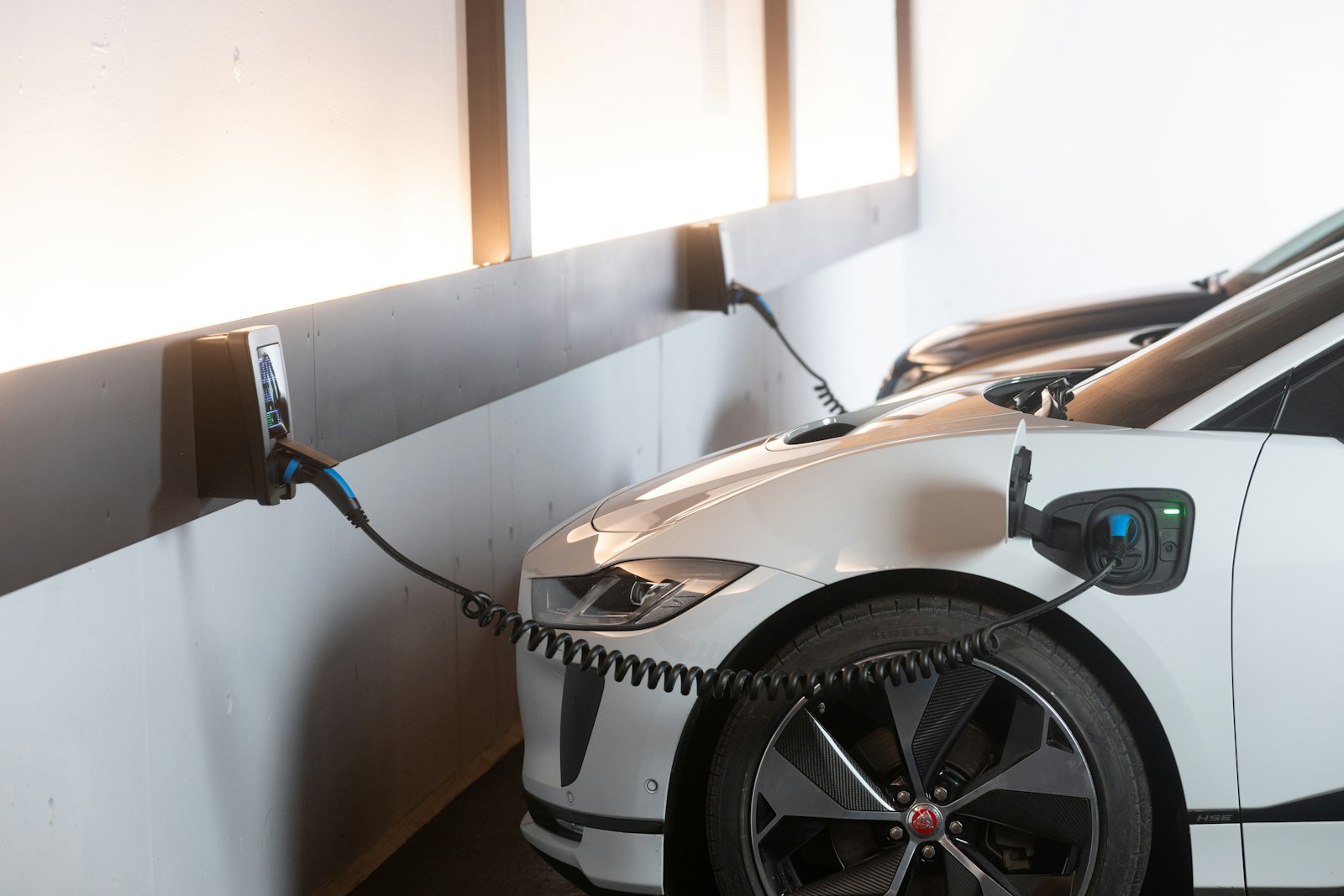

Two drivers can buy the exact same $35,000 car and still pay wildly different amounts to insure it, but two people buying two different $35,000 cars can see an even bigger gap, and that’s the one the industry explains far less often. The Insurance Information Institute says the cost of a car is “a major factor” in what it costs to insure, but far from the only one: engine size, the vehicle’s own safety record, how expensive it is to repair, and how often that specific model gets stolen all get weighed separately. The National Association of Insurance Commissioners adds a layer specific to electric vehicles, noting that EV batteries can represent up to half of a car’s total price tag and that “replacing an electric battery is cheaper than repairing one,” which is exactly why insurers price EVs the way they do. National average auto insurance expenditure hit $1,282 in 2023, according to the Insurance Information Institute, up 14 percent from the year before. That average hides an enormous amount of spread underneath it.
The Factors That Actually Move the Number
The Insurance Information Institute is explicit that a car’s color has nothing to do with what it costs to insure, debunking what it calls the “‘Arrest Me Red’ or ‘Hide In Plain Sight White’” myth directly in its own published material. What actually matters, per the Institute, is “car make, model, body type, engine size and the age of the vehicle, as well as the car’s sticker price, the cost to repair it, its overall safety record and the likelihood of theft.” Insurers also weigh how much damage a given vehicle can inflict on other cars and people in a crash, not just how well it protects its own occupants, a factor that pushes liability costs up on heavier, more powerful vehicles even when their own safety ratings are strong. None of that shows up on a window sticker, which is exactly why two cars with identical price tags can carry two very different monthly premiums. A compact sedan and a mid-size pickup that sold for the same $35,000 can carry different premiums for reasons that have nothing to do with either driver’s own record, simply because insurers are pricing the metal, not the buyer.
Why EVs and Sports Cars Get Punished the Hardest
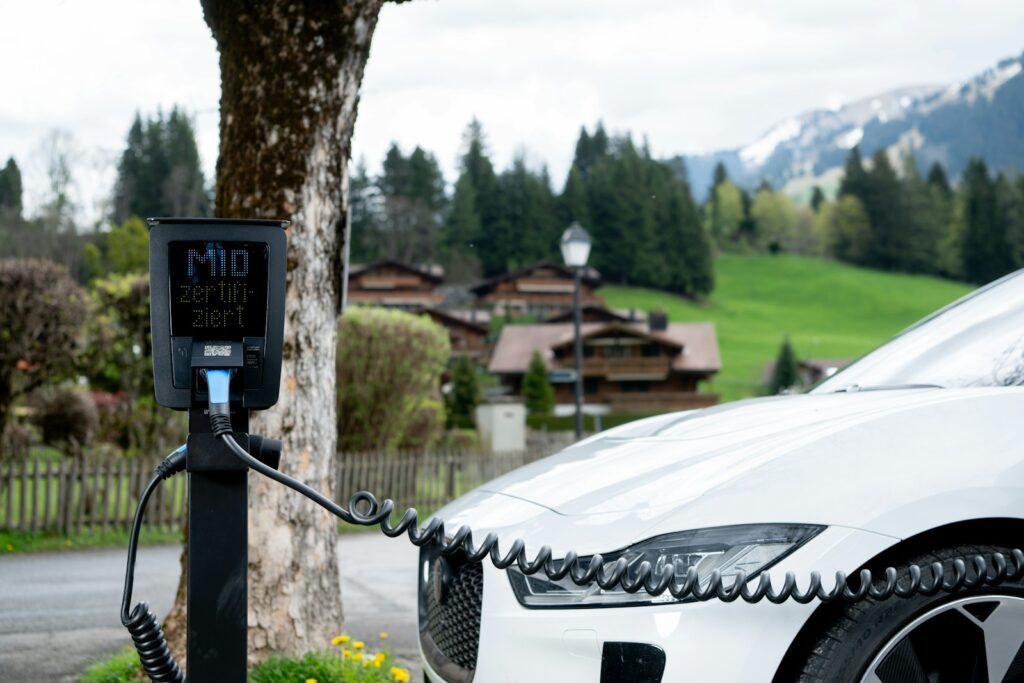
Electric vehicles run into a specific version of the repair-cost problem. The National Association of Insurance Commissioners notes that an EV’s battery can account for up to 50 percent of the car’s total price, and that when a battery is damaged, replacing it is typically cheaper for an insurer than actually repairing it, which pushes more claims toward total-loss territory than a comparable gas car would see. Add a still-developing parts market and a shortage of shops trained to work on high-voltage systems, and the Association points to EVs costing roughly $49 more per month to insure than comparable SUVs. Sports cars and muscle cars get hit by a different combination of the same underlying logic. Larger engines, higher performance ratings, and, per the Institute’s own framing, greater potential to cause damage in a crash all raise the risk profile insurers are pricing against, independent of what the car cost to buy. A 400-horsepower coupe and a family crossover selling for identical money are, from an underwriter’s chair, two completely different bets, and the premium is simply where that difference in risk finally becomes visible to the buyer.
The Geography Layer Sits on Top of the Vehicle Layer
Vehicle-specific pricing doesn’t happen in a vacuum. It stacks on top of geography that can already double what a driver pays before the make and model even enter the equation. The Institute’s 2023 data shows Florida drivers averaging $1,865 a year and Louisiana drivers averaging $1,754, against a national average of $1,282 and several states well below it. Layer a theft-prone or expensive-to-repair vehicle on top of a high-cost state, and the same car that’s a rounding error in one ZIP code becomes a real monthly expense in another. That’s the part shoppers tend to miss when they compare a sticker price across two vehicles and assume the insurance line will track it.
The purchase price on a car is only the entry fee. What an insurer actually charges is a bet on how expensive that specific vehicle is to fix, how likely it is to get stolen, and how much damage it can do to someone else, categories no window sticker anywhere discloses.