
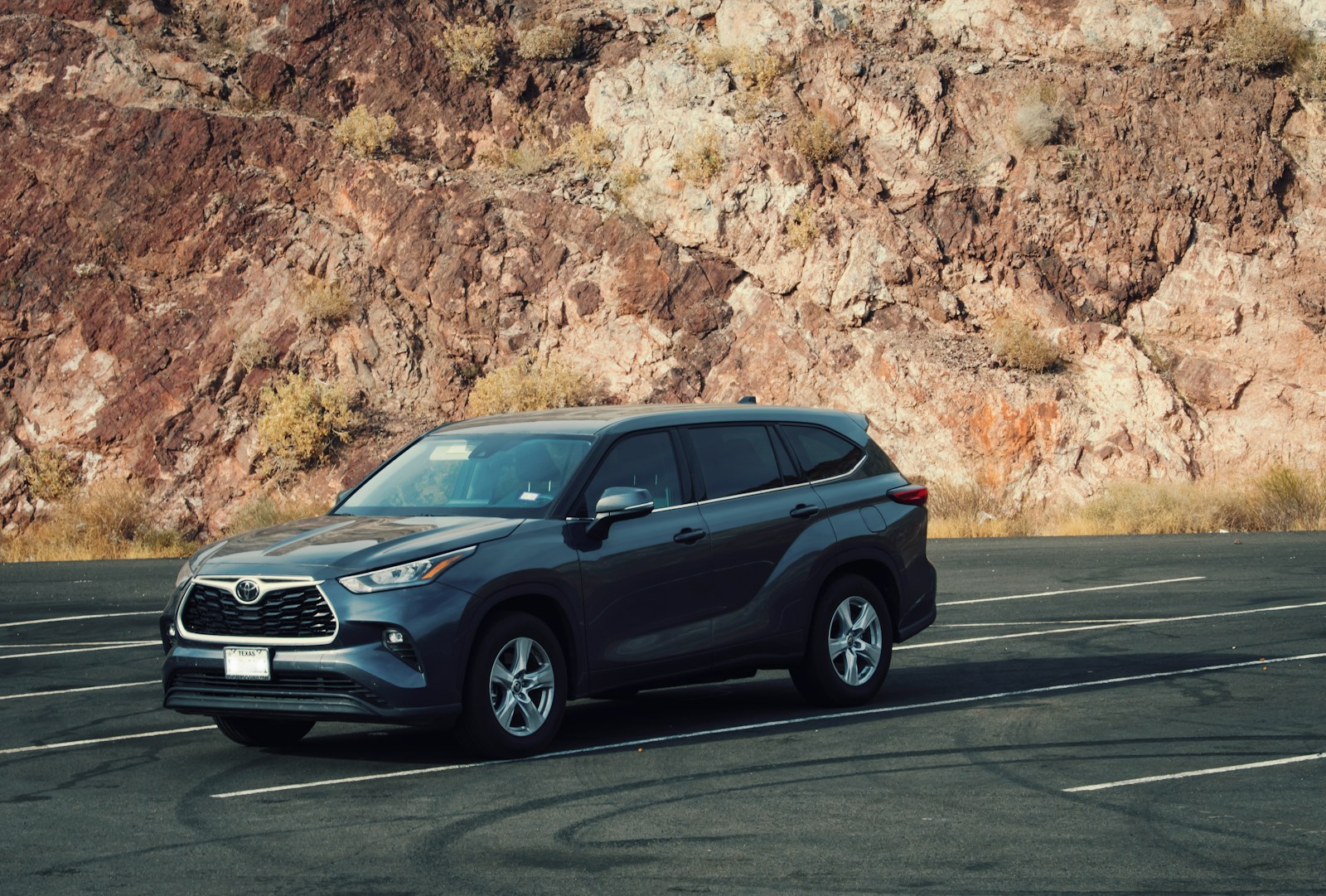

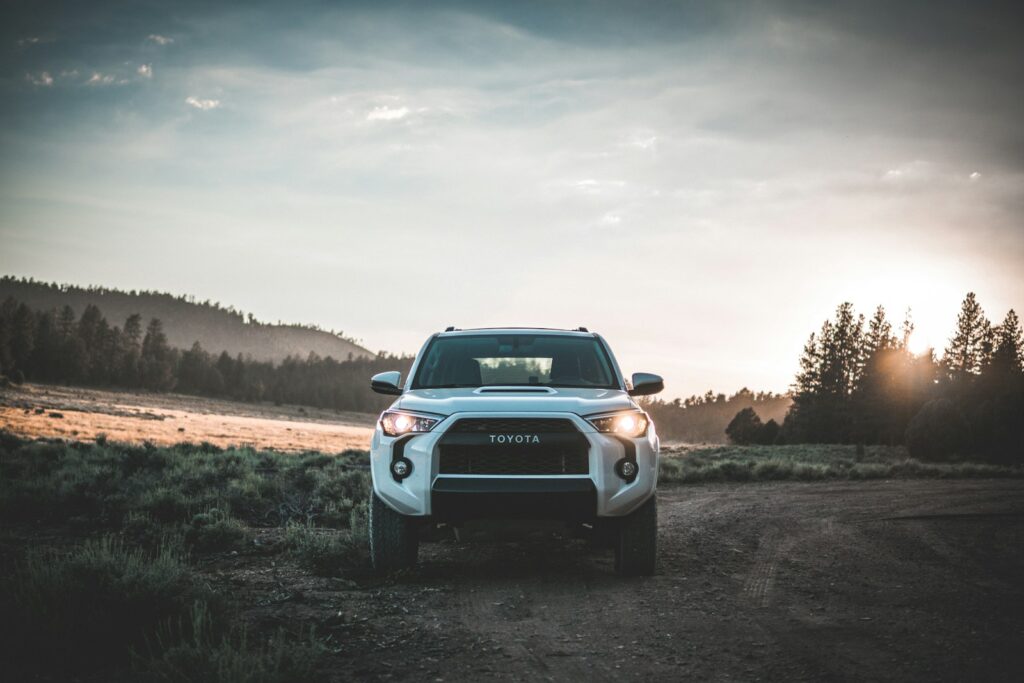
A Toyota 4Runner and a Toyota Highlander can sit two spots apart on the same dealer lot, wear nearly identical sticker prices, and still be rated to tow completely different loads. The 4Runner is cleared to pull up to 6,000 pounds, while the Highlander Hybrid maxes out at 3,500 pounds, according to Toyota’s own published towing figures compiled by TowingSpecs’ 2026 4Runner data and its 2026 Highlander breakdown. That 2,500-pound gap has nothing to do with horsepower or trim badges. It comes down to a structural decision buried under the floorboards that never shows up on the window sticker at all.
The Frame You Can’t See From the Showroom Floor
Body-on-frame construction bolts a separate cab and body onto a ladder-style steel frame, essentially two long rails connected by cross-members, the same basic architecture pickup trucks have used for decades. Unibody construction welds the body and structural frame into a single piece, the way most passenger cars have been built since the 1960s. As CARFAX’s breakdown of the two designs explains, that separate ladder frame gives body-on-frame vehicles a distinct advantage in towing and hauling because the frame itself absorbs the twisting and flexing loads rather than the passenger cabin.
The trade-off shows up the moment you stop hauling anything. CARFAX notes that unibody vehicles benefit from lighter overall weight, aluminum and high-strength steel construction that helps acceleration, cornering, and fuel economy, while the same rigidity that makes a body-on-frame chassis a good tow rig also produces what the site calls a noticeably harsher, less forgiving ride on pavement.
Why the Numbers Split So Sharply
Chevrolet’s own lineup makes the split even more obvious than Toyota’s. The body-on-frame Tahoe is rated to tow up to 8,400 pounds with its 5.3-liter V8, per towing specifications tracked across Tahoe model years, nearly double the 4,500 pounds Chevrolet rates for every trim of the unibody Blazer, according to the 2026 Blazer’s published towing capacity. Two SUVs, same brand, same general size class on paper, and one of them can pull nearly 4,000 pounds more before it even breaks a sweat.
That’s not a fluke of marketing. A ladder frame’s rails are engineered specifically to carry longitudinal load without transmitting the flex into the cabin, which is exactly what happens under a heavy trailer tongue weight. A unibody structure spreads that same stress through body panels and pillars that were designed primarily to protect occupants and keep the ride quiet, not to anchor a 8,000-pound travel trailer.
Off-Road, the Same Rigidity Pays Off Differently
On a rutted trail, a separate frame lets engineers design suspension geometry that allows one wheel to drop into a hole while the opposite wheel stays planted, because the frame underneath isn’t twisting along with the body panels. That wheel articulation is a big reason why body-on-frame platforms still dominate serious off-road nameplates. A unibody crossover can absolutely handle a gravel road or a snowy driveway, but the structure wasn’t built around the assumption that a wheel might spend part of its life hanging in open air over a boulder.
None of this means unibody construction is the lesser engineering choice. It’s simply optimized for a different job. Every unibody SUV sold today exists because most SUV buyers spend their time on pavement, hauling kids and groceries rather than boats and travel trailers, and a lighter, quieter, more fuel-efficient structure serves that buyer better than a truck frame ever could.
What Actually Changes Once You’re Behind the Wheel
For a shopper cross-referencing two SUVs that look similar in photos, the practical question isn’t which construction method is superior. It’s which one matches what you actually plan to do with the vehicle. Someone towing a boat, a car trailer, or anything approaching the weight of a small camper needs to know whether the number on the spec sheet reflects a frame built for that job or a unibody rated conservatively to protect the structure underneath it. Someone who never plans to tow anything heavier than a bike rack is paying, in ride comfort and fuel economy, for capability they’ll never use if they default to the body-on-frame option out of habit.
The window sticker will never say “ladder frame” or “unibody” anywhere on it. The towing and payload numbers a few lines down, though, are telling you exactly that story, and once you know to look for the gap, it’s hard to shop for an SUV the same way again.