
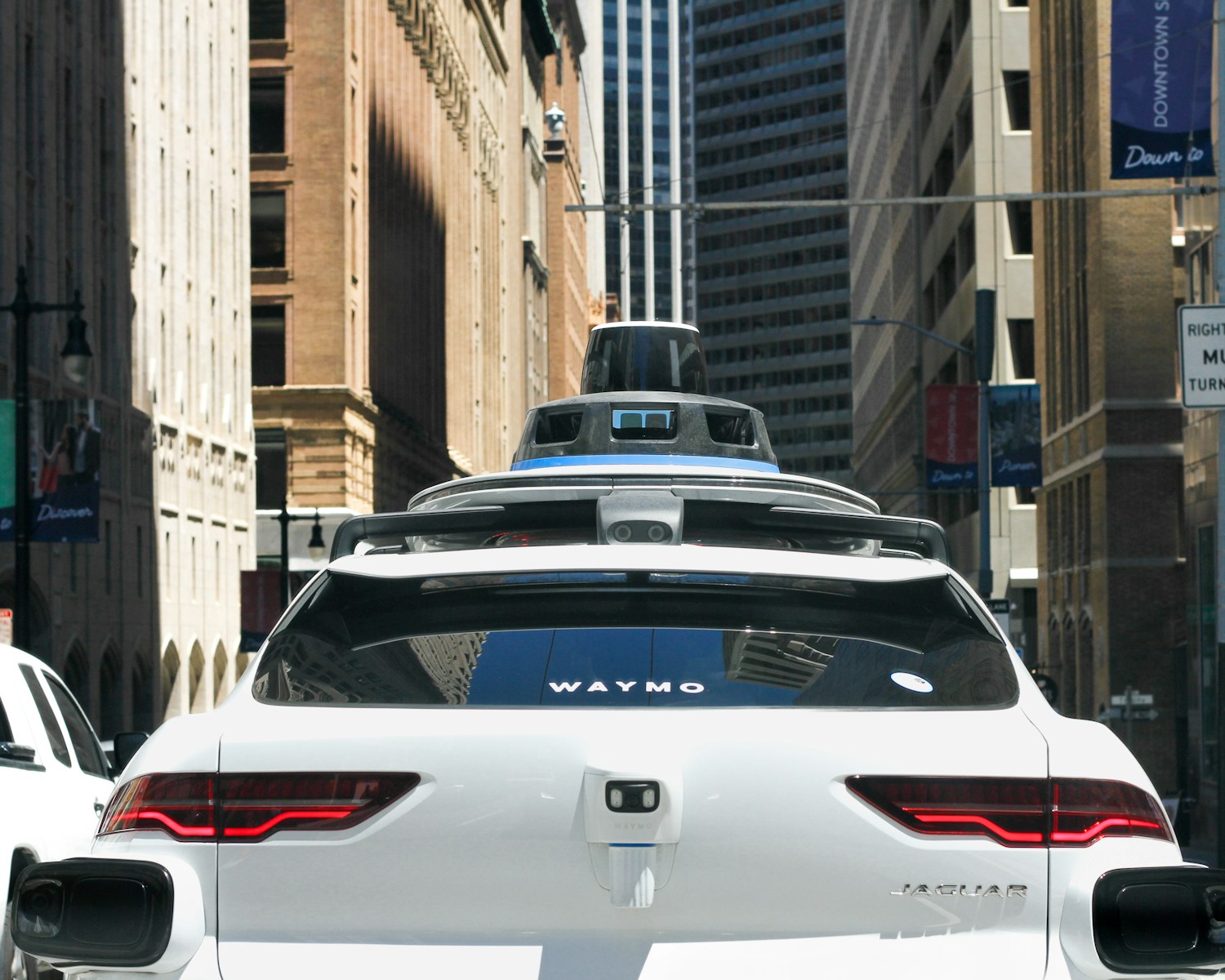

Waymo and Amazon’s Zoox both pushed their driverless taxi fleets into new American cities within days of each other this month, with Waymo opening paid rides in Denver, San Diego and Tampa on September 1 and Zoox confirming it’s bringing service to Houston while returning to San Diego, according to Waymo’s own newsroom and a Reuters report. The timing is pointed: two days after Waymo’s launch, federal safety regulators opened a formal review of a rival robotaxi program that beat both of them onto public streets.
Waymo’s expansion pushes the Alphabet-owned company to 14 U.S. cities running fully driverless, paid rides, up from just a handful three years ago. The company says its vehicles have been involved in 94% fewer serious-injury-or-worse crashes than human drivers, a figure it has published as it leans on safety data to justify faster geographic growth, per Waymo’s blog post announcing the Denver, San Diego and Tampa launches.
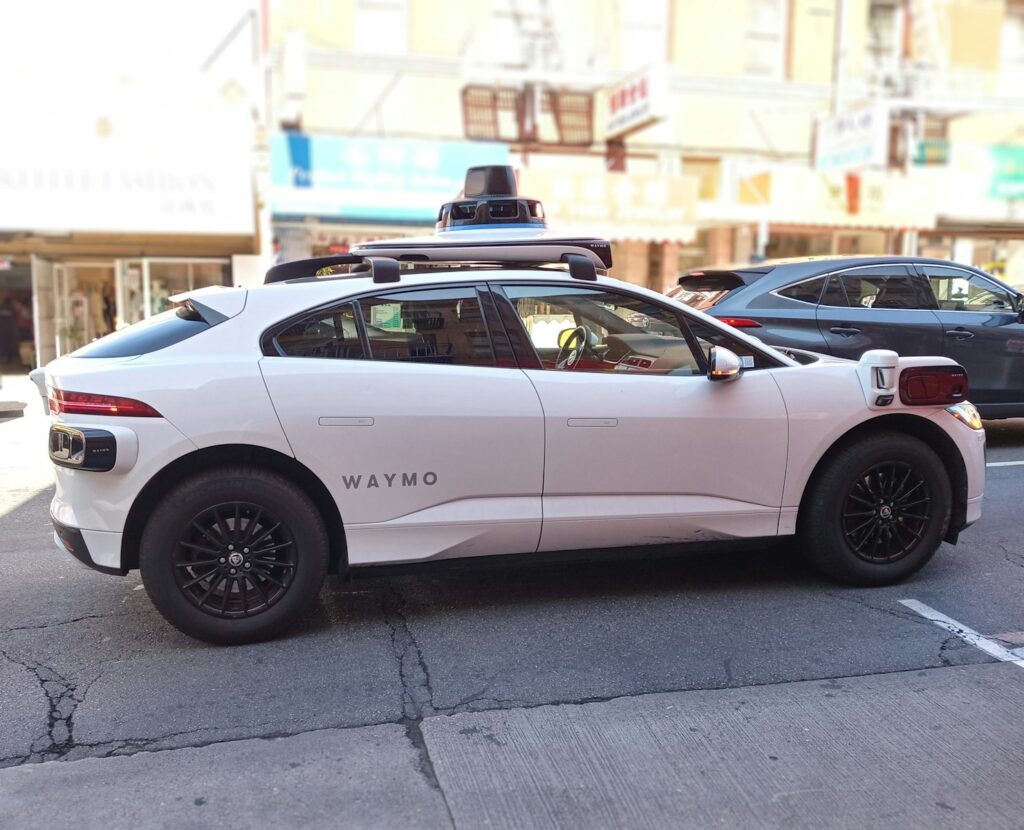
Zoox, which Amazon acquired in 2020, is taking a more cautious rollout path in its newest markets. Per Reuters, the company will start Houston and San Diego service with retrofitted test vehicles driven manually to map streets before its purpose-built, steering-wheel-free robotaxi takes over. Zoox already runs free rides in Las Vegas, San Francisco, Austin and Miami, and began charging fares in Las Vegas in August, bringing its total footprint to 12 metro locations.
Key Points
- Waymo now operates paid, fully autonomous rides in 14 U.S. cities after adding Denver, San Diego and Tampa on September 1.
- Zoox is expanding into Houston and back into San Diego, growing its footprint to 12 locations, but is still awaiting regulatory clearance to charge fares in most of them.
- Two days after Waymo’s launch, the National Highway Traffic Safety Administration opened Open Audit Query AQ26002 into Tesla’s Cybercab, the same week it debuted commercial passenger rides in Austin.
That NHTSA action is the clearest sign the industry is outrunning its regulators. The agency is scrutinizing “the process and technical data on which Tesla relied when certifying the Cybercab,” specifically how Tesla decided that federal motor vehicle safety standards written for cars with steering wheels, pedals and mirrors don’t apply to one that has none, according to Electrek’s reporting on the audit query. Because NHTSA relies on manufacturer self-certification rather than pre-approval, Tesla was free to put Cybercab passengers on public roads in Austin before the agency finished asking questions.
Waymo and Zoox aren’t facing an equivalent audit yet, but both are leaning into the same fundamental bet Tesla made: that expanding the service map faster than any single city or state can write new rules is itself a competitive advantage. With three companies now running or launching paid autonomous rides in double-digit metro areas simultaneously, the patchwork of state-by-state permitting that has governed robotaxis so far looks increasingly out of step with how fast the vehicles are actually multiplying on American streets.