

Two Silverado owners can both say they got rid of AFM. One of them is driving a truck that will run past 300,000 miles. The other is sitting on a ticking time bomb.
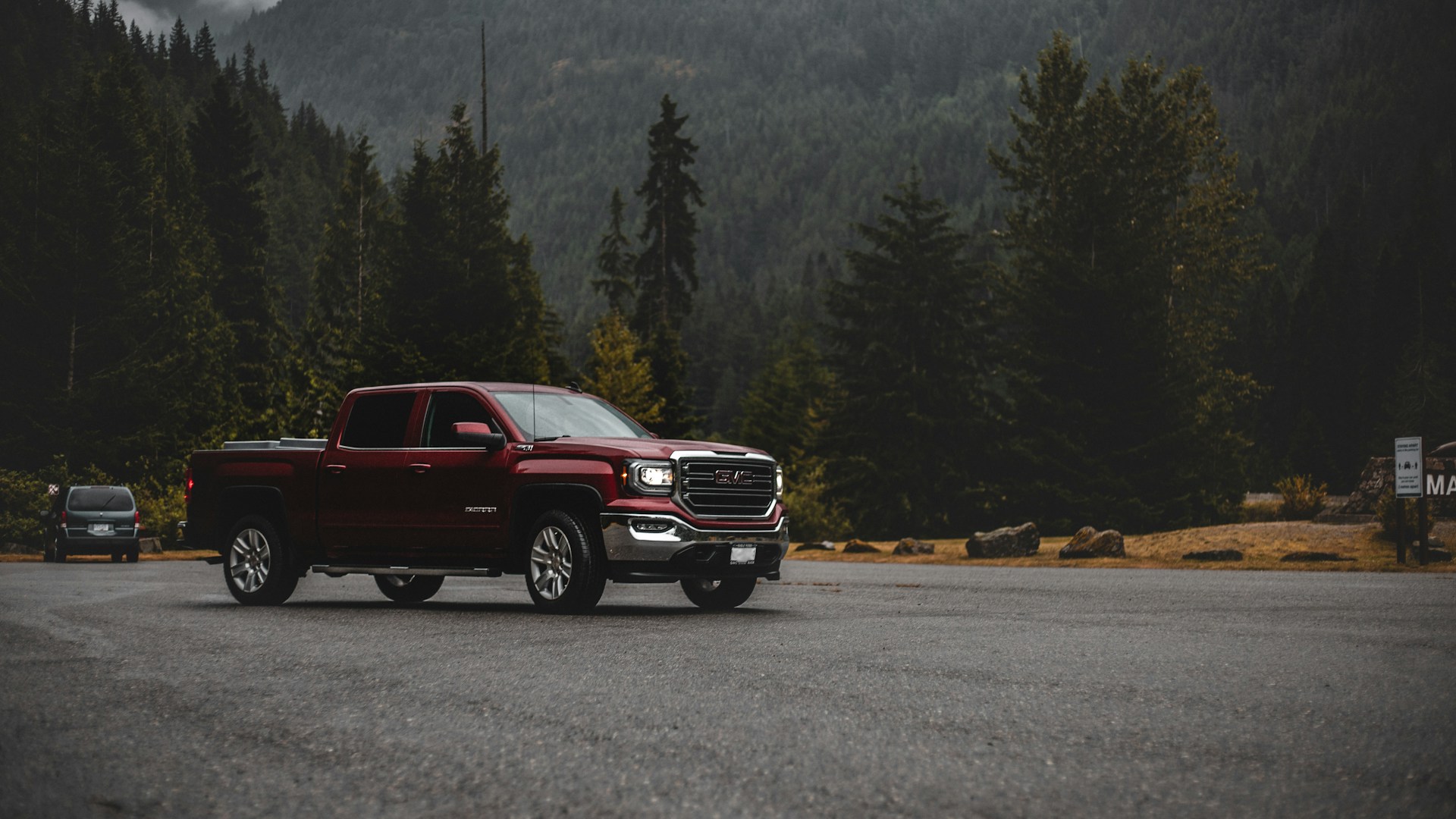
According to a mechanic with 23 years in the business who runs the Vital Chevy channel, the difference comes down to one word: disabled versus deleted. Most owners, he says, learn it the day a lifter collapses or the day they try to sell.
His breakdown covers what each option does, what it costs and which one a truck owner actually needs.
GM Built AFM To Hit Fuel Economy Targets, Not Because Your Engine Needed It
AFM stands for active fuel management, General Motors’ cylinder deactivation system. It first showed up on the 5.3L V8 in the mid 2000s and became common in the Silverado around the 2007 model year.
At light load on the highway, the engine shuts off four of its eight cylinders, usually numbers 1, 4, 6 and 7, and runs as a V4. GM later put the system on the 6.2L V8 and the 4.3L V6, and from 2019 it evolved into dynamic fuel management, which can run a range of cylinder patterns instead of just two modes.
He puts the motive plainly. Federal fuel economy and emissions targets pushed every automaker to squeeze out every last tenth of a mile per gallon, and shutting cylinders off was a cheap way to do it.
Eight Special Lifters Are Why Mechanics Keep Seeing Ticking Silverados
On a normal engine, each valve lifter is a solid piece riding on the camshaft lobe. On an AFM engine, the lifters for eight of the valves, two for each deactivating cylinder, have an internal locking pin and a two-piece body.
Oil pressure reaches them through the lifter oil manifold in the valley of the engine, which holds four solenoids. When the computer wants V4 mode, the solenoids fire, the pins release and the lifters collapse so those valves stay closed while the cam keeps spinning.
That is a lot of moving parts doing a job a plain lifter does with none. He says mechanics see failed AFM lifters constantly, with a ticking or knocking sound, a P0300 or single cylinder misfire code and sometimes a flashing check engine light. Drive long enough on a failed lifter and it can wipe out a cam lobe, which means a camshaft and all 16 lifters instead of one part.
A $100 To $250 Plug-In Gadget Will Not Fix A Lifter That Already Failed
He tells of a customer with a 2012 Silverado 1500 and about 140,000 miles who came in with a tick. A buddy had told him to plug in an AFM disabler and be done. On the lift, the mechanic pulled the valve cover and found a lifter that had already damaged its cam lobe.
“Disabling AFM does not repair anything,” he says. It only stops the system from being used. All the hardware stays in the engine, including the special lifters, the lifter oil manifold and the original camshaft.
Disabling comes two ways. A plug-in module on the OBD2 port under the dash keeps the engine in eight cylinder mode and generally costs somewhere between $100 and $250. A custom tune on a platform like HP Tuners or EFI Live edits the calibration itself and usually runs a few hundred dollars with the interface and the tuner’s work.
A Real Delete Costs $2,500 To $5,000 And Means Pulling The Engine Apart
A delete is a completely different job. The AFM lifters are replaced with standard lifters, the camshaft is swapped for a non-AFM cam, and the lifter oil manifold is removed and replaced with a standard valley cover. Most kits also include lifter guides, a timing set and sometimes pushrods.
The truck then still needs a tune. If the computer keeps trying to command solenoids that are gone, you get fault codes such as P3497 and P3499, which show up when a delete is done halfway.
Parts alone commonly land between about $1,000 and $2,000. Labor runs roughly 12 to 20 hours, so parts, labor and tuning typically total about $2,500 to $5,000. His shop tells customers already opening the engine that the delete often costs only a little more than putting AFM parts back in.
The Truck With A Disabler Can Still Have The Same Weak Lifters Inside
Here is the part he says owners discover too late. A disabled truck still has the original AFM lifters, with the same roller, pin and two-piece body that can wear. Disabling removes the repeated collapse and relock cycle, which many mechanics believe is a major source of stress, and plenty of disabled trucks have gone a long way.
But if the lifters were already worn or the engine ran dirty oil for years, disabling afterward will not bring them back. A deleted engine has no AFM lifters at all, so the most common failure point is gone and the valvetrain returns to the proven non-AFM small block design GM built for decades.
A delete done wrong is worse than nothing. He has pulled apart driveway deletes done in a weekend with the wrong gaskets and no torque wrench, and the owner paid twice.
His 2015 Silverado Customer Proves The Cheap Route Works On A Healthy Truck
He also tells of a woman with a 2015 Silverado who pulled a travel trailer. She ran a disabler for two years and was careful about oil. At 160,000 miles the lifters and cam looked clean, and that truck is still on the road.
So he is not calling the plug-in route a mistake. He says it works best on a healthy engine, and it is not a repair.
Check For Trouble Before You Spend A Dime
- Listen for a tick that follows engine speed or gets worse over time.
- Scan for codes, since a misfire on one of the four deactivating cylinders is the classic sign of a failing AFM lifter.
- Watch oil use. A truck burning a quart every 1,000 miles or less is in danger, because low oil is one of the fastest ways to kill a lifter.
- If unsure, pay a shop to pull a valve cover and inspect the lifters and cam lobes.
Law, Warranty And Resale Can Bite After The Work Is Done
He says federal law prohibits tampering with emissions related equipment on road vehicles, and cylinder deactivation is part of how the engine is certified. In states with emissions inspections, especially California, an unapproved disabler or modified calibration can fail a test. He adds that he is a mechanic, not a lawyer, so check your state’s rules.
On warranty, a dealer generally cannot deny an entire claim just because of an aftermarket part and must show the modification caused the failure, but he says owners with a disabler and a failed lifter have lost that argument. If the truck is still under GM’s typical 5 year or 60,000 mile powertrain coverage, he usually advises leaving it alone.
Save your stock tune file before any change, and keep every receipt, kit part number and tune file. A deleted truck with paperwork, he says, is an easier sale than a mystery truck with a dongle in the port. Fuel economy typically drops about 1 to 2 mpg, and oil quality, with a Dexos approved oil and honest change intervals, matters most of all.