

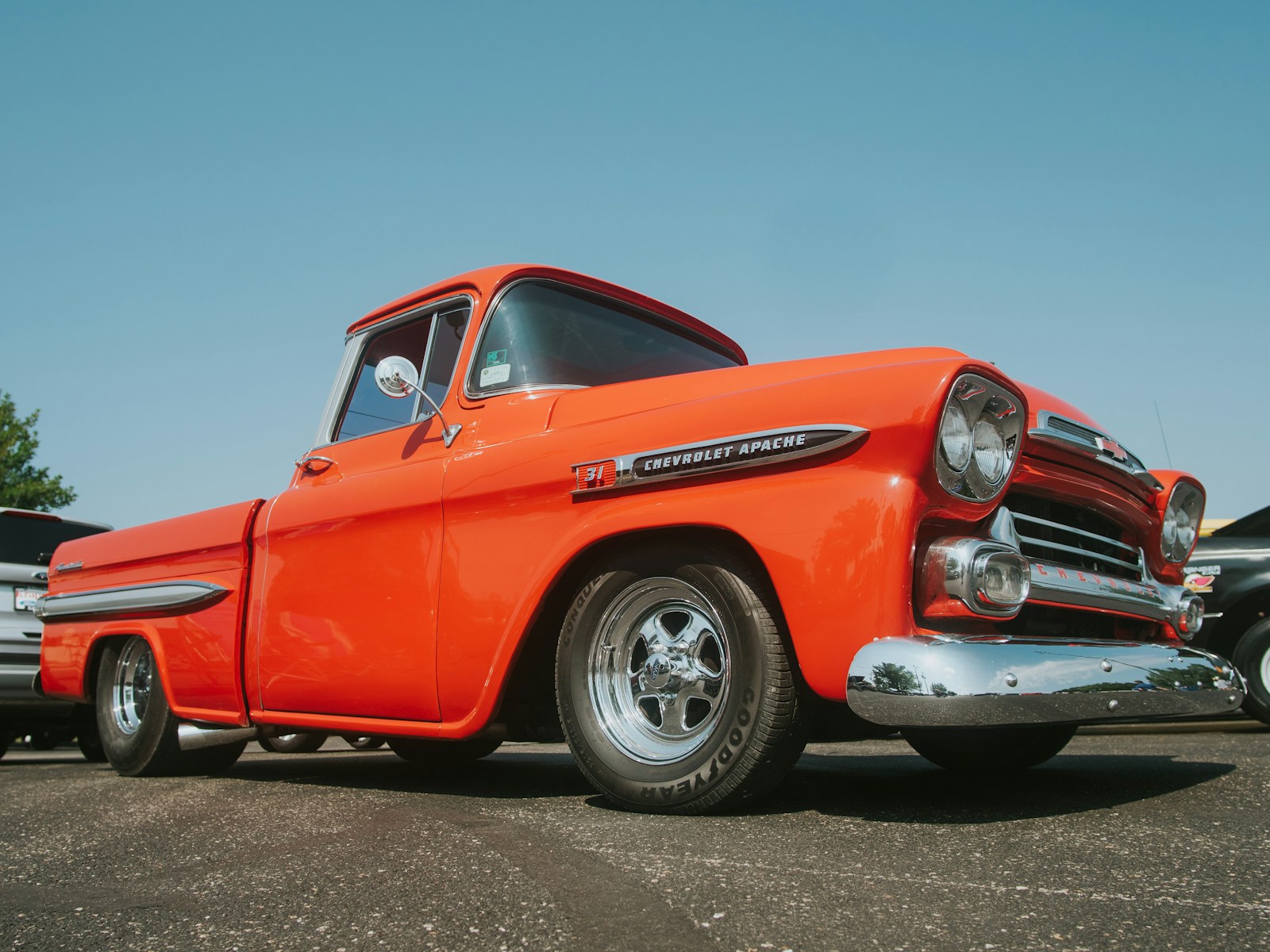
When his brother died, the family’s attention went where you’d expect: funeral arrangements, food trains, phone calls that felt impossible to answer, and the weird administrative haze that settles over a house after someone’s gone. Somewhere in the middle of all that, there was the truck. A classic pickup that the late brother had babied for years, the kind he washed by hand and parked like it mattered.
The truck wasn’t just an object, either. It was the last “someday” project, the thing he used to bargain with himself—one more part, one more tune-up, then he’d take it to the lake. Everyone in the family knew it, because he talked about it constantly. And because he talked about it constantly, everyone also knew who he wanted it to go to: his kid.
That’s what made it feel so off when the uncle—his older brother—offered to “take the truck for safekeeping” the day before the funeral. He said it like it was obvious, like it would be irresponsible to leave a collectible truck sitting in the driveway while the family was distracted. He showed up with a flatbed and a confidence that made people too tired to argue.
“Just until things settle down”
The immediate family didn’t have the bandwidth to fight about a vehicle while they were picking flowers and trying to find a suit that still fit. The uncle framed it as a favor, and favors are hard to swat away when you’re grieving. He told them he had space in his garage, security cameras, and a buddy who “knows classics” if anything needed to be looked over.
He also made a point of being helpful in other ways—picking up relatives from the airport, handling a couple phone calls, doing the whole “I’ll take care of it” routine. It wasn’t cartoonish. It was the exact kind of competence that makes people exhale and say, fine, one less thing.
There was one small moment that landed weirdly, though. The uncle asked where the title was kept and whether the late brother had a spare key. Someone answered because it didn’t feel like a trap at the time; it felt like the kind of question you’d ask if you were, you know, safeguarding a truck. The title was in a file cabinet with other documents, the key was in a kitchen drawer, and the uncle nodded like he was mentally checking boxes.
The paperwork fog, and the missing truck
After the funeral, the family entered the part that no one prepares you for: the weeks of paperwork and slow realization that grief doesn’t stay in the emotional lane. Bills arrived. Accounts needed closing. Someone had to locate passwords and death certificates, and every task came with a fresh little punch of finality.
The truck, meanwhile, became one of those “we’ll deal with it soon” items. The kid mentioned it a couple times—quietly, like asking would sound greedy. The surviving spouse said the uncle had it safe, and that they’d sort everything out once the estate stuff started moving.
Then someone went to check on it, just to see it, and the uncle was… slippery. He wasn’t openly refusing. He just kept delaying, saying the garage was packed, the battery was being trickle-charged, he’d just waxed it and didn’t want fingerprints, things like that. The kind of excuses that sound reasonable individually, but start to feel strange when you stack them up.
A few days later, the spouse happened to mention the truck at work, and a coworker did the classic small-town thing: “Oh, I saw that model listed online recently. Beautiful condition.” The spouse laughed at first, because what are the odds? Then the coworker pulled up the listing on their phone, and there it was—the exact truck, down to a custom scratch on the tailgate and the vintage plate frame.
“It’s sold. It was mine to handle.”
When confronted, the uncle didn’t even pretend he didn’t know what they were talking about. He went straight to defensive justification, which is always a tell. He said the late brother had “mentioned” selling it, that the family needed money, that it was better to liquidate assets quickly instead of letting them “rot in probate.”
The spouse asked the question that mattered: how did he sell it without anyone’s permission? The uncle’s answer came fast, like he’d rehearsed it. He claimed he had the title signed over to him, that everything was legal, and that everyone was being emotional because they didn’t understand how estates worked.
He even pulled out a photo of the title on his phone, showing a signature on the transfer line. From a distance it looked like the late brother’s handwriting—kind of. Enough, at least, to make your stomach drop. The uncle said the buyer had already paid and the truck was gone, and he finished with a line that hit like a slap: “You should be thanking me for handling it.”
That was when the family stopped treating it like a misunderstanding and started treating it like theft. The kid got up from the table without saying a word, and the spouse’s face did that drained, stunned thing people do when they’re trying not to scream. No one wanted to believe their own relative could be that bold right after a death, but the boldness was sitting there, hands folded, acting inconvenienced.
The signature problem
At first the argument got stuck in the mud of “he said, she said.” The uncle insisted the signature was legitimate. The spouse insisted the late brother never would’ve signed the truck away from his kid, not in a million years, not quietly, not without telling anyone.
Then one of the extended relatives remembered something simple and devastating: the timeline. The title transfer was dated two days before the funeral. Two days before the funeral, the late brother had already been dead for almost a full day.
The uncle brushed it off like it was a clerical error—maybe the date was written wrong, maybe someone at the DMV told him to backdate it, maybe the buyer “needed it to go through.” Every excuse made it worse, because normal people don’t casually create paperwork problems around dead relatives. Normal people don’t shrug at the idea that a dead man signed a legal document.
That’s when the family started pulling receipts, not because they were trying to play detective, but because grief brain makes you cling to facts. Someone dug out the hospice paperwork and the time of death. Someone else found a text thread about the uncle coming to pick up the truck “tomorrow morning,” timestamped. And then the kid did the thing that turned the whole situation from “suspicious” to “how dumb do you think we are?”
The photos that pinned it down
During the last week of the late brother’s life, the family had taken photos constantly. Not staged portraits—real life stuff: him in bed with the dog curled up near his feet, relatives sitting with paper plates, the kid leaning against the doorframe trying to look brave. The timestamps were embedded, and there were enough of them to build an unbroken picture of where he was and how he was doing.
One particular photo became the anchor. It was taken the afternoon the title transfer was supposedly signed, and it showed the late brother in the hospice bed with a nurse in the background, eyes half-closed, hands visibly swollen. In the same album were other photos from that day—same clothes, same blankets, same light through the window—showing he never left that room.
The uncle’s story required the family to believe the late brother had gotten up, traveled, found the title, signed it cleanly, and handed it over. The photos didn’t just contradict that—they made it feel grotesque, like the uncle was trying to rewrite the last days of someone’s life to cover a transaction. And once the family saw that, the whole “safekeeping” pitch snapped into focus as a setup.
When they showed the uncle the photo evidence, he didn’t crumble the way people expect guilty people to. He got angry. He said they were “accusing him of crimes” after everything he’d done, that they were turning the family against him, that he’d be forced to “get his own lawyer” if they kept harassing him.
That threat landed differently than he probably intended. Because if you didn’t do anything wrong, you don’t go straight to lawyering up over a sentimental truck. You don’t talk like the victim when the signature belongs to someone who couldn’t physically hold a pen that day.
The family did what families do when they realize there’s no talking left: they separated the emotional betrayal from the practical steps. They started contacting the DMV about a potentially fraudulent title transfer. They talked to the hospice about verifying dates and records. They tracked down the listing, the buyer, and the payment trail, trying to figure out whether the buyer knew or whether they’d walked into a mess.
And the uncle, the guy who’d positioned himself as the sturdy helper in the first 48 hours, became the person no one would leave alone with a file cabinet. The truck was gone, the funeral flowers were already wilting, and now every family gathering had this new shadow: not just loss, but the creeping sense that someone had been taking inventory while everyone else was saying goodbye.