
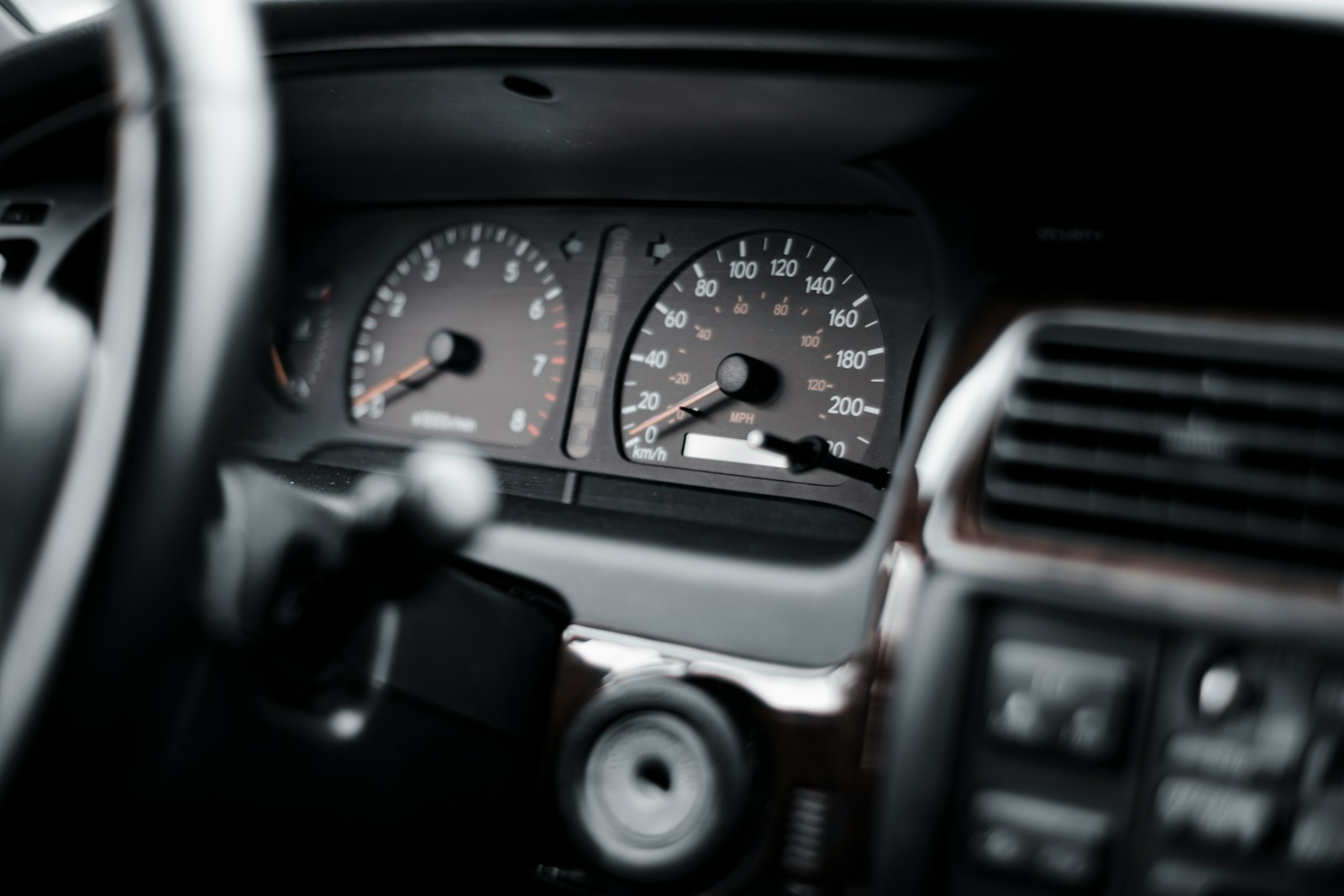

He thought he’d finally pulled off the grown-up version of a win: a clean used car, decent price, no weird vibes. The listing had the usual buzzwords—“well maintained,” “runs great,” “no issues”—but what sold him was the mileage. For the year, it was almost suspiciously low, the kind of number that makes you feel like you found a loophole in the universe.
The seller was a guy who sounded casual and confident in messages, the type who answered quickly and never seemed rattled by questions. When the buyer asked about the odometer, the seller didn’t gush or overexplain. He just kept it simple: it’s what the dash says, clean title, come take a look.
So the buyer showed up with cash, a friend who “knows cars,” and that cautious optimism you get right before you hand a stranger thousands of dollars. The car looked good in person—no obvious rust, interior not trashed, no check engine light glowing like a warning sign. The odometer read a number that felt like a gift, and for a minute he let himself relax.
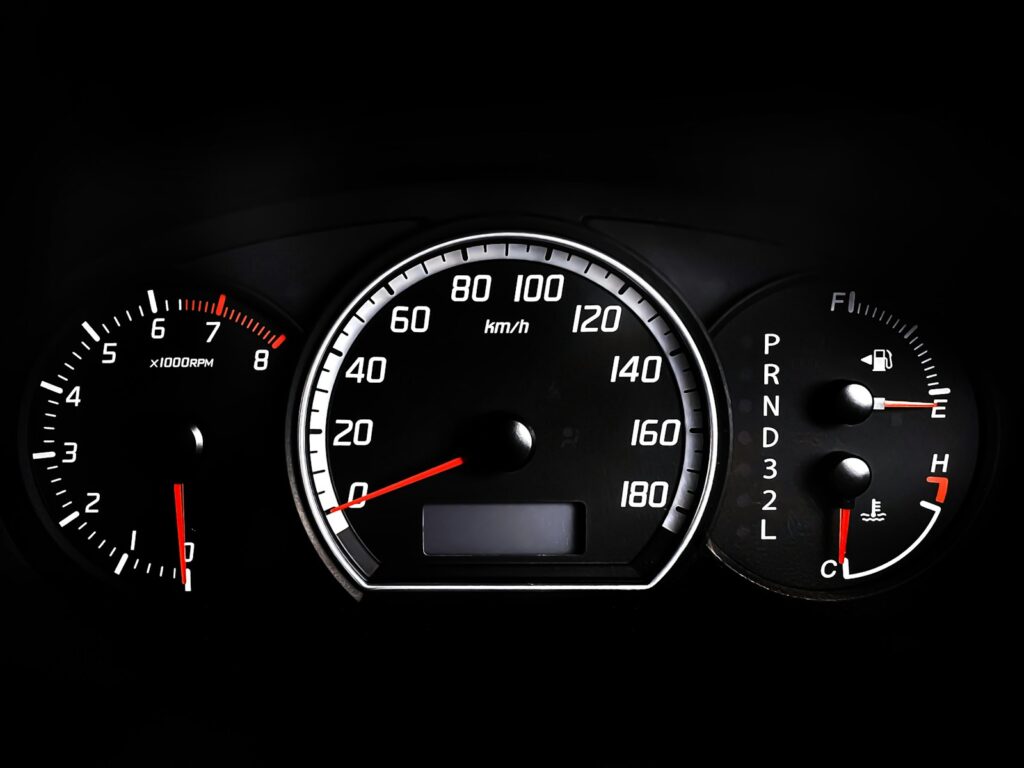
The meet-up felt normal… until it didn’t
The seller met him in a parking lot that wasn’t exactly sketchy, but also wasn’t “I have nothing to hide” energy. Think: a strip mall in the late afternoon, people coming and going, no one paying attention. The seller did the standard routine—pop the hood, point vaguely at a couple of parts, say something about “recent oil change.”
The buyer did what most people do when they’re trying to be responsible without turning into a detective. He checked the tires, listened to the engine, took it for a short drive, tested the brakes, and watched the temperature gauge like he’d seen in a YouTube video. Everything seemed fine, and the seller stayed just friendly enough to keep things moving without inviting deeper questions.
When they got back, the seller nudged the conversation toward closing. He had the title, a bill of sale template on his phone, and that calm impatience of someone who’s done this before. The buyer hesitated on one point—mileage on the paperwork—and the seller shrugged like it was a formality.
The first crack: the paperwork and the “it’s just what it shows” line
On the bill of sale, the mileage box sat there like a trap. The buyer asked, straight up, “So that’s the actual miles, right?” Not in an accusing tone, more like he wanted reassurance before he wrote a number that would follow the car forever.
The seller didn’t say yes the way normal people say yes. He said something closer to, “That’s what it reads,” and then added, “I’m not the original owner.” It wasn’t a refusal exactly, but it didn’t land like a promise either.
The buyer remembers feeling that little pinch of discomfort—like when someone answers a different question than the one you asked. But the car drove fine, the title looked clean at a glance, and the seller was already holding out a pen. The buyer wrote the odometer number down anyway, because it felt paranoid to walk away over a vibe.
They exchanged cash, took a quick photo of the signed paperwork, and the seller suddenly became a lot less chatty. He didn’t linger. He didn’t say “let me know if you have any questions.” He basically evaporated, leaving the buyer standing next to his new-to-him car with that strange aftertaste of a deal that ended too fast.
A week later, the car starts telling on itself
For the first few days, everything was fine in the way “fine” can be when you’re listening too hard for problems. The buyer drove it gently, kept the radio low, and made mental notes of tiny noises he couldn’t place. He told himself it was just new-car-to-you anxiety and that he’d calm down once he got it inspected.
Then the little inconsistencies started stacking up. The driver’s seat was more worn than it should’ve been for the mileage. The steering wheel had that shiny, smoothed-down look like it had been gripped for years and years. The brake pedal had the kind of wear you see in a commuter car, not a “low-mileage gem.”
He took it to a mechanic for a preemptive check, mostly hoping to buy peace of mind. The mechanic did the normal inspection and then made a face at the odometer reading like it was trying to tell a joke. He said something along the lines of, “This car has lived a longer life than the dash is admitting.”
The buyer asked what that meant, and the mechanic pointed to service stickers and replaced parts that didn’t match the story the mileage was telling. There were also notes in the car’s computer system that suggested higher usage—nothing dramatic on its own, but enough to start connecting dots. The mechanic recommended pulling a vehicle history report and, if possible, looking for past recorded mileage entries.
The “80,000 miles” moment hits like a punch
That night the buyer paid for a history report, expecting maybe a minor discrepancy. What he got was a clean, cold line in the timeline: a service record from not that long ago showing a mileage about 80,000 higher than what his dashboard currently displayed. Not “off by a little.” Not “typo.” A whole extra used-car lifetime.
He stared at the numbers for a long time, doing the math over and over like it might change. The date on the record wasn’t ancient, either. It wasn’t a “maybe the system got it wrong back in 2009” kind of thing. It was recent enough that you could almost picture the odometer getting spun backward like someone rewinding a movie.
The buyer went back to the photos he’d taken on the day of the sale. He had the odometer picture, the seller’s number, the signed bill of sale with the mileage written in ink, the title transfer info. It all looked legitimate in the way that makes you feel even dumber, because legitimacy is exactly what you were buying.
He texted the seller with a screenshot of the report and a simple message: “Hey, the history shows the car had 80k more miles last year. What’s going on?” He kept it polite, because part of him still hoped there was a non-scam explanation. Maybe a clerical error, maybe a swapped cluster with documentation, maybe something annoying but fixable.
The seller’s response: “I never promised the mileage was real”
The seller didn’t panic. He didn’t ask for details. He didn’t sound surprised at all, which was almost the worst part. He replied like he was addressing a complaint about floor mats.
When the buyer pushed—pointing out the odometer photo, the written mileage on the bill of sale, the fact that it was clearly marketed as low-mileage—the seller went slippery. He said he “never promised the mileage was real,” and that he’d only stated what the dashboard showed. He framed it like the buyer had assumed something that was never explicitly guaranteed.
The buyer read that line about ten times, because it was such a calculated dodge. The car was being sold with a specific mileage number, recorded on paperwork, and presented as a selling point. But the seller was acting like mileage was a random decorative feature, like a clock that might be a few minutes off.
The conversation got tense fast. The buyer asked for a refund or at least some kind of partial compensation, arguing that the entire value of the car changed with the real mileage. The seller responded with the classic “sold as-is” energy, repeating that he didn’t “guarantee” anything and that the buyer had the chance to inspect it.
At one point, the seller tried to reframe the issue as a philosophical debate. Mileage, he implied, was just information displayed by the car, not a promise he was responsible for. The buyer shot back that this wasn’t a misunderstanding—someone physically altered the odometer reading, and the seller was either involved or willfully ignorant in a way that still benefited him.
Now it’s not just a bad deal—it’s a personal standoff
The buyer started looking at what options even existed. Reporting suspected odometer fraud, contacting the DMV, possibly filing in small claims, maybe even looping in the police—each step felt like a hassle with an uncertain outcome. The seller wasn’t some established dealership with a reputation to protect; he was a guy with a phone number and a habit of disappearing after deals.
And that’s what made the whole thing feel so grimy. The seller’s line—“never promised the mileage was real”—wasn’t just a defense; it was a way to make the buyer feel naïve for expecting honesty. Like the buyer was the weird one for thinking the number on the odometer meant anything in a transaction built around that number.
The buyer also worried about the practical side. An extra 80,000 miles doesn’t just change resale value; it changes maintenance schedules, wear, and how much trust you can put in the car’s future. Every new noise now felt like evidence, and every repair quote felt like money being shoveled into a mistake.
He tried one more time to get the seller to talk sense—calm message, clear request, mention of the documented discrepancy. The seller’s replies got shorter, colder, and more dismissive, like he’d already moved on to the next listing. The last thing he sent was basically a verbal shrug, the kind that says: you can try to chase this, but I’m betting you won’t.
The buyer was left with a car that ran, a paper trail that proved something was off, and the sinking realization that the hardest part wasn’t discovering the rollback—it was getting the person who profited from it to care. The mileage had been rewound, but the feeling you get when someone looks you in the eye and says they never promised the truth? That part doesn’t roll back at all.
More from Steel Horse Rides: