

He wasn’t even looking for a “deal.” He was looking for a normal car that wouldn’t surprise him six months later with a blinking dash and a repair bill that felt like a second rent payment.
So when the listing for the silver compact popped up—clean photos, no obvious body damage, a tidy interior shot, and a very specific “58,0xx miles” in the description—it hit that sweet spot of believable. Not suspiciously cheap, not priced like it had been dipped in gold, just… reasonable. The seller sounded calm in messages too, the kind of person who answers questions without a bunch of defensive weirdness.
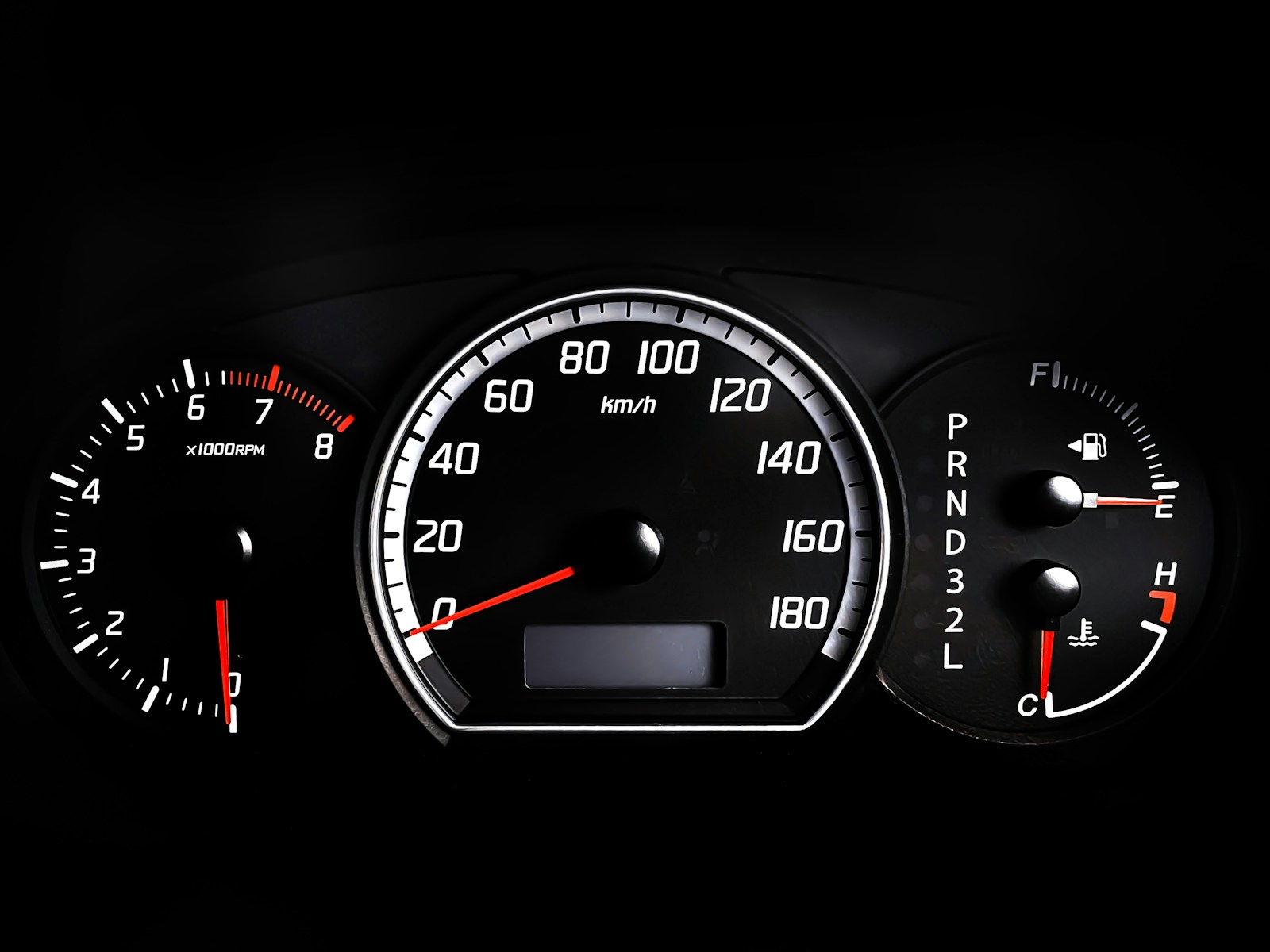
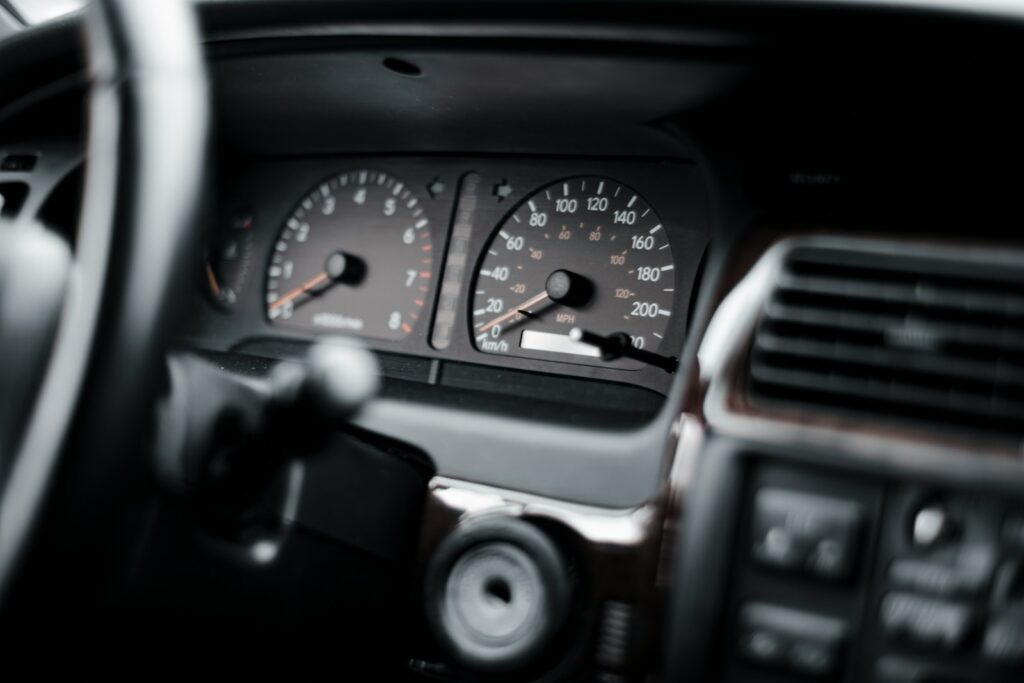
They met in a grocery store parking lot in late afternoon light, that time of day when every car looks a little better because the sun smooths out the scratches. The buyer did the usual slow loop around it, tried not to look overeager, and watched the seller’s face for tells. When he finally sat in the driver’s seat and the cluster lit up, the odometer read 58,123 and didn’t flicker, didn’t glitch—just sat there like a neat little promise.
The Seller’s Confidence Was the Whole Pitch
The seller didn’t just say the mileage was correct; he leaned on it like it was the point of the sale. “It’s been in the family,” he said, then followed it with a line about short commutes and “barely driven since the pandemic,” which sounded plausible enough to not trigger immediate alarm bells.
He had a folder too, which always calms people down. A couple oil change receipts, an inspection slip, some random printout with a shop logo. Nothing lined up perfectly in a satisfying “meticulous owner” way, but it also wasn’t empty, which is what the buyer was bracing for.
The test drive felt fine in that vague, unhelpful way test drives usually feel. No grinding noises, no shaking, no check engine light, just an older car doing older-car things—slightly soft brakes, a little road noise, the air conditioner that took its sweet time. The buyer asked, casually, if the miles were original, and the seller made eye contact and said, “Yeah. Absolutely. That’s the real mileage.”
By the time they were standing at the trunk doing the awkward money-and-title dance, the buyer had relaxed. He handed over the cash, got the title signed, and drove off feeling like he’d done an adult thing correctly for once.
The First Little Doubts Didn’t Feel Like “Odometer Fraud” Yet
The doubts started small and annoying, the kind you can talk yourself out of. The driver’s seat had more shine and creasing than the buyer expected for a 58k-mile car, and the steering wheel was worn smooth in that specific way that comes from years of hands in the same spots.
Then came the pedals. The rubber on the brake pedal looked a little tired, not destroyed, but not “only saw 58k” fresh either. The buyer chalked it up to a previous owner with heavy shoes, city driving, whatever explanation helps you keep enjoying the thing you just spent money on.
He kept finding little signs: tiny rock chips on the hood, a faint haze on the headlights, the kind of grime in the door jambs that doesn’t happen overnight. None of it proved anything, but it all whispered the same sentence: this car has been around.
Still, he told himself, plenty of low-mileage cars look worse than they should. People spill coffee. People don’t condition leather. People park in the sun. The odometer was right there, clean and confident, and the seller had said the right words.
He Opened the Hood for a Totally Boring Reason
A couple days later, the buyer popped the hood because he wanted to check the fluids and swap a dying battery terminal clamp. Not because he was hunting for evidence, but because he’s the kind of person who can’t leave a car alone once it’s his.
Under the hood it looked… fine. A little dusty, not freshly detailed, which almost felt reassuring. If someone was running a con, wouldn’t they wipe everything down and make it look like a dealership engine bay?
He was leaning in with a flashlight when he saw it: a service sticker on the underside of the hood, faded but still readable. The kind quick-lube places slap on after an oil change, with the date and mileage written in thick marker.
The buyer stared at it long enough that his brain tried to auto-correct the numbers. The mileage line didn’t say 61,000 or 71,000 or even 101,000. It said 190,487. And the date—three years earlier.
The Sticker Turned the Whole Sale Into a Different Story
At first he did the frantic math you do when you’re hoping you’re misunderstanding something. Maybe it was kilometers. Maybe the tech wrote the wrong mileage. Maybe the hood came from another car. He lifted it higher and looked for signs it had been swapped—different paint, odd bolts, anything to give him an escape hatch.
But everything looked normal. The sticker looked aged naturally, not freshly planted, and it was placed exactly where these stickers always end up. The ink had that slightly sun-bleached look, like it had been staring at heat cycles for years.
He pulled out his phone and checked the listing screenshots he’d saved, then the photo he’d taken of the odometer at the meet-up. 58,123. He zoomed in like zooming could make it change. It didn’t.
Then he did what everyone does now: he ran a vehicle history report. And that’s where the pit opened up under his stomach, because the report showed mileage entries climbing steadily—110k, 142k, 167k—then a big friendly “58,000” like the car had taken a time machine backwards. The last recorded service three years ago? Right around 190k.
The Text Messages Got Polite, Then Got Weird
He texted the seller a photo of the sticker. No insults, no accusations, just the image and: “Hey, can you explain this? It says 190k three years ago.” He waited, staring at the screen like he could will the typing bubble into existence.
The seller replied with the kind of message that tries to sound casual but hits too many points at once. He said he didn’t know anything about that, he bought it like that, maybe it was a mistake, maybe the shop wrote it wrong. He added, quickly, that the car “runs great” and he’d never had problems.
The buyer pushed back gently at first, because it’s bizarre how long people try to keep things civil even when they feel punched. He asked if they could unwind the sale, return the car, swap the money back. He mentioned the history report showing the same mileage issue, like he was offering the seller a chance to save face.
The seller’s tone tightened. He said the deal was done, the title was signed, and he wasn’t taking the car back. Then, in the next message, he asked why the buyer was “digging for problems” when he’d gotten a “good car.” It was that specific defensive pivot where a person stops pretending you’re asking a question and starts treating you like an attacker.
When the buyer suggested meeting up to talk in person, the seller stopped responding for a while. Then came a final message that was almost impressive in its bluntness: he wasn’t giving any refunds, and if the buyer kept “harassing” him, he’d block the number.
And that was it. The buyer was left standing in his driveway staring at a sticker like it was a confession note taped to the hood.
The Car Still Drove Fine, Which Somehow Made It Worse
In the following days, the buyer took it to a mechanic, partly to see if there were obvious signs of high mileage and partly because denial makes you spend money trying to buy certainty. The mechanic didn’t need long. He pointed out wear patterns—the suspension components, the seepage around seals, the tiredness in places that don’t usually show up at 58k.
Nothing catastrophic, which was almost the cruel part. If the engine had been knocking, the buyer could’ve felt righteous and decisive. Instead it was this gray area: a car that functioned, but a purchase that suddenly felt like it had been made in a dark room.
The buyer tried the official routes next: asking about reporting odometer fraud, looking into small claims, learning the difference between what’s illegal and what’s merely difficult to prove. Every step came with friction. Paperwork. Waiting. The realization that even when you’re right, being right can be exhausting.
What lingered most wasn’t just the money. It was the way the seller had looked him in the eye in that parking lot and said, “Absolutely,” like honesty was a feature the car came with.
And the sticker stayed there under the hood, fading quietly in the heat, a little rectangle of ink that didn’t argue or explain or block anyone’s number. It just sat above the engine like a timer nobody could rewind, while the buyer drove a “58,000-mile” car that, in his mind now, would always be a 190,000-mile car with a convincing mask and a seller who knew exactly how to wear one.
More from Steel Horse Rides: