
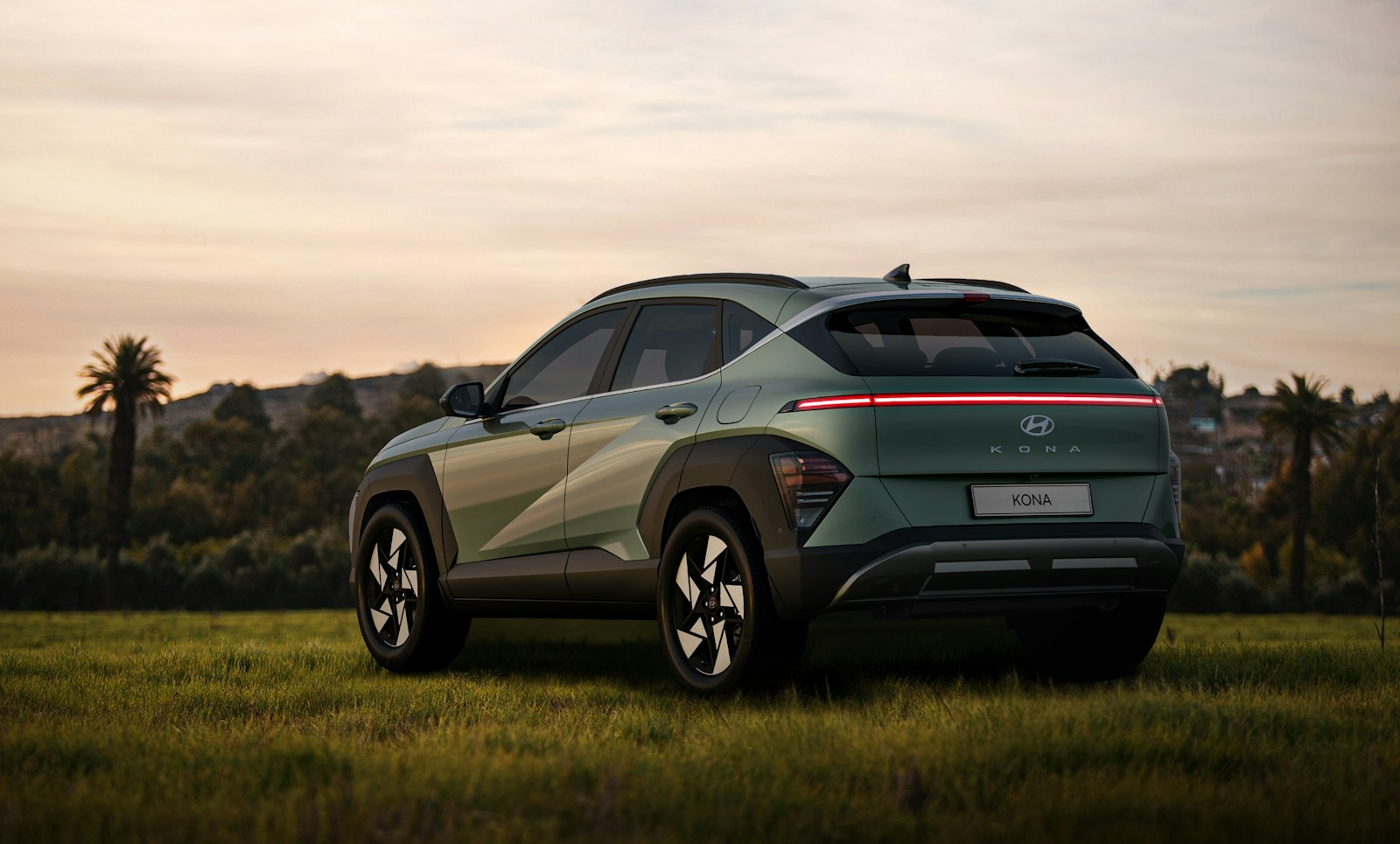

Original owner only. That’s the exact language Hyundai attaches to its Lifetime Hybrid Battery Warranty, and it means the single most generous EV battery promise in the industry evaporates the moment the car gets sold to anyone else. Buyers shopping the used-EV market tend to assume a battery warranty rides along with the vehicle like a factory recall does — permanently, no matter who’s holding the title. The fine print says otherwise for more brands than most shoppers realize, and the differences between automakers are large enough to change what a used EV is actually worth.
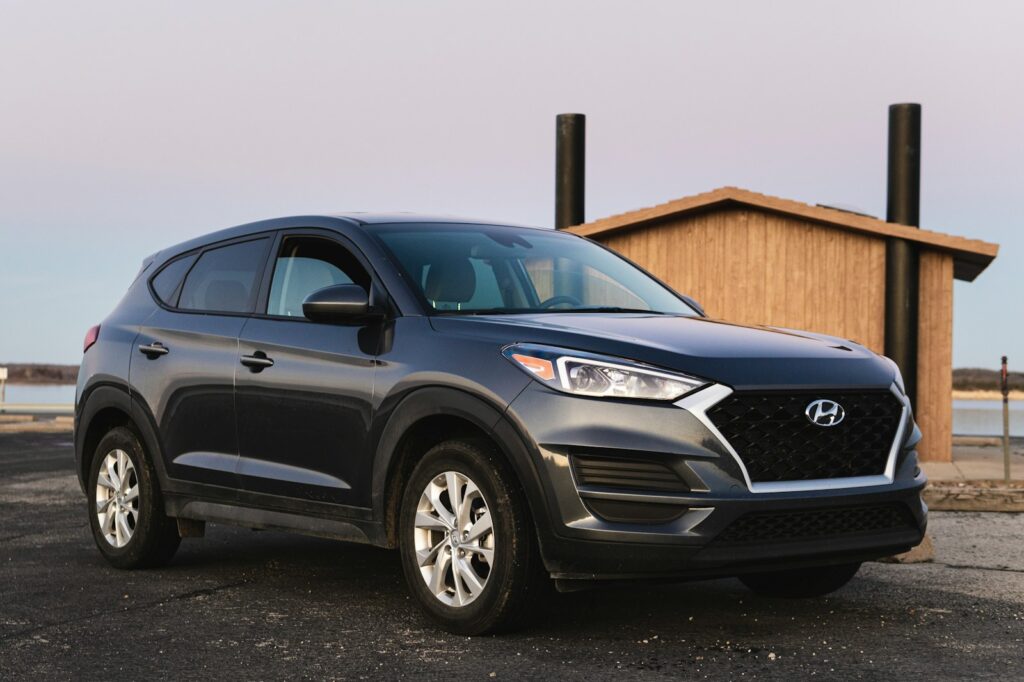
Hyundai’s Best Battery Promise Doesn’t Travel
Hyundai has marketed a Lifetime Hybrid Battery Warranty on certain models, and dealership warranty documentation is explicit that the benefit is restricted: “Lifetime Hybrid Battery Warranty (Original Owner Only),” as one Hyundai dealership’s official warranty breakdown states. When that same page lists which coverages do carry over to a second owner for up to five years or 60,000 miles, it specifically carves out both the 10-year/100,000-mile powertrain warranty and the Lifetime Hybrid Battery Warranty as exceptions. A used Kona Electric or Ioniq bought secondhand does not carry Hyundai’s marquee battery promise with it — only the automaker’s standard EV battery coverage applies, and even that resets to the reduced terms typical of a transferred warranty rather than staying at its original length.
Kia’s Standard Warranty Shrinks the Moment It Changes Hands
Kia is even more direct about the mechanics of a transfer. Kia’s well-known 10-year/100,000-mile powertrain warranty — the coverage umbrella that includes electrified components — does not carry its full term to a second owner in a private sale. Instead, per Kia’s published warranty transfer terms, “the coverage typically reverts to a 5-year/60,000-mile powertrain warranty for the new owner,” cutting the protection window by half or more depending on how old the car is at resale. The only way a subsequent buyer keeps the full 10-year term is by purchasing through Kia’s Certified Pre-Owned program specifically, rather than buying the same car from a private seller or an unaffiliated used-car lot.
Tesla’s Fine Print Is Less Clear Than Its Reputation Suggests
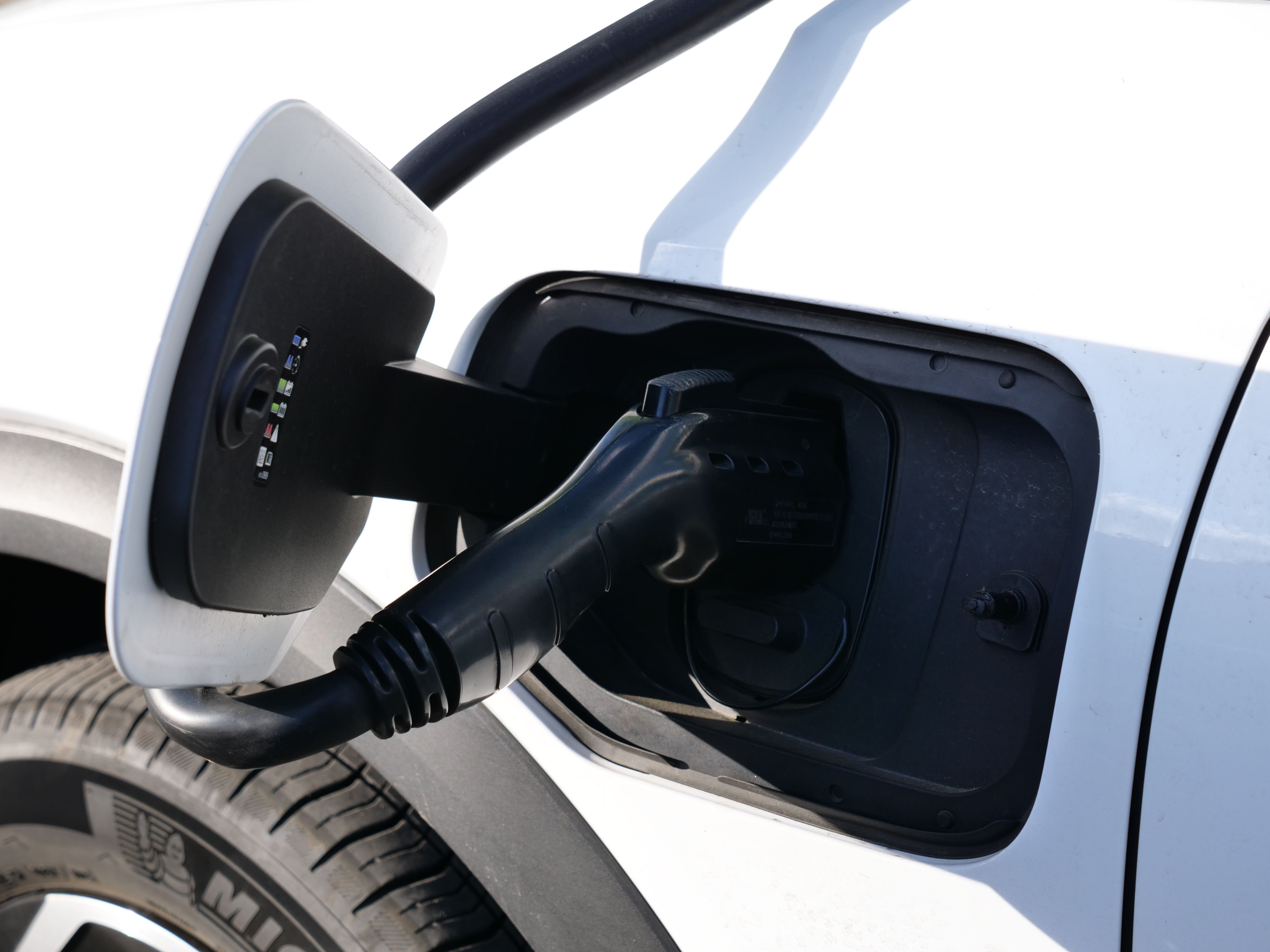
Tesla’s own vehicle warranty page states plainly that the New Vehicle Limited Warranty “will follow your vehicle and be transferred to the new owner” when a sale goes through Tesla’s ownership-transfer process. That’s a clean, unambiguous transfer promise for the general new-vehicle warranty. What’s notably less explicit on that same page is the Battery and Drive Unit Limited Warranty specifically for private used-car sales — the only battery-specific transfer language Tesla publishes covers its own Certified Pre-Owned inventory, where “the balance of original Battery and Drive Unit Limited Warranty still applies.” A buyer purchasing a used Tesla outside of Tesla’s CPO channel is left inferring the battery warranty’s transfer status rather than reading it spelled out the way Kia and Hyundai spell out theirs.
Not Every Automaker Plays It This Way
Rivian takes the more straightforward approach that shoppers assume is universal. Rivian’s support documentation states that the New Vehicle Limited Warranty “may be transferred to a new owner” without the original-owner carve-outs that show up in Hyundai’s and Kia’s fine print, though Rivian directs buyers with battery-specific questions to contact customer service for case-by-case confirmation rather than publishing a single definitive battery-transfer clause. GM and Ford both publish standalone EV-specific warranty guides — Chevrolet’s Electric Vehicle Limited Warranty and Owner Assistance documentation runs to dozens of pages covering the battery and electric drivetrain separately from the general vehicle warranty — and neither brand advertises an original-owner-only restriction on its standard EV battery coverage the way Hyundai does with its lifetime promotion.
What This Actually Means at Resale
The practical effect shows up at the exact moment a used EV changes hands. A three-year-old Kia EV6 sold privately loses half its powertrain coverage window instantly, a five-year-old Hyundai with the lifetime battery pitch loses that pitch entirely, and a used Tesla buyer is left reading between the lines on a document that answers the general-warranty question clearly but not the battery-specific one. None of this means these EVs are riskier to buy used — most EV batteries are proving durable well past their warranty periods regardless. It means the used-EV market has fine print that functions less like a blanket safety net and more like a set of brand-specific contracts, and skipping the actual warranty document in favor of a dealership’s sales pitch is how buyers end up assuming coverage that was never actually there.