
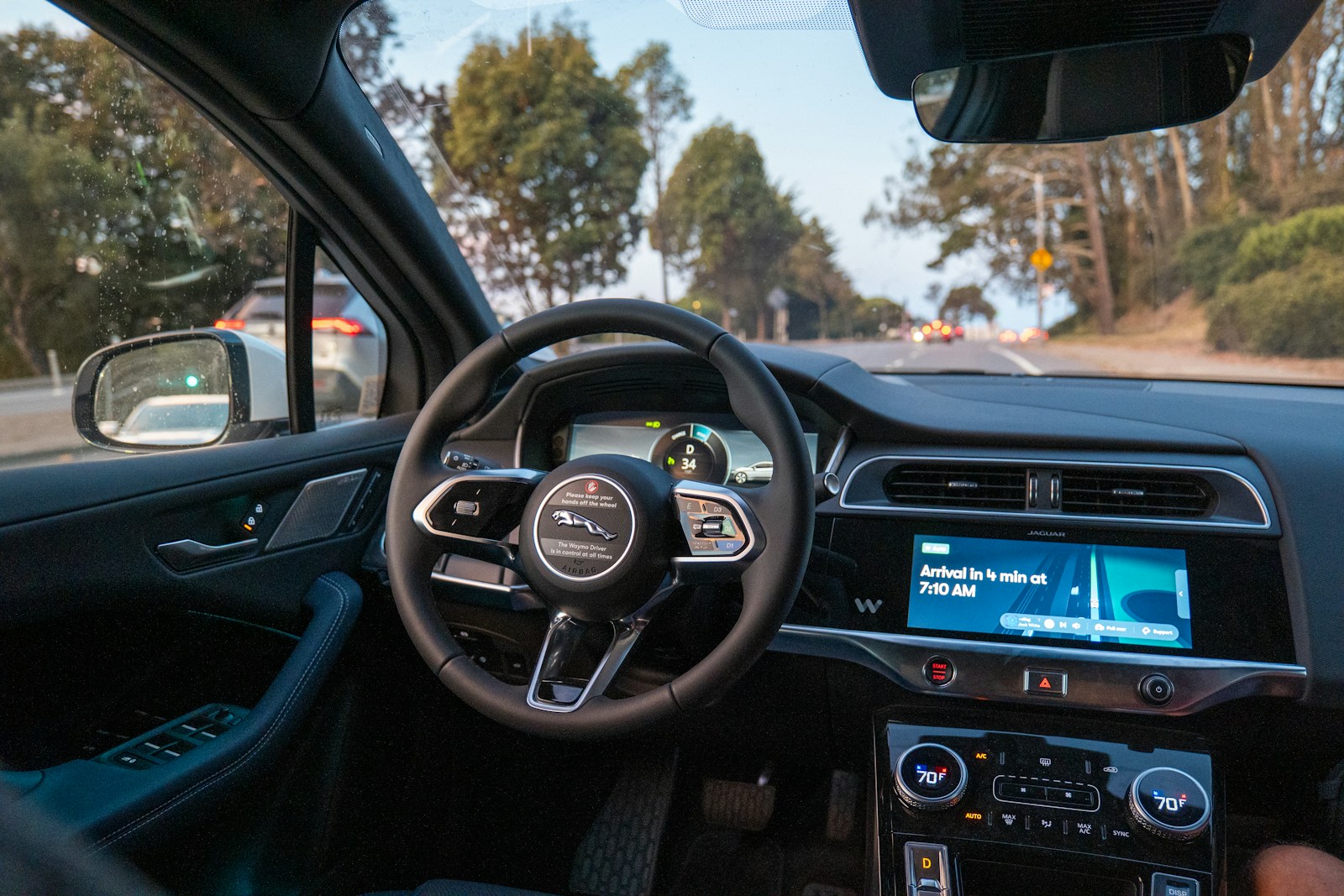

Waymo’s robotaxis are racking up driverless miles in Phoenix, San Francisco and Los Angeles, but the company’s shift to an all-electric fleet is exposing a quieter constraint: where and how those vehicles charge. As the service area grows and trip volumes climb, the company is running into the physical and economic limits of today’s EV charging networks, from grid capacity to station design and basic uptime.
The result is a strategic bottleneck that touches everything from rider wait times to Waymo’s path to profitability. Keeping hundreds of autonomous Jaguar I‑PACE SUVs and other EVs charged, cleaned and ready is no longer a back‑of‑house logistics problem, it is becoming a central test of whether large‑scale robotaxi operations can work in real cities at all.
Waymo’s expanding EV fleet is outgrowing today’s charging playbook
Waymo has moved from small pilots to full commercial service zones, which means its electric fleet now cycles through thousands of rides per day and must recharge on a predictable cadence. The company has publicly highlighted that its robotaxis operate in Phoenix, San Francisco and Los Angeles, with service areas that have steadily widened as regulators approved more driverless operations, and those expansions translate directly into higher daily energy demand for the fleet. As more vehicles stay in motion for longer shifts, the traditional model of opportunistic DC fast charging at scattered public stations becomes less viable for a system that depends on tight dispatching and high utilization.
To keep vehicles available during peak demand, Waymo needs charging that is both dense and reliable near its operating hubs, a requirement that is already straining existing infrastructure. Reporting on the broader EV ecosystem has documented how high‑power chargers can be clustered in a few highway corridors while urban neighborhoods, where robotaxis actually operate, remain under‑served, and that mismatch is especially acute for a fleet that cannot simply detour miles out of its way without eroding service quality. Industry analyses of commercial EV operations also note that as fleets scale into the hundreds of vehicles, operators typically shift from public chargers to dedicated depots, a transition that demands significant capital and long lead times for grid upgrades, land acquisition and permitting.
Public fast‑charging networks are not built for 24/7 robotaxis
Waymo’s reliance on public DC fast‑charging networks exposes it to problems that individual EV owners can tolerate but high‑throughput fleets cannot. Studies of public charging reliability have found that a notable share of fast chargers can be out of service at any given time, with some surveys citing double‑digit percentages of stations reporting faults, payment issues or degraded power levels. For a robotaxi that is dispatched algorithmically, arriving at a charger that is offline or delivering reduced power can cascade into missed trips, longer rider wait times and vehicles timing out of their duty cycles earlier than planned.
Even when chargers are technically available, they are often not optimized for the quick in‑and‑out patterns of commercial fleets. Many public sites are located in retail parking lots or along highway exits, which may be convenient for private drivers but inefficient for a geofenced service that needs to keep vehicles close to dense trip demand. Reporting on EV infrastructure build‑out has also highlighted that peak congestion at popular fast‑charging sites can lead to queues, particularly during travel holidays and commuting windows, and a robotaxi stuck in a line of Teslas and Ford F‑150 Lightnings is effectively out of service. For a company that measures performance in completed rides per vehicle per day, that kind of downtime is far more damaging than it is for a private owner who can simply wait or charge later.
Depot charging, grid constraints and the cost of going big
To escape the unpredictability of public networks, Waymo and its peers are increasingly turning to depot‑style charging yards, but that solution comes with its own set of constraints. Analyses of commercial EV depots show that supporting even 100 fast‑charging stalls at 150 kilowatts each can require tens of megawatts of grid capacity, a level that local utilities often cannot deliver without new substations, transformers and feeder lines. Those upgrades can take years to plan and build, which means charging capacity can lag behind fleet growth, forcing operators to juggle vehicles between multiple smaller sites or fall back on slower AC charging that lengthens turnaround times.
Land and construction costs add another layer of friction. Urban real estate near high‑demand service zones is expensive, and building a purpose‑designed depot with queuing lanes, maintenance bays and high‑power chargers can run into the tens of millions of dollars before a single kilowatt‑hour is delivered. Reporting on fleet electrification projects has detailed how some operators have resorted to temporary solutions such as trailer‑mounted battery buffers or mobile chargers to bridge the gap while permanent infrastructure is built, but those workarounds add operational complexity and do not fully solve the underlying grid limitations. For Waymo, which is already investing heavily in software, mapping and vehicle platforms, the capital intensity of large depots risks turning charging into one of the most expensive line items in the robotaxi business model.
Charging logistics are starting to shape the rider experience
The charging bottleneck is not just a back‑office headache, it is beginning to shape what riders see in the app. When a significant share of the fleet is sidelined for charging at the same time, wait times can spike in certain neighborhoods and during specific hours, even if there are vehicles technically within the service area. Analyses of ride‑hailing and robotaxi operations have shown that vehicle availability is highly sensitive to how long cars spend out of circulation, and every additional minute plugged into a charger instead of picking up passengers erodes the effective capacity of the fleet. In practice, that can mean longer gaps between rides, more frequent “no cars available” messages and less predictable service in fringe parts of the coverage map.
Charging patterns can also influence how Waymo prices and prioritizes trips. Industry research on dynamic fleet management describes how operators may steer vehicles toward higher‑revenue rides when battery levels are healthy, then cluster them near charging hubs as they approach lower thresholds, which can leave some lower‑demand areas underserved. If chargers are concentrated in a few depots rather than distributed across the city, the system may increasingly favor trips that keep vehicles within easy reach of those hubs. Over time, that feedback loop risks creating a two‑tier experience in which riders near charging infrastructure enjoy shorter waits and more consistent availability, while those farther away see a thinner, less reliable service, even within the same nominal operating zone.
Waymo’s options: smarter software, new partners and slower expansion
Waymo is not powerless in the face of these constraints, but every mitigation strategy comes with trade‑offs. On the software side, fleet‑management algorithms can be tuned to schedule charging during off‑peak hours, pre‑position vehicles near underused chargers and factor in real‑time station status data to avoid dead‑on‑arrival trips. Research on intelligent charging for autonomous fleets suggests that even modest improvements in routing and scheduling can cut charging‑related downtime by double‑digit percentages, effectively increasing the usable size of the fleet without adding more cars. However, those gains depend on accurate data from charging networks and utilities, and they cannot fully compensate for hard limits on grid capacity or physical charger counts.
Strategically, Waymo can deepen partnerships with charging providers, utilities and property owners to co‑develop dedicated infrastructure, but that approach ties the company’s growth to the timelines and investment appetites of outside players. Reporting on large EV infrastructure deals has shown that multi‑party projects often involve complex power‑purchase agreements, revenue‑sharing models and regulatory approvals, any of which can slow deployment. Faced with those realities, Waymo may have to make harder choices about how quickly to expand into new cities or enlarge existing service zones, prioritizing markets where charging build‑out is most feasible and deferring others until the grid and real estate puzzle pieces fall into place. In effect, the pace of robotaxi rollout could become less a function of software readiness or regulatory approval and more a reflection of how fast the company can secure and energize enough plugs to keep its EVs moving.
More from Steel Horse Rides: