
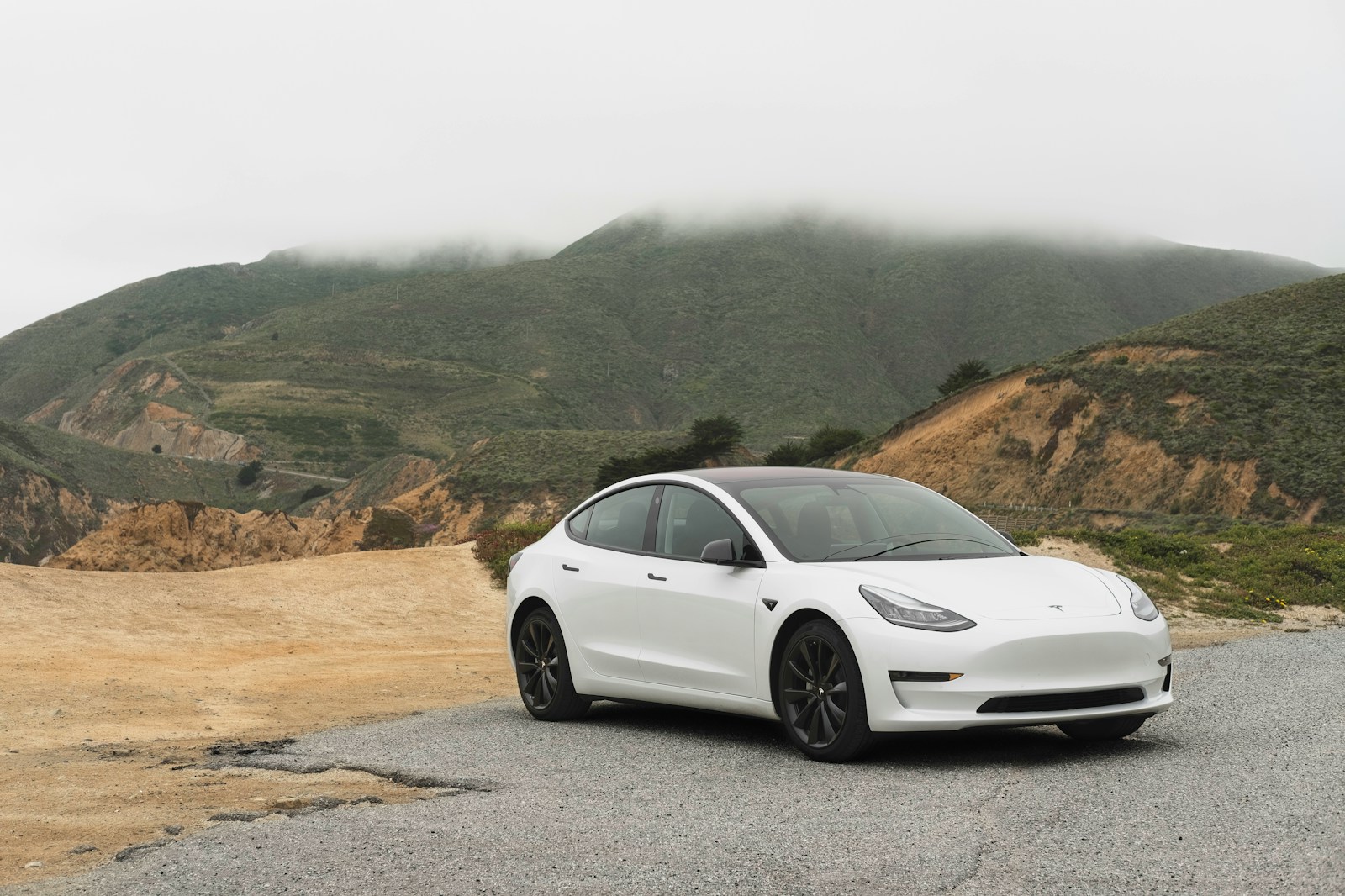

Waymo picked a fight with Tesla this week, and it did it with numbers instead of insults. In an August 27 company blog post flagged by Electrek, Srikanth Thirumalai, Waymo’s head of AI foundations, wrote that treating driver-assist software as a stepping stone to full autonomy is a “false summit,” a direct shot at Tesla’s camera-only Full Self-Driving program just as Tesla pushes its Cybercab robotaxi toward launch. Source: Electrek.
What Thirumalai actually said
The line, quoted directly from Waymo’s own post per Electrek’s reporting: “Simply improving a driver-assist system (L2) for full autonomy is a false summit. True L4 maturity can only be safely achieved by a purpose-built system, validated on closed courses and hardened by the uncompromising experience of driving without a human in the car.”
That’s a pointed distinction. Tesla’s FSD is classified as Level 2, meaning a human driver is legally and functionally responsible at all times, no matter how capable the software looks in a viral video. Waymo builds toward Level 4, where the vehicle itself is the responsible party within a defined operating area, with no human backup required.
Key Points
- Waymo is running more than 500,000 paid, fully driverless rides per week and says it’s targeting 1 million weekly rides by the end of 2026, per Electrek’s reporting.
- Waymo has logged over 200 million fully autonomous miles to date with no human safety driver.
- Tesla’s own disclosed figures show roughly 380,000 miles driven in “unsupervised” mode over the past year, largely within a limited Robotaxi pilot in Austin that still uses in-car safety monitors.
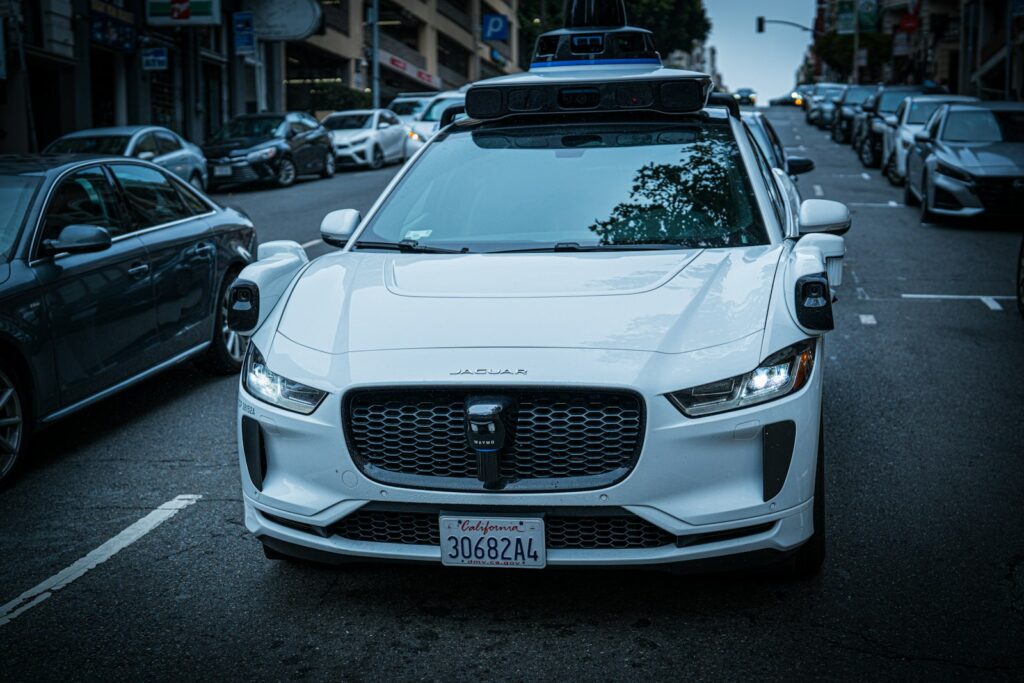
- Waymo’s hardware stack layers lidar and radar on top of cameras for redundant sensing; Tesla relies on a camera-only “Tesla Vision” approach, arguing cameras alone can eventually match or exceed human-level perception.
The scale gap is the real story here, not the rhetoric. Waymo operates a fully driverless commercial service across multiple cities without a person behind the wheel at all. Tesla’s Robotaxi rollout in Austin has expanded gradually and still keeps a human monitor either in the vehicle or reachable remotely, and by several accounts the active fleet size has fluctuated rather than scaled aggressively this year.
None of that means Tesla’s approach is doomed. Camera-only perception is dramatically cheaper to manufacture and deploy at scale, which is central to Tesla’s long-term bet that vision-based autonomy can eventually run on ordinary consumer cars without a roof-mounted sensor array. Waymo’s lidar-and-radar stack costs more per vehicle but has racked up a far longer track record of unsupervised, paying-passenger operation.
For anyone shopping either ecosystem right now, the practical takeaway is straightforward: Tesla’s FSD, however impressive on a phone screen, is still a supervised driver-assist feature you’re legally on the hook for. Waymo’s driverless rides are a live commercial product with a real mileage record behind them. Waymo just made sure everyone remembers which is which.