

The Bill Before the Repair
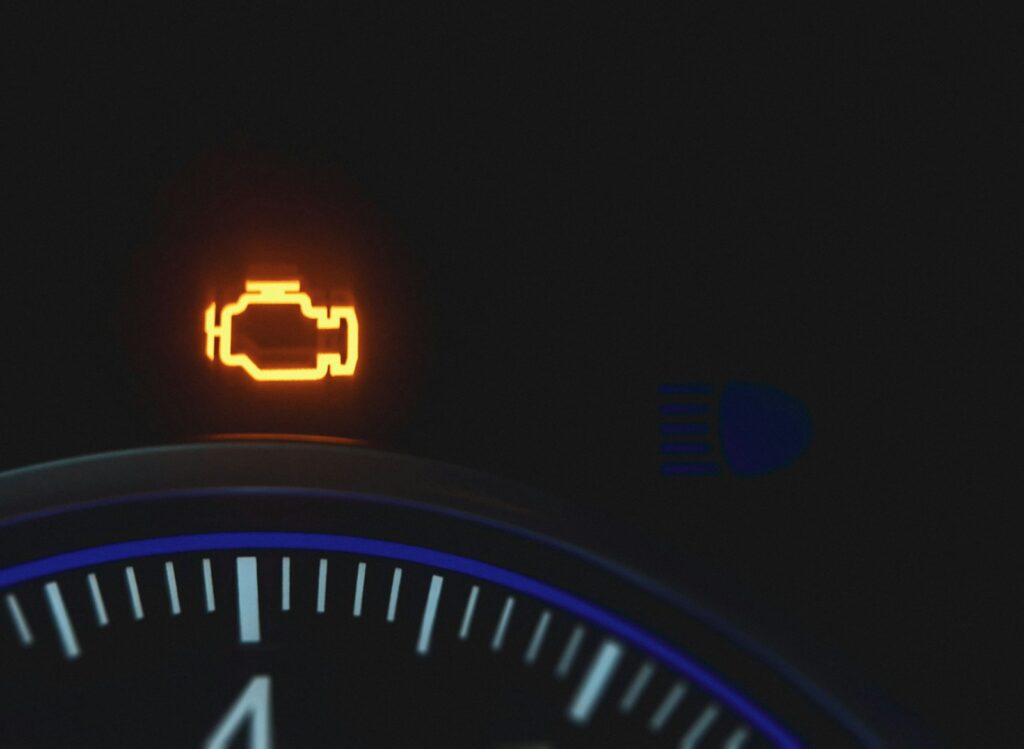
Before a mechanic touches a single sensor, you’re already on the hook for somewhere between $122 and $233 just to find out what’s wrong. That’s the national range RepairPal lists for check engine light diagnosis and testing, and it has nothing to do with parts. It’s pure labor: a technician hooking up a scan tool, pulling stored codes, cross-referencing live data, and sometimes road-testing the car to confirm what’s actually triggering the light. Where you live decides which end of that range you land on, because diagnostic pricing is really just a shop’s hourly labor rate multiplied by however long the puzzle takes to solve.
Why the Same Dashboard Light Costs Different Amounts
Shop labor rates aren’t set by some national board. They track local rent, technician wages, and how much competition a shop has down the street, and the spread across the country is bigger than most drivers assume. According to Tekmetric’s 2026 shop management data, the average U.S. labor rate sits at $132 an hour, but individual states range from $100 an hour in West Virginia to $197 an hour in Hawaii. California shops average $156 an hour. Texas comes in at $141. New York and Ohio both hover around $125, while Florida sits closer to $138. That’s not a rounding error between neighbors: it’s a nearly two-to-one gap between the cheapest and priciest states in the country for the exact same hour of a technician’s time.
Turning a Labor Rate Into an Actual Number
Here’s where it gets useful. RepairPal’s $122-to-$233 national diagnostic estimate, measured against the $132 national average labor rate, works out to roughly one to just under two hours of shop time for a typical check engine diagnosis. Apply that same window to Tekmetric’s state figures and the regional gap becomes concrete. In West Virginia, at $100 an hour, that same one-to-two-hour diagnosis lands closer to $100 to $180. In Hawaii, at $197 an hour, it climbs to somewhere between $197 and $355. A California driver is probably looking at $156 to $280. Someone in Texas is closer to $141 to $250. Same dashboard light, same basic procedure, and a difference of a few hundred dollars depending entirely on the zip code the car happens to be parked in.
That math tracks with what other labor-rate surveys show. AAA’s 2026 breakdown found that almost half of all auto repair shops nationally price their labor somewhere between $120 and $159 an hour, which puts most diagnostic bills for most drivers squarely in the $120-to-$280 window rather than at either extreme. The outliers matter, but the middle of the market is where most people actually end up paying.
The Diagnostic Is the Cheap Part
It’s worth keeping that $122-to-$355 diagnostic range in perspective, because it’s rarely the whole bill. A 2026 CarMD report tracking repairs from the prior year found the average total cost to actually fix whatever triggered a check engine light climbed to a record $554, up 33% year over year, as the average vehicle on American roads keeps getting older and pricier to keep running. The diagnostic fee is just the entry ticket. Whatever the technician finds after that, an oxygen sensor, a catalytic converter, a coil pack, gets added on top of the labor you already paid to identify it.
There’s a shortcut some drivers reach for: free code-scan services at auto parts retailers, which several outlets covering the CarMD data pointed to as a cost-saving option. Those pull the same trouble codes a shop would, for nothing. What they don’t do is the actual diagnostic work, which means verifying which code is the real cause versus a downstream symptom, and ruling out the two or three other components that throw an identical code. A parts-store scan can tell you a code exists. It can’t always tell you what to trust.
What This Means for Your Next Visit
None of this means you’re being overcharged if your local shop quotes $200 instead of $130. It usually just means you live somewhere the local market has pushed labor rates higher, the same force that decides what a haircut or a plumber costs in your area. What it does mean is that a diagnostic quote is worth comparing against your state’s typical labor rate before you assume it’s padded, and that the number on the invoice for “diagnosis” is only ever the opening bid in a repair that, on average, is going to cost you a lot more before the light actually goes off.