


A numbers-matching 1967 Corvette can be worth tens of thousands more than an identical car with a replacement engine, and that gap is exactly why the phrase gets misused. One documented case involved a buyer who paid more than $100,000 for a ’67 Corvette roadster billed as a rare big-block car with matching numbers, only to discover it had actually been built as a small-block and later modified, a fraud detailed in Hagerty’s own reporting on restamped engine blocks and altered tags. The term sounds like a simple pass/fail credential. It isn’t. What counts as “matching,” how it’s verified, and how much it should actually move a price are all far murkier than most listings let on.
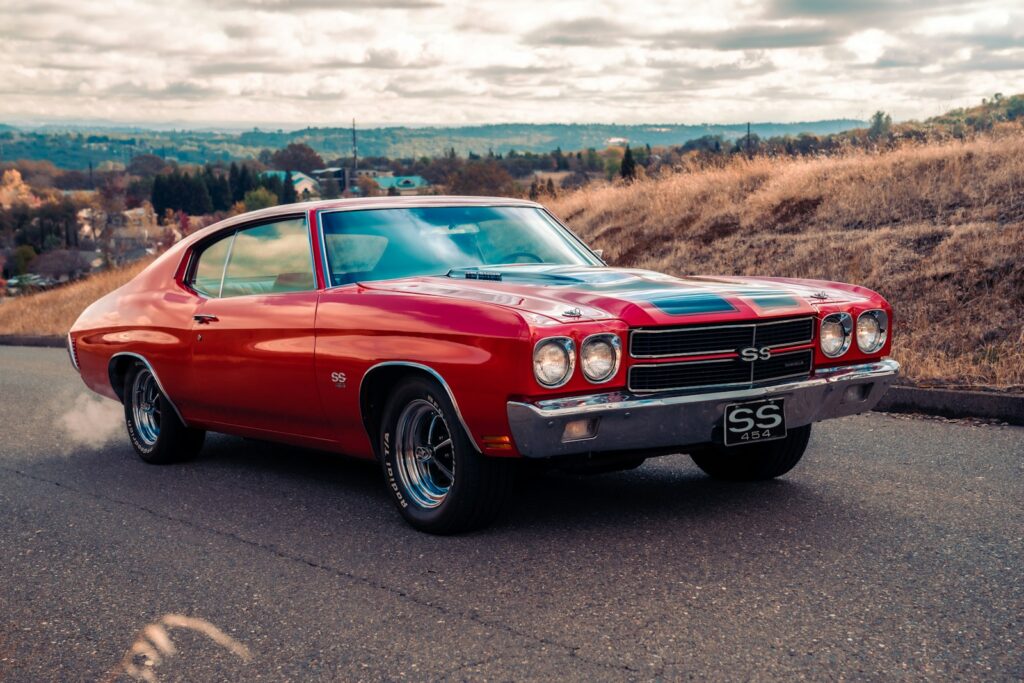
What the term is technically supposed to mean
At its narrowest, numbers matching means the chassis, body, engine and drivetrain currently on a car are the same physical components that car left the factory with, verifiable through stamped VIN derivatives, casting numbers, date codes and trim tags, according to Hagerty’s own explanation of how the concept came to matter in the collector market. But that definition only holds up cleanly for a handful of marques. Chevrolet stamped enough traceable codes into its engine blocks that Corvette engines can be verified against a car’s VIN with real confidence, which is why organizations like the National Corvette Restorers Society built formal judging standards around exactly this kind of documentation. Most other domestic manufacturers never stamped their components with that level of specificity, so claims for those cars often rest on looser standards like “date-code correct” or “period correct” rather than a documented, provable match, a distinction Hagerty has separately warned buyers to watch for when a seller blurs the two.
How the term gets stretched
The stretching happens in a few consistent ways. Sellers cite circumstantial evidence, such as a casting number that’s period-correct or a date code that’s in the right range, and let buyers infer a documented match without ever producing the paperwork to prove it. Some list a car as “numbers matching” when only the engine block matches and the transmission, rear end or interior components don’t, quietly narrowing what actually got verified. And because restamping an engine pad or swapping a data tag is mechanically straightforward, the credential itself can be faked outright. Corvette restoration specialist Kevin Mackay has described, in the same Hagerty reporting on matching-numbers fraud, how fraudsters restamp blocks and switch original equipment tags while preserving paperwork that appears to support the claim. His recommended checks, including inspecting tags for signs of removal or reinstallation, examining the frame under mirrors for splicing or repair work, and checking fiberglass color consistency behind panels against factory-correct shades for the model year, are the kind of diligence a casual buyer rarely performs before wiring a deposit.
What the premium actually looks like
The dollar impact is real and substantial, even if it varies by model. Hagerty has cited a case where a buyer could acquire a desirable second-generation Corvette with a non-original but period-correct engine for roughly $15,000 less than an equivalent numbers-matching car, according to its analysis of whether a numbers-matching classic is worth the premium. On rarer or higher-dollar muscle cars, that spread routinely reaches into the tens of thousands, which is precisely the incentive for a seller to lean on the phrase without backing it up. It’s also why the credential matters more on cars where the underlying components are actually traceable, such as Corvettes with NCRS documentation, Mopars with a PHS Automotive Services build-sheet report, and Fords with a Marti Report, than on cars where “matching” is really just an assertion dressed up in confident language.
What buyers should actually ask for
A verbal assurance from a seller or an auction description is not documentation. Legitimate proof looks like a factory build sheet, broadcast sheet, or window sticker cross-referenced against the car’s stamped components, plus a documented ownership and restoration history rather than a photo of a shiny engine bay. Hagerty’s own reporting notes that even smartphone photos of tags, pads and paperwork sent to a marque specialist can catch a mismatched claim in a large share of fraud cases before money changes hands — proof that most of this fraud is preventable simply by asking for specifics instead of taking the label at face value.
Across every marque and every price point, the pattern is consistent: the more a seller relies on the phrase “numbers matching” instead of the paperwork behind it, the more reason a buyer has to ask exactly what was actually verified.