


Why ’90s Japanese Cars Are the Hottest Auction Items Right Now
In a surprising turn of events, classic Japanese cars from the 1990s have surged in popularity at auctions, with some models fetching prices that far exceed their original retail values. This trend is affecting collectors, automotive enthusiasts, and even casual buyers as they scramble to secure iconic models from a decade known for its innovative automotive designs and performance. With auction sales for these vehicles reaching record highs, the growing interest signals a renewed appreciation for the unique characteristics of ’90s Japanese cars.
The Rise of the ’90s Japanese Car Market
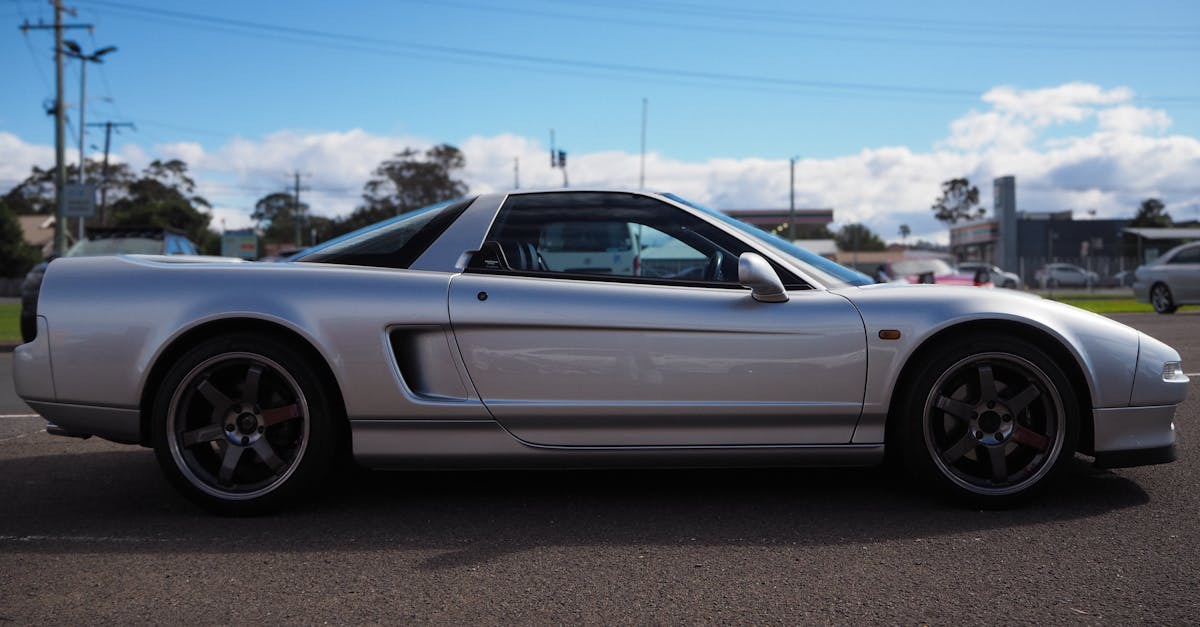
In recent auctions, prices for ’90s Japanese cars have risen significantly, with some models appreciating by as much as 300% over the past few years. The Nissan Skyline GT-R, for instance, has seen auction prices soar from around $30,000 in 2015 to upwards of $100,000 today. This trend is not limited to just one model; vehicles like the Toyota Supra Mark IV and the Honda NSX are also experiencing heightened demand, with prices reflecting their status as cultural icons in automotive history.
The popularity of these vehicles can be attributed to several factors, including nostalgia among car enthusiasts who grew up during the ’90s, as well as the burgeoning interest in JDM (Japanese Domestic Market) cars among younger generations. Social media platforms and online communities dedicated to car culture have played a pivotal role in elevating the appeal of these models, showcasing their unique aesthetics and performance capabilities.
Key Models Driving Demand
Several standout models have emerged as the top contenders in auctions, captivating buyers and collectors alike. The Toyota Supra, particularly the 1994-1998 models, has become a sought-after item due to its performance and association with the Fast & Furious franchise. Auction prices for pristine examples can easily exceed $80,000, highlighting its desirability.
Similarly, the Nissan 300ZX and the Mazda RX-7 have garnered attention for their innovative engineering and sporty designs. The RX-7, especially the 1993 model, is known for its lightweight chassis and rotary engine, making it a favorite among driving purists. Auction sales for well-maintained RX-7s have reached between $30,000 and $50,000, depending on condition and mileage.
The Cultural Impact of ’90s Japanese Cars
Beyond their performance and aesthetic appeal, ’90s Japanese cars hold significant cultural value. They represent a golden era in automotive history that introduced a blend of technology and design that continues to influence contemporary vehicles. The rise of drifting culture and video games like Gran Turismo have further solidified the status of these cars as icons in the automotive world.
Moreover, the nostalgia factor cannot be overstated. As millennials and Gen Z individuals reminisce about their childhood experiences with these vehicles, whether through video games or movies, the desire to own a piece of that nostalgia grows stronger. This phenomenon is evident in the increasing number of car shows and events dedicated to showcasing classic Japanese models, which have seen attendance rates climb by over 50% in recent years.
The Investment Potential
Investors are increasingly viewing classic Japanese cars as viable assets, with many models appreciating in value at rates comparable to traditional collectibles like art or vintage wines. According to classic car auction data, the average appreciation rate for ’90s Japanese cars has been around 15% annually, making them an attractive option for those looking to diversify their investment portfolios.
In addition, the rarity of certain models contributes to their investment potential. As time passes, fewer well-maintained examples of these vehicles are available, driving up demand among collectors. The limited production runs of models like the Toyota MR2 and the Subaru SVX have made them particularly desirable, with prices reflecting their scarcity. Auction estimates for pristine MR2s have reached as high as $25,000, while SVXs have been known to sell for around $20,000.
Challenges in the Market
Despite the booming interest, potential buyers should be cautious. As prices rise, the market becomes increasingly competitive, and it can be challenging to find vehicles that are genuinely worth their asking prices. Additionally, the costs associated with restoration and maintenance of these classic cars can be significant, with some estimates suggesting that owners may need to invest an additional 20-30% of the purchase price to bring a car up to show-quality condition.
Furthermore, the rise of online auction platforms has introduced a new level of accessibility but also increased the likelihood of scams or misrepresented vehicles. Buyers are urged to conduct thorough research and utilize trusted sources when considering a purchase, ensuring that they are well-informed