
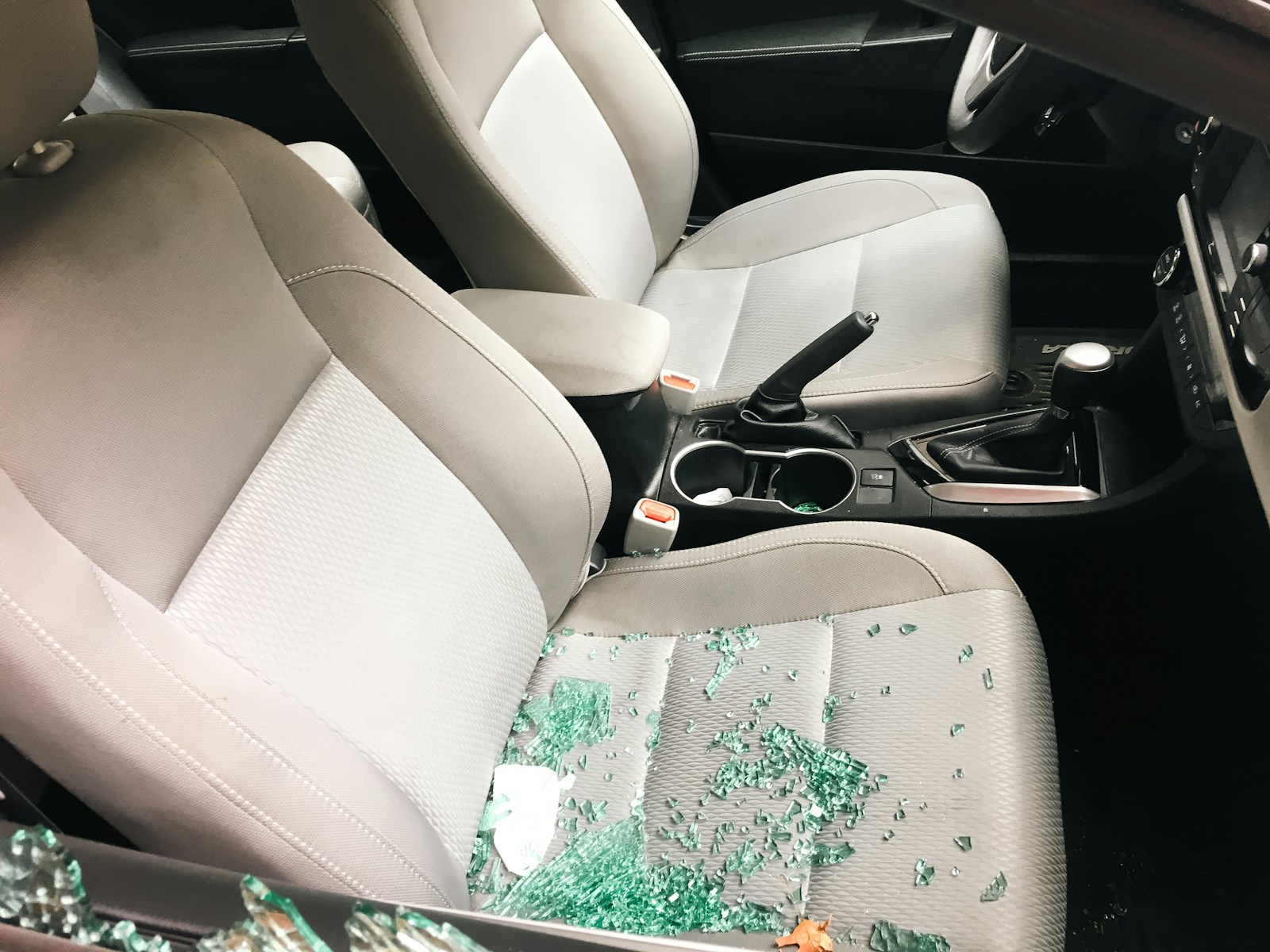

A vehicle is stolen in the United States roughly every 48 seconds, and 659,880 vehicles were reported stolen nationwide in 2025 alone, according to the National Insurance Crime Bureau. Break-ins run alongside that number, and they follow a rhythm police departments can set their calendars by. Lubbock, Texas police told the NICB flatly that car break-ins and theft “rise” every year as students return to the Hub City. Little Rock police logged an 84% jump in vehicle break-ins in a single year, and the story repeats itself in city after city once parking lots fill back up for fall. It is not superstition. It is foot traffic, opportunity, and a predictable calendar.
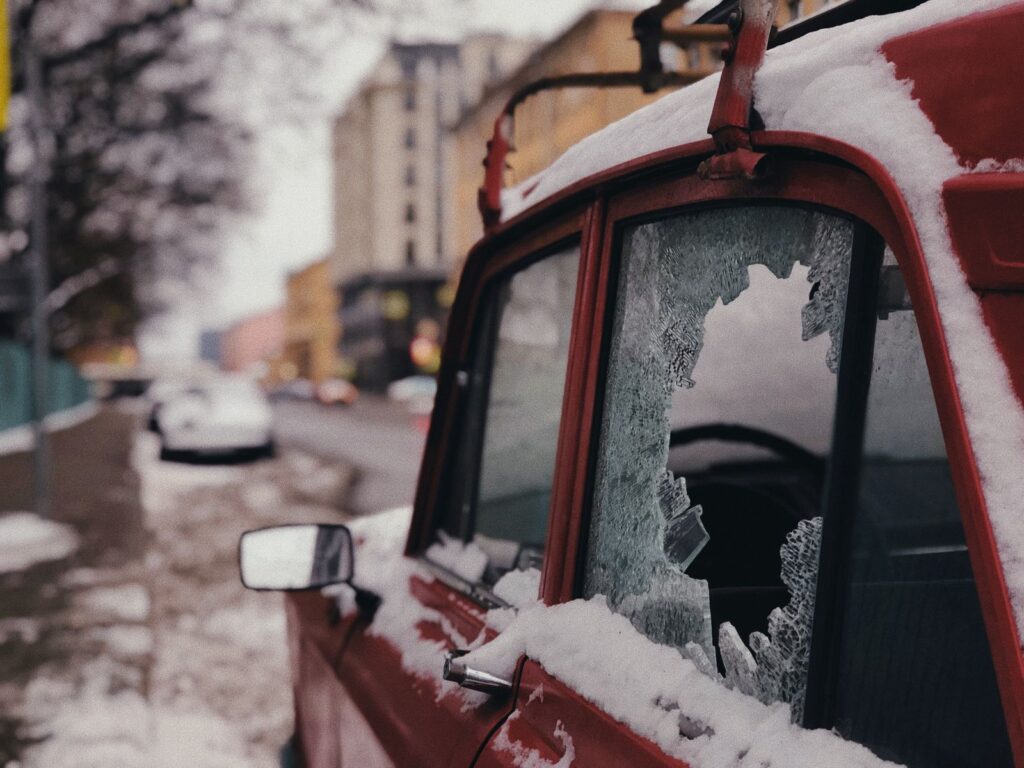
The September Pattern Police Keep Documenting
What changes in late August and September isn’t the criminal element, it’s the inventory. School lots pack with cars sitting for six, seven, eight hours a day. Office garages that thinned out over summer refill as commuting schedules snap back. Law enforcement analytics firm ForceMetrics, which works with departments on seasonal crime planning, notes that fall break-ins concentrate “near schools, athletic fields, and shopping areas where people gather after work or school,” and that shorter daylight hours hand thieves more cover earlier in the evening. Little Rock’s numbers back that up on a local level: the department documented break-ins climbing from 81 to 149 in a single comparable month, with jumps concentrated in specific patrol divisions rather than spread evenly, which is exactly what you’d expect if the driver is parking density rather than a citywide crime wave. KATV’s report on the department’s data quotes officers pointing to one overwhelming factor behind the spike: unlocked doors.
What Thieves Are Actually Targeting
The NICB’s own investigators describe a pattern of split-second decisions, not planned heists. In Lubbock, an investigator described offenders breaking windows over bags that turned out to be empty, because from outside the car there was no way to know that. Visibility is the whole game. Santa Clara, California police found something more targeted during their own burglary surge: thieves using phone apps and Bluetooth scanners to detect laptops and electronics sitting inside parked cars before ever touching a door handle, according to CBS News San Francisco’s coverage of the department’s warning. That’s the modern version of the same old rule: anything visible through glass is an invitation, whether it’s a backpack, a charger cable coiled on the seat, or a laptop bag tossed in the back.
What the Data Says Actually Reduces Risk
The NICB’s prevention guidance isn’t a marketing checklist, it’s built from the recovery and loss data the organization tracks across member insurers. The bureau’s own numbers show that reporting a theft immediately, rather than waiting, increases the odds of recovery within the first 24 hours by 34%, a gap large enough that minutes matter. Its layered prevention advice is blunt: park in well-lit areas, roll up windows completely, lock doors every single time, and never leave a vehicle running unattended, even for “just a few minutes” at a gas station, which is precisely the habit a Little Rock officer called out as the biggest driver of that city’s spike. None of this is exotic. A steering wheel lock or an audible alarm can also qualify a policyholder for an insurer discount, which tells you something about how insurance companies themselves weigh the data on what actually cuts claims.
The Brands and Places Carrying the Most Risk
Nationally, Hyundai and Kia models account for roughly 14% of all vehicle thefts tracked by the NICB in 2025, with the Hyundai Elantra topping the most-stolen list, and the bureau flags California, Texas, Illinois, and Florida as the states carrying the heaviest theft volume, with Los Angeles, Houston, and Chicago posting the highest metro-area rates. Twenty-one percent of stolen vehicles in 2025 were never recovered at all. Break-ins skew the picture further toward density rather than brand, since a thief peering through a window doesn’t care what badge is on the trunk, only whether there’s a bag on the seat.
The pattern holds because the underlying cause never really changes: more cars sitting in lots for longer stretches, with more stuff visible inside them, for more hours a day, starting the week school reopens. Departments from Texas to Arkansas to California are describing the same seasonal math from different zip codes, and the fix costs nothing but a habit.