

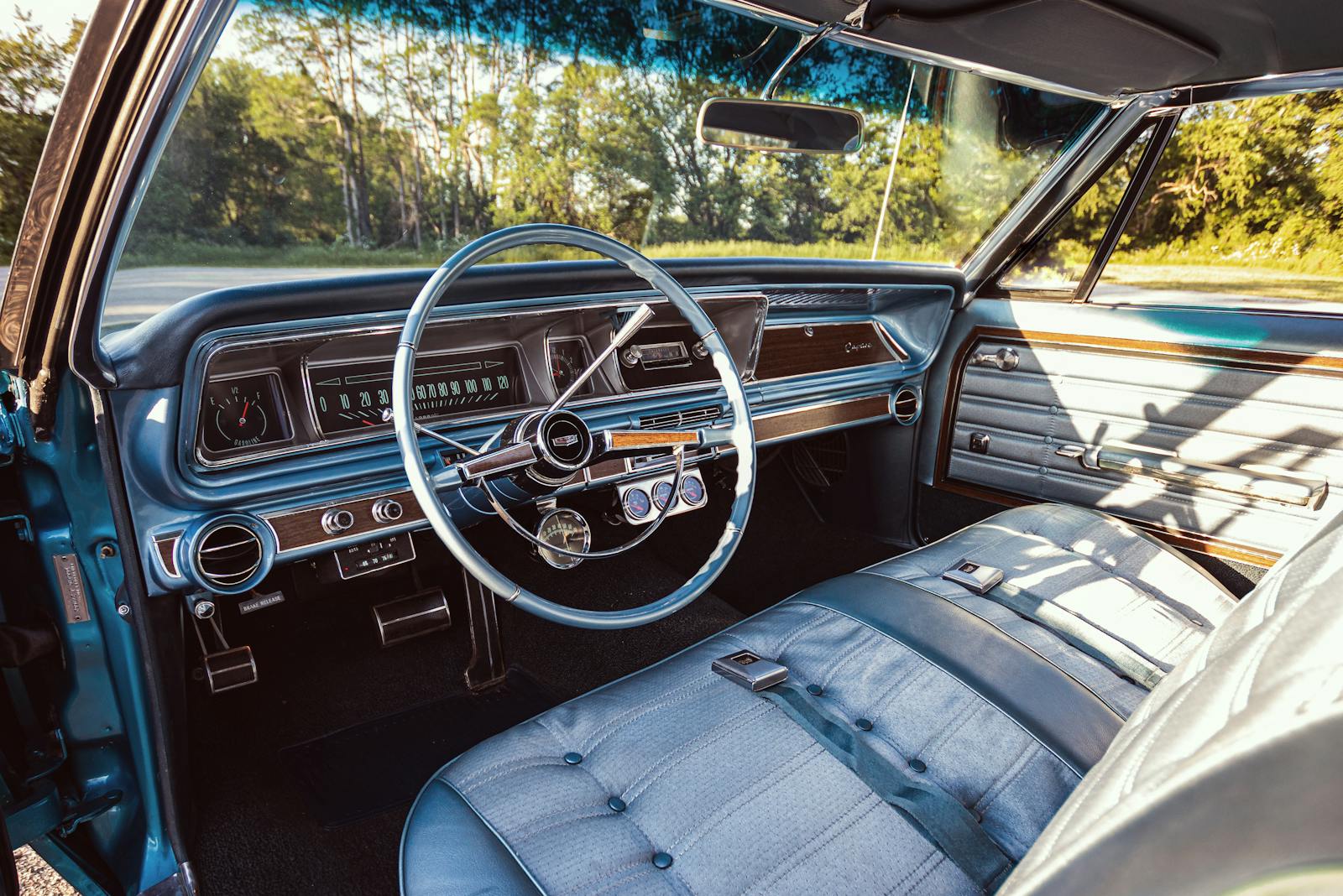
The 2022 Chevrolet Camaro has been receiving a wave of criticism from automotive enthusiasts, sparking a heated debate over its design and performance. This scrutiny affects not only Chevrolet’s reputation but also car buyers’ perceptions as they consider their next vehicle. As the automotive landscape shifts, understanding why the Camaro, a once-cherished muscle car, faces such disdain is crucial for consumers and industry analysts alike.
Background on the Chevrolet Camaro
First introduced in 1966, the Chevrolet Camaro quickly became a symbol of American muscle car culture. The 2022 model year marks the final production run of the sixth generation, which began in 2016. With a lineup featuring a range of powerful engines, including a 275-horsepower four-cylinder and a 650-horsepower V8, the Camaro has long been a favorite among performance enthusiasts. However, recent models have garnered less enthusiasm from car aficionados, leading to a decline in sales and increased criticism.
Sales Decline and Market Competition
In 2022, Chevrolet sold approximately 20,000 Camaros, representing a significant drop compared to its peak sales of over 80,000 units in 2015. This decline can be attributed to several factors, including intense competition from rivals like the Ford Mustang and Dodge Charger, which have both seen a resurgence in popularity. Additionally, the growing market for electric vehicles (EVs) has diverted attention away from traditional internal combustion engines, leading some enthusiasts to question the relevance of the Camaro in today’s automotive world.
Design Choices Under Fire
One of the primary reasons the 2022 Camaro has faced backlash is its design. Critics argue that the Camaro’s exterior has become stale and lacks the aggressive styling that originally attracted buyers. While the sleek lines and muscular stance are still present, many feel that it does not evoke the same excitement as its predecessors. Furthermore, the interior has been criticized for its use of low-quality materials and a confusing infotainment system, which detracts from the overall driving experience.
Performance Comparisons
Performance is a significant factor in the muscle car segment, and the Camaro has also faced criticism in this area. While the car is undoubtedly powerful, some enthusiasts argue that the driving experience does not match the performance figures. Comparisons with the Ford Mustang GT and the Dodge Challenger reveal that these competitors offer more engaging handling and a more thrilling ride. As car guys often prioritize performance, these shortcomings have led to increased scrutiny of the Camaro’s capabilities.
The Impact of Electrification
The shift towards electrification in the automotive industry has also contributed to the Camaro’s negative perception. With brands like Ford unveiling electric variants of their iconic models, such as the Mustang Mach-E, some car enthusiasts believe that Chevrolet is falling behind. Critics argue that the Camaro needs to evolve to include hybrid or fully electric options to remain relevant in a changing market. The absence of such innovations has led to feelings of frustration among fans who want to see the Camaro adapt to modern automotive trends.
Defending the Camaro’s Legacy
Despite the criticisms, many enthusiasts defend the Camaro, arguing that its performance and heritage still hold significant value. The 2022 model still offers impressive acceleration and handling, with specialized performance packages available for those seeking a more track-focused experience. Furthermore, the Camaro remains one of the few muscle cars that can be customized extensively, allowing owners to tailor their vehicles to their personal preferences, which is an attractive feature for many car enthusiasts.
Consumer Sentiment and Future Outlook
As the automotive industry shifts towards electrification and sustainable practices, consumer sentiment regarding the Camaro is evolving. Many potential buyers are seeking vehicles that blend performance with efficiency, and while the Camaro has historically excelled in the performance category, its future is uncertain. To regain the trust of car enthusiasts, Chevrolet must consider incorporating hybrid or electric options in future models, potentially revamping the Camaro to meet modern expectations.
Conclusion: The Need for Change
The 2022 Chevrolet Camaro has faced unfair hate from car guys for various reasons, including design stagnation, performance comparisons, and the implications of electrification. While it still boasts impressive capabilities and a rich history, the current market demands innovation and adaptation. As consumers look for vehicles that align with their values, Chevrolet must act swiftly to address the Camaro’s shortcomings. To ensure the Camaro remains a beloved option in the muscle car segment, it is crucial for Chevrolet to respond to feedback and evolve its offerings. Car enthusiasts and potential buyers alike should voice their opinions and demand change from manufacturers to keep the spirit of American muscle alive.