

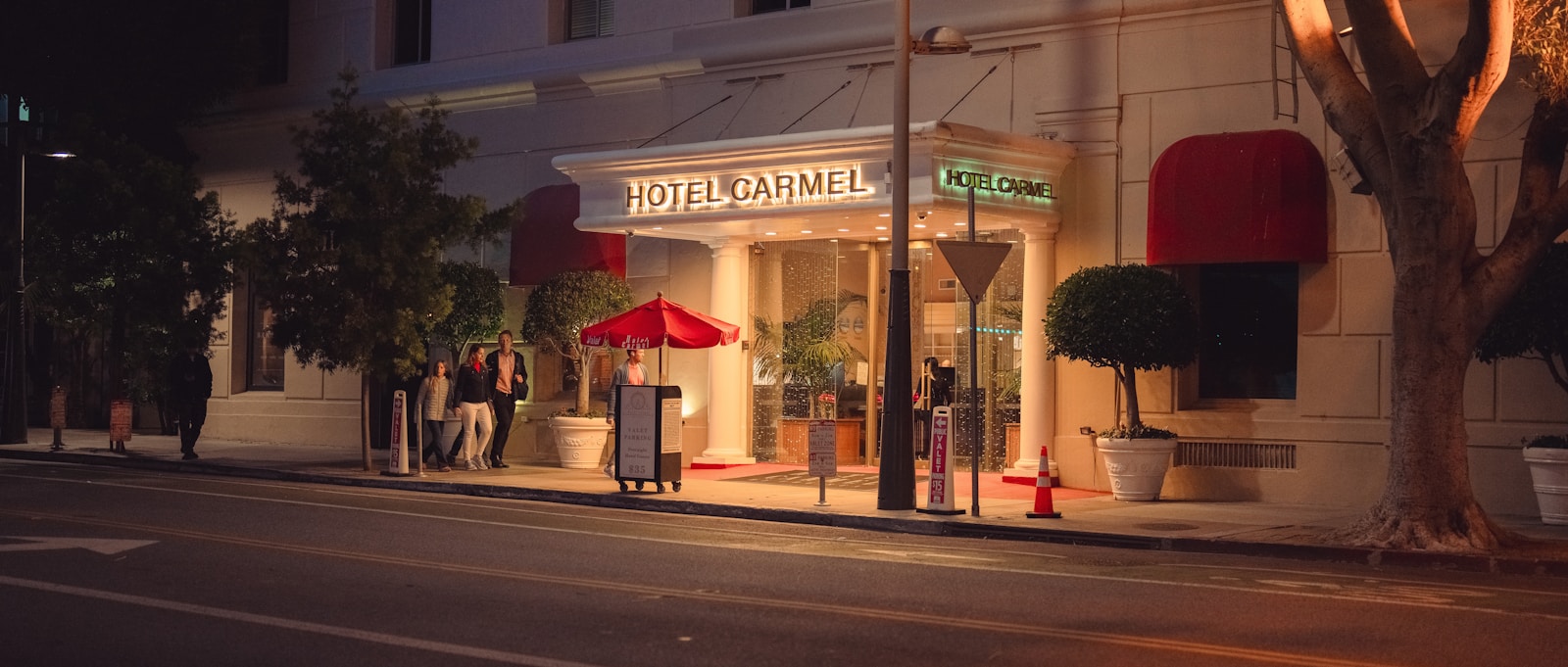
She wasn’t snooping, not in the dramatic “I found his burner phone in a sock drawer” way. She was doing the boring, married-adult thing: digging through the center console of her husband’s truck for the garage clicker because they were already running late and he’d tossed it “somewhere” again. Receipts, a crumpled fast-food napkin, two mismatched sunglasses, and then a stiff little rectangle of paper that didn’t belong with the rest.
It was a valet ticket. Not from the downtown restaurant they sometimes went to, not from a concert venue. A hotel. Printed logo at the top, date and time clearly stamped, and a scribbled number across the bottom like it had been ripped off in a hurry. She stared at it longer than she wanted to admit, because suddenly the inside of the truck felt less like clutter and more like evidence.
Her husband was in the kitchen, rinsing a coffee mug like he had all the time in the world. When she walked in holding the ticket between two fingers, the way you hold something you don’t want to touch too much, his face did that tiny shift people swear you can’t notice. But you can. Especially when you’ve been married long enough to know what his “nothing to see here” looks like.
The ticket that didn’t fit their life
She didn’t come at him yelling. She just asked, “What’s this?” and put it on the counter near his mug. The hotel name sat there in bold letters, the kind of place with a lobby bar and a rotating pastry case, not the kind of place you accidentally end up unless you meant to.
He picked it up like it was junk mail, scanned it, and said, “Oh, that. I was just parking for a friend.” He didn’t look up when he said it, which was its own little flare gun. She waited for him to elaborate, because people who are telling the truth usually rush to fill in details, and people who aren’t tend to keep it vague and hope you’ll move on.
“Which friend?” she asked, still calm, still giving him a clean runway to land this explanation. He shrugged and said a name—someone she knew, but not someone her husband was particularly close to. Then he added, like it made it more believable, “He was running in to grab something, and it was raining, so I just… did him a favor.”
That’s when the ticket started to feel heavier. Because the date wasn’t last month or some hazy time where memories get fuzzy. It was three days ago. And three days ago, her husband had told her he was working late because a project “blew up,” and he’d come home smelling like cologne he didn’t normally wear, chalked up to “someone in the office was sampling stuff.”
“Just parking” turns into a whole story
She asked how long he was there. He said, “Not long,” the universal answer of people who don’t want to say ten minutes or two hours. She asked why he needed valet if he was only there briefly, and he said it was “the only option,” even though she knew that hotel had a self-park garage because her cousin had stayed there for a wedding.
Now he was talking faster, weaving little add-ons onto the original claim. The friend’s car was “in the shop,” so the friend had asked for a ride. The friend “didn’t want to get soaked,” so he’d hopped out under the awning. The valet guy had “waved him forward,” and it was easier to just hand over the keys than argue.
She watched him build the story like someone stacking books in a hurry—anything to cover the gap. The problem was that the pieces weren’t clicking. If he was doing a quick favor, why was the ticket shoved so deep in the console it looked like it had been intentionally buried under old receipts?
When she asked if he still had the text from the friend asking for help, he laughed once, sharp and defensive, and said, “Why are you interrogating me?” It was the first time his tone changed from casual to offended. And offense, she realized, was the shield he was choosing instead of clarity.
She checks the timestamp and he checks out
She went back to the ticket and actually read it out loud: the date, the exact time the truck was checked in. Early evening, right when he’d supposedly been buried at work. She asked him where he’d told her he was at that moment, and he didn’t answer immediately—just stared at the counter as if a better version of the past might appear if he concentrated hard enough.
Then came the pivot. He said she was making a big deal out of nothing, that she was “looking for problems.” He said he couldn’t believe she didn’t trust him, which was a neat little trick: turning her question about a hotel valet ticket into a referendum on her character.
She tried to keep it narrow. “Okay,” she said. “Call him. Right now. Put it on speaker. If it’s nothing, it’ll take thirty seconds.” That’s when his body language did the thing people talk about—shoulders tight, jaw clenched, suddenly very interested in pacing the kitchen like he needed movement to keep the lie from collapsing.
He didn’t call. He said the friend was probably busy. He said it would be weird to drag him into their marriage. He said, “You’re acting crazy,” and the moment that word landed, she stopped feeling like this was a misunderstanding. Misunderstandings don’t require name-calling to hold them together.
The little inconsistencies start piling up
Once the door opened, she couldn’t stop noticing the other small weird things that had been filed away under “marriage stuff.” The extra shower before dinner. The phone always face-down lately. The sudden insistence on doing his own laundry, which she’d interpreted as him trying to be helpful but now looked suspiciously like someone guarding pockets.
She asked him what he meant by “parking.” Did he physically hand the truck to valet and go inside, or did he wait outside while the friend went in? He answered one way, then corrected himself, then said she was twisting his words. But she wasn’t twisting anything; she was holding him to the shape of his own story.
At one point he tried to grab the ticket back and toss it, like getting rid of the paper would rewind the conversation. She pulled it away, and that tiny physical moment—her hand tightening, his reaching—made the whole thing feel uglier. Not violent, just desperate. Like two people yanking on opposite ends of the same reality.
She asked, quietly, if he’d been meeting someone at the hotel. He rolled his eyes in a way that would’ve been almost funny if it didn’t make her stomach drop. “You think I’m cheating because of a valet ticket?” he said, loud enough that it felt like he wanted the neighbors to hear how ridiculous she was being.
What she does next isn’t dramatic, just deliberate
She didn’t start screaming or throwing his stuff on the lawn. She did something worse for him: she got quiet and methodical. She took a picture of the ticket with her phone, front and back, because she suddenly understood how fast “evidence” can disappear in a shared house.
Then she asked for his phone. Not to keep forever, not to comb through ten years of messages like an archaeologist. Just to look at that day, that time, that friend’s thread. He said no. He didn’t say, “Sure, here,” like someone with nothing to hide; he said no like the question itself was an intrusion.
She told him, “If it’s innocent, you can clear it up in five minutes.” And he hit her with the oldest line in the book: “I shouldn’t have to prove anything.” Which sounded principled until you remembered this wasn’t a courtroom, it was a marriage, and he wasn’t being asked to prove a philosophical point—he was being asked to explain why his truck was valet-parked at a hotel when he said he was at work.
He walked out to the garage “to take a breather,” leaving her in the kitchen with the ticket and the cold coffee smell. She stood there listening to him rummage in the truck, which felt like an entire conversation by itself. Not a breather. A cleanup.
When he came back in, he acted like he’d reset the whole scene. He tried to joke, tried to lighten it, tried to move on to what they were having for dinner. She didn’t bite. The valet ticket sat between them like a third person at the counter, quiet and undeniable.
By the end of the night, nothing was resolved. He stuck to “parking for a friend,” but refused to call the friend, refused to show the messages, refused to explain the timestamp in any way that matched the story. She went to bed with her phone on her nightstand and the photo of that ticket in her camera roll, staring into the dark and realizing the worst part wasn’t the hotel—it was how easily he’d tried to make her feel unreasonable for noticing it.