
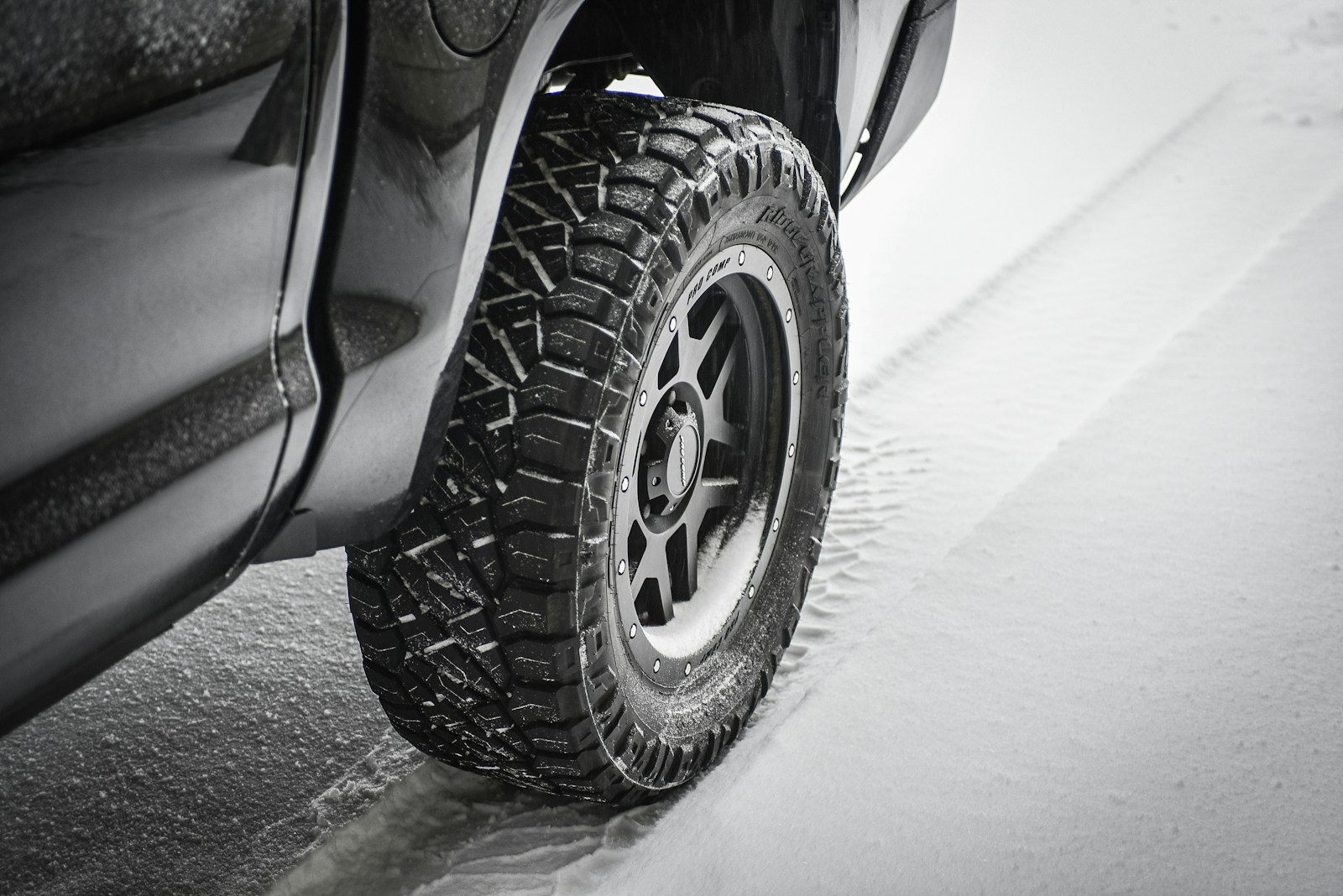

Only three states in the country have no tire chain or traction device law on the books at all: Florida, Hawaii, and New Hampshire, according to a state-by-state legal breakdown compiled by World Population Review. That means 47 states have some version of a rule sitting in their statutes, and 15 of them, including Colorado, Washington, Oregon, and California, spell out specific tire and chain requirements rather than just permitting devices when a driver chooses to use them. What almost nobody realizes until they’re stuck behind a checkpoint is how differently each state punishes getting caught without the right equipment, and the gap between the cheapest and most expensive version of that mistake is enormous.
Colorado Charges a Completely Different Price for Blocking the Road
Colorado runs two separate winter rules on mountain corridors like I-70: a Passenger Vehicle Traction Law requiring adequate tires or tread, and a stricter Passenger Vehicle Chain Law reserved for the worst storms. Getting caught without the required equipment normally draws a $100 fine plus a $33 surcharge, according to the Colorado Department of Transportation. But if an unequipped vehicle ends up blocking a travel lane or contributing to a road closure, that fine jumps to $500 plus a $157 surcharge, a five-fold increase for the same underlying violation once it inconveniences other drivers.
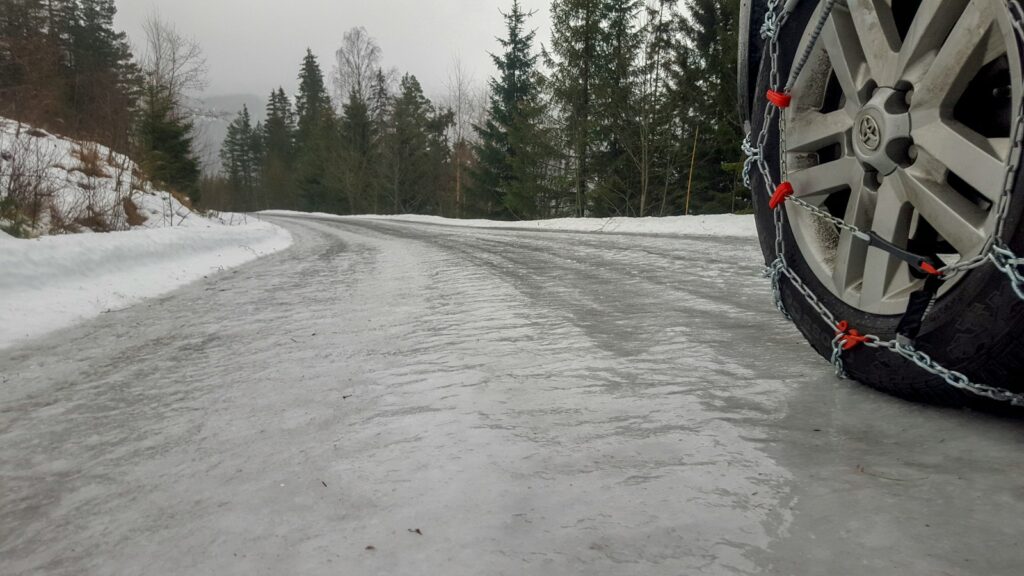
Oregon Classifies It as an Infraction, Then Escalates for Trucks
Oregon’s chain and traction tire rules apply whenever signs are posted on state highways, and the requirements shift depending on a vehicle’s weight and whether it’s towing, per the Oregon Department of Transportation. A driver who ignores the posted signs faces a Class C traffic infraction, a category that state legal guides put at up to $500 depending on the county’s presumptive fine schedule. Commercial drivers face a harsher Class A traffic violation for the same failure to carry or use chains, meaning the same missed requirement carries a materially different price tag depending on what’s parked in the driver’s seat.
Washington Runs Two Different Deadlines With Two Different Consequences
Washington enforces a hard studded-tire cutoff every year: legal from November 1 through March 31, and a citation carrying a $137 fine the day after, according to WSDOT’s own public notice. That’s a separate rule from the state’s mountain pass chain requirements, where WSDOT’s chain policy lets troopers simply stop unequipped vehicles from proceeding into a chain-required zone rather than only writing a ticket. In other words, Washington doesn’t just fine you, it can turn you around, which functions as its own kind of penalty that a flat dollar figure doesn’t capture.
California Never Actually Publishes a Statewide Fine Amount
California’s system is built around three escalating chain-control levels, R-1, R-2 and R-3, that the California Department of Transportation posts at mountain checkpoints depending on storm severity, with R-3 requiring chains on every vehicle with no exceptions. The California Highway Patrol’s own chain control page lays out the tire and speed requirements in detail but stops short of publishing a specific statewide fine amount for skipping the requirement, leaving drivers who search for the number before a trip with less clarity than Colorado or Oregon drivers get from their own state sites.
Most States Allow the Same Equipment Without Ever Requiring It
The remaining 32 states with some form of chain law on the books, according to the same World Population Review breakdown, simply permit chains or traction devices when drivers choose to use them rather than mandating anything by statute. That includes states that see meaningful snow, like Tennessee, Virginia, and New York, where the law exists mainly to clarify that using chains won’t get you pulled over for tire damage to the road, not to force anyone’s hand the way Colorado or Oregon do.
The Pattern Worth Remembering Before a Road Trip
What separates these states isn’t whether winter traction law exists, since it does almost everywhere in some form, but how aggressively each one is willing to enforce it and how transparent each one is about the cost of getting it wrong. A driver crossing from Washington into Oregon and then into Colorado in the same week could face a $137 flat fine, an infraction with a fine that depends on the county, and a penalty that quintuples the moment traffic backs up, all for versions of the same mistake. Checking the specific state DOT page before a winter trip matters more than most drivers assume, because the rulebook changes at every border.