
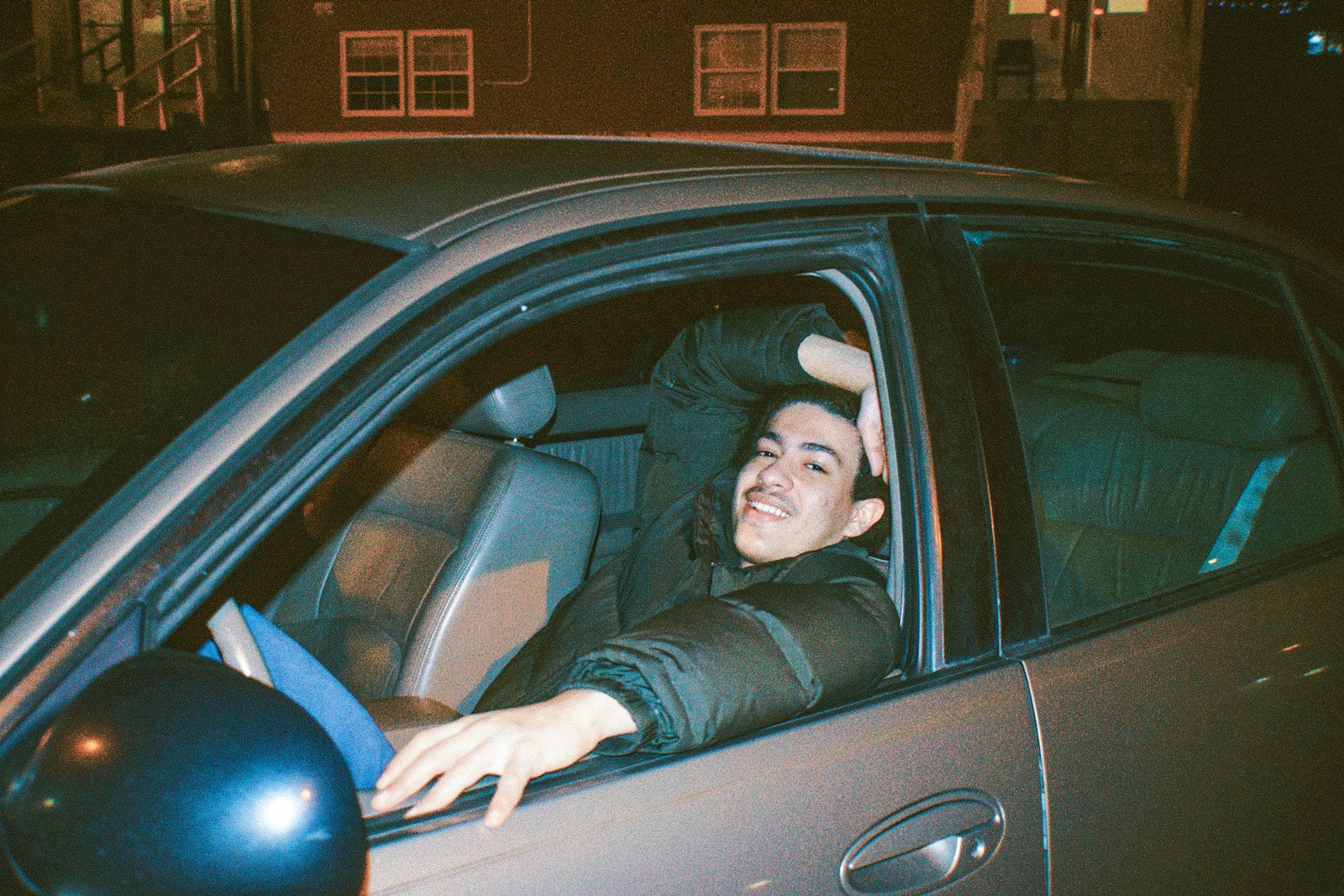

She’d been doing all the little post-breakup chores the way people tell you to: change the streaming passwords, box up the hoodie you still accidentally sleep in, delete the shared grocery list that keeps haunting your phone with “oat milk??” reminders. The car didn’t even register as one of those chores, because why would it? It was her car, in her apartment lot, under the same dim security light that flickered like it hated everyone equally.
The ex wasn’t some random fling, either. They’d dated long enough that he knew the rhythm of her life—what time she got home, which neighbor always smoked on the stairs, how the passenger seatbelt liked to get twisted. The breakup had been messy but not explosive, the kind where you tell yourself you’re being “mature” because you’re not screaming, even though your stomach still drops every time his name appears anywhere.
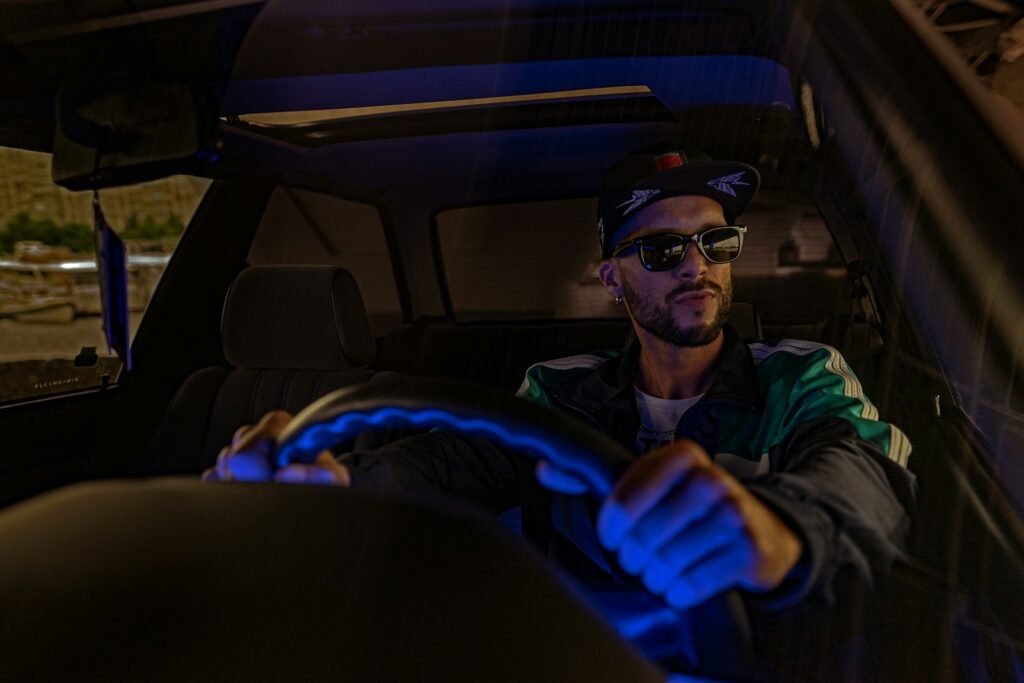
Then she checked her dashcam footage one night for the dumbest reason. She’d parked a little crooked and wanted to see if she’d actually bumped the curb, because she’d heard a thud and spent the whole next day imagining she’d cracked something expensive. Instead, she saw the inside of her own car lit up by the dashcam’s grainy night mode—and a person sliding into the driver’s seat like it belonged to him.
The Dashcam Clip That Didn’t Make Sense
At first glance, her brain tried to normalize it. Maybe it was her, coming home late. Maybe the dashcam timestamp was wrong. Maybe she was sleep-deprived enough to hallucinate an entire adult man sitting in her car at 1:13 a.m.
But the posture was too familiar: shoulders slightly hunched forward, elbows braced on his knees like he was thinking hard. He wasn’t rifling through the glove box or rummaging under the seats. He just… sat there, in the dark, facing the windshield.
The dashcam audio picked up small sounds—fabric shifting, a muted exhale, the faint click of the door shutting. And then nothing, just long minutes of stillness. It was the kind of quiet that feels louder when you’re watching it on a screen in your kitchen, with your own car sitting outside like a prop from a horror movie you didn’t agree to be in.
She scrubbed back and watched it again, pausing on his face when the infrared made his features look washed out and ghostly. It was him. Same haircut he’d had when they broke up, same jacket he always wore when it got cold.
“Do You Still Have a Key?”
She texted him because that’s what people do when they’re scared but still trying to be reasonable. Nothing accusatory at first, just a tight message asking if he still had a key to her car. She told herself there was some innocent explanation—maybe he’d needed to grab something he’d left behind, maybe he’d panicked and did something weird instead of just asking.
His response didn’t come right away, which made her whole body feel like it was leaning forward, waiting. When he finally replied, it wasn’t denial. It was a question: “Why?”
That single word flipped the situation from “misunderstanding” to “he’s buying time.” She sent him a screenshot from the footage—just enough to make it clear she wasn’t guessing. His next message tried to sound casual, like he was mildly annoyed at being bothered. Yeah, he still had a key. He’d “forgotten” to give it back.
She asked what he was doing in her car at night, and that’s when the explanations started coming out in chunks, as if he was testing which version she’d accept. He said he’d been “in the area.” He said he was “having a hard time.” He said he “just needed a place to sit for a minute.” Not a place like a bench or a coffee shop or his own car—her car, specifically, like it was a comfort object he could crawl into when he missed her.
The Details That Made It Worse
Once she knew to look, she started noticing things that had been bothering her without landing anywhere concrete. The driver’s seat had been moved back farther than she set it. The mirror angles were slightly off. There was a faint, stale scent of cologne that she’d assumed was lingering from their relationship, except it seemed stronger some mornings than others.
She pulled up more dashcam clips and found it hadn’t been a one-time lapse. He’d been there on different nights, sometimes for five minutes, sometimes for almost half an hour. In one clip he used the overhead light briefly, like he was checking something in his hands, then turned it off quickly as if the brightness made him suddenly aware of how wrong it was.
The weirdest part was how careful he was. He didn’t slam doors or leave trash. He didn’t tear through the console. He looked like someone trying to borrow a life he’d lost without leaving fingerprints.
That restraint didn’t make it less scary. It made it scarier, because it suggested he’d thought about this—about how to get in and out without anyone noticing, about how to use her car as a private space that still felt connected to her. The car wasn’t just transportation anymore. It was a boundary he’d decided didn’t apply to him.
Locksmiths, Spares, and the Awkward Logistics of Fear
Her first instinct was to go outside and check the car immediately, but she didn’t. She stood at her window for a long time, watching her own vehicle like it might move on its own. The rational part of her knew he wasn’t in there right then; the irrational part kept picturing his silhouette in the driver’s seat, perfectly still, waiting for her to come down.
She called a friend because doing anything alone suddenly felt like volunteering to be in the next clip. The friend came over with that specific kind of energy people bring when they’re trying to stay calm for you but are also furious. Together they went down to the lot in daylight, checked under the seats, opened every compartment, and found nothing obvious—no tracker, no hidden phone, no creepy “souvenir” left behind.
But the key problem didn’t have a quick fix. Modern car keys aren’t just keys; they’re little computers. She learned, fast, that “changing the lock” meant reprogramming the car so any existing fob wouldn’t work. The dealership quoted a number that made her laugh in disbelief and then immediately stop laughing because this wasn’t funny.
She did it anyway. She also bought a steering wheel lock, not because it solved the real issue, but because it made her feel like she was doing something physical—adding weight and metal between herself and the idea of him inside her space. Then she started triple-checking her apartment door like she’d forgotten how to trust a deadbolt.
When She Confronted Him, He Acted Like She Was Cruel
He didn’t take the loss of access well. After she got the car re-keyed, he messaged again, more emotional this time, saying he felt “betrayed” that she didn’t talk to him first. As if the correct etiquette for catching your ex sneaking into your car at 1 a.m. is to schedule a sit-down about it.
He tried to reroute the conversation into feelings. He said he was struggling. He said he missed her. He said he’d never hurt her. That last line landed especially badly, because it revealed the part he still didn’t understand: whether he intended harm wasn’t the point. He was already doing it.
She told him she had footage, multiple nights, and she needed him to leave her alone. He pivoted to defensiveness, insisting he “didn’t do anything,” like the absence of theft made the entire behavior harmless. The calmness of his arguments—how he wanted credit for not escalating further—made her skin crawl in a way that was hard to explain to anyone who hadn’t had their boundaries treated like optional suggestions.
She considered going to the police, but she hesitated in the way a lot of people do when the paperwork and uncertainty feel like another battle. Would they take it seriously if nothing was stolen? Would it turn into a he-said-she-said mess? Would it poke the bear, and would the bear decide to get louder?
In the end, what haunted her wasn’t just the clips of him sitting in the driver’s seat like it was a confession booth. It was the idea that he’d had access for who knows how long, and she’d been walking past her car every day like it was just a car. Now it felt like a room he’d entered without permission, and even after the keys were wiped and replaced, she still caught herself glancing at the windshield at night, half-expecting to see that familiar hunched shape—patient, quiet, and convinced he belonged there.
More from Steel Horse Rides: