
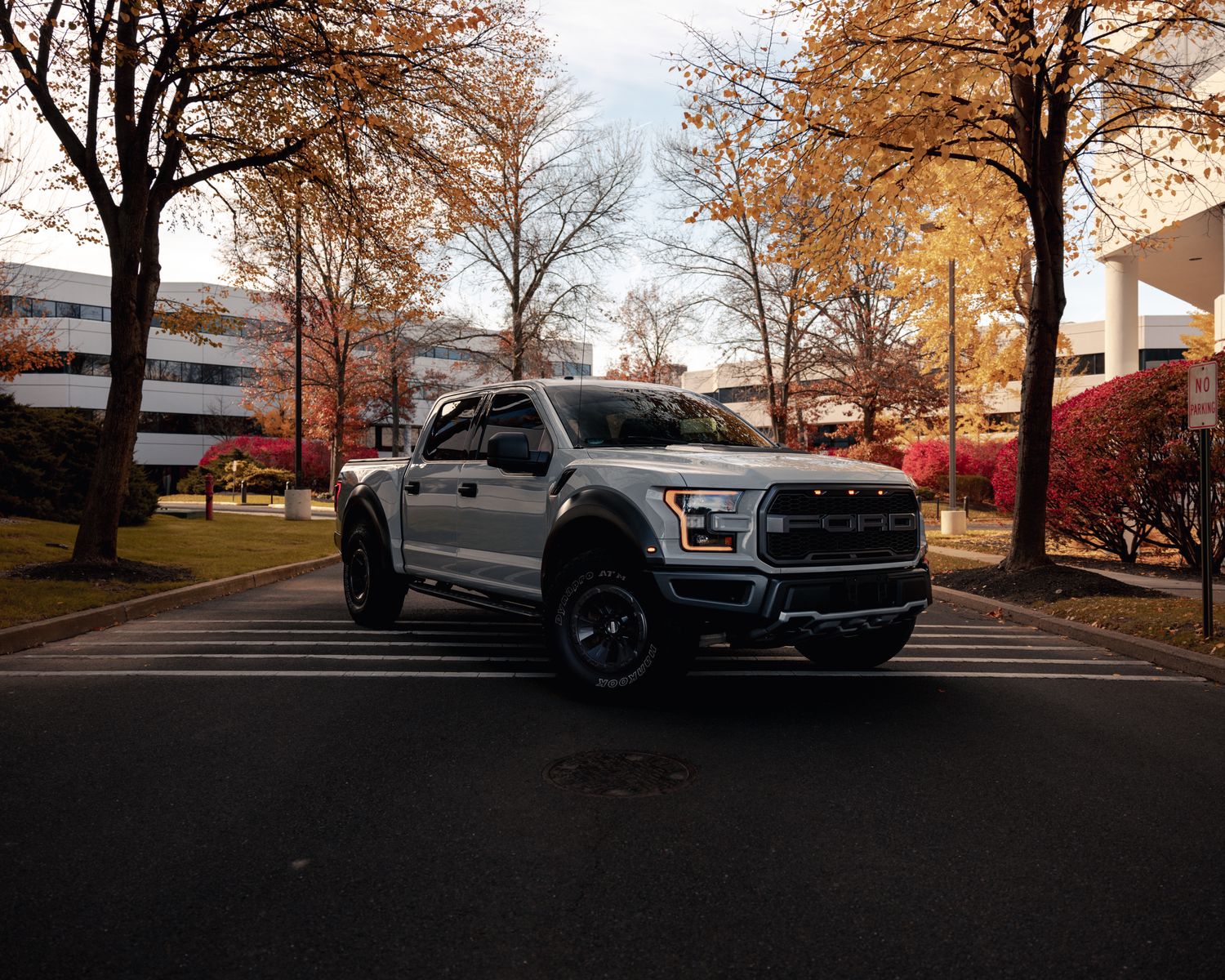

It started as one of those tiny, annoying things that would’ve been easy to brush off if she hadn’t already had that low-grade, can’t-quite-name-it feeling in her gut. Her husband had been weird with his truck lately—locking it even in their own driveway, keeping the keys in his pocket in the house, stepping outside to “grab something” and taking longer than made sense.
She didn’t go digging because she wanted drama. She went digging because he’d started treating ordinary questions like accusations. “Where were you?” got answered with “Why are you interrogating me?” and “Can I borrow your truck?” got met with a flat “No,” like she’d asked to borrow his toothbrush.
So the day he left for work and forgot the spare key on the kitchen counter, she did what a lot of people do when they’ve been made to feel crazy: she went looking for something solid. Not even proof, necessarily—just a reason she could point to and say, See? I’m not imagining this.
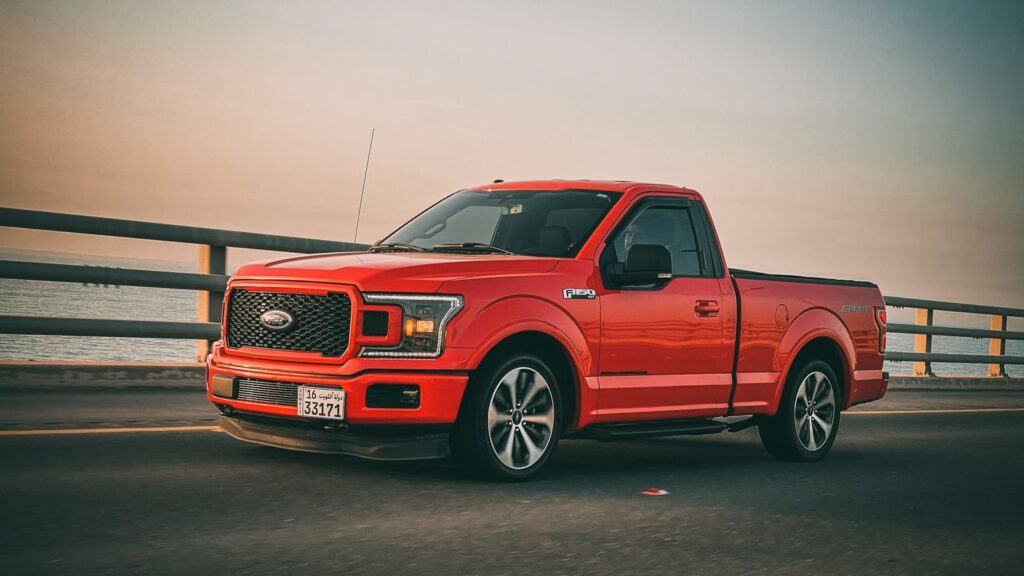
The truck felt like a different place
She walked out to the driveway with the spare key in her palm, half expecting to feel ridiculous the second she opened the door. Instead, she got hit with the weirdest wave of déjà vu—like she was stepping into someone else’s routine. The seat was pushed back farther than he usually kept it, and the passenger-side floorboard was cleaner than the driver’s side, like someone had been careful about where they put their feet.
Nothing screamed “affair” right away. It was mostly normal clutter: a couple of fast-food napkins, a crumpled receipt, a work glove stuffed in the side pocket. But when she opened the center console, she noticed it didn’t have the usual mess of loose change and gum wrappers; it looked curated, like he’d cleaned it recently and left only what he wanted in there.
That’s when she saw the seam that didn’t match. The lining on the inside edge of the console was slightly lifted, just enough to catch a fingernail. She pulled gently, expecting maybe a lost key or a pen, and her fingers hit something smooth and rectangular tucked deeper than it should’ve been.
The second phone wasn’t even trying to be subtle
She slid it out, and for a second she literally didn’t process what she was holding. It was a smartphone—older model, screen dark, no case, the kind you’d buy cheap and keep hidden on purpose. It wasn’t the family phone plan phone, and it sure wasn’t his normal one, the one he left face-down on every surface like it was allergic to being seen.
Her first thought was that it might be for work, some company-issued thing he’d never mentioned. Then she noticed there was no protective sticker, no inventory tag, nothing that said “property of.” Just a phone, charged, and warm enough that it had been on recently.
She did the thing people always swear they wouldn’t do until they’re standing there with proof in their hand: she tried the screen. It was locked, but not powered off. She held the side button and watched it wake up, bright and clean, like someone used it daily and took care of it.
Her hands did that cold, floaty thing as she sat in the driver’s seat with it, like she needed to be inside the truck to understand what it meant. She didn’t even know what she was hoping to find—texts, photos, some obvious smoking gun. But the lock screen gave her nothing besides the time and a plain background.
Then her phone tried to connect to it
She put the mystery phone down and reached for her own, mostly out of reflex. She’d been connecting to the truck’s Bluetooth for years, and her phone usually auto-paired the second she started the engine. She turned the key just enough to power the dashboard, and that familiar little Bluetooth icon popped up on the screen.
Her phone buzzed with a notification: “Bluetooth Pairing Request.” That part was normal—except the name of the device wasn’t the truck. It wasn’t “F-150” or “SYNC” or whatever generic thing manufacturers pick when they give up on creativity.
It was a person’s name. Not her husband’s, not a coworker’s, not anything even vaguely neutral. It was something flirty and specific, the kind of nickname that only makes sense between two people—like “BabyGirl’s iPhone” or “Princess K.” One of those names that isn’t just a name; it’s a declaration.
She stared at it long enough that the pairing request timed out. Then she turned Bluetooth off and on again to make sure she wasn’t hallucinating it. Same thing: the truck was trying to pair to that phone, like it belonged there.
Confrontation, but with receipts
She didn’t call him right away. She took pictures first—of the phone in the console, of the Bluetooth name on her screen, of the truck’s display trying to connect. Not because she was plotting some grand takedown, but because she knew exactly how this conversation would go if she didn’t: he’d deny, then minimize, then accuse her of snooping, and she’d end up doubting herself again.
When he got home, he walked in acting almost normal, which somehow made it worse. He asked what was for dinner, complained about traffic, went to wash his hands like it was any other evening. She waited until he was in the kitchen, then set her phone on the counter and slid the photo gallery toward him without a word.
He didn’t even pretend not to recognize it. His face did this quick, involuntary flicker—the kind you only see when someone realizes the story they’ve been telling themselves is over. He stared at the picture of the second phone like it was a live grenade.
His first move was predictable: “Why were you in my truck?” Not “What is that?” Not “Let me explain.” Just offense, like the real crime was that she’d opened a console in a vehicle parked at their house.
She didn’t argue about the snooping. She just pointed at the Bluetooth name and asked, quiet and sharp, “Who is that?” And that’s where the whole thing cracked, because there isn’t a clean answer to that when the name is basically a pet name broadcasted by technology.
The story changed every thirty seconds
He tried a work explanation first. Said it was a coworker’s phone, left in his truck by accident, he meant to return it. She asked why it was hidden under the console lining instead of sitting on the seat or in the cupholder like every other forgotten phone on earth. He didn’t have anything for that besides a shrug that didn’t match the panic in his eyes.
Then he tried the “It’s old” angle. Like maybe it was his old phone he forgot existed, tucked away and left to die. She asked why the Bluetooth name was a flirty nickname and why the phone was charged and warm like it had been used that day. He opened his mouth, closed it, and stared at the counter like he was trying to find a new script written in the laminate.
She asked him to unlock it. That was the moment he got loud—not yelling exactly, but raising his voice in that defensive way where every sentence is a distraction. He said she was acting crazy, said she was invading his privacy, said she was “trying to start something.”
And she just stood there, steady, and repeated the same request: unlock it. Because if it was harmless, there was no reason not to. The refusal was an answer all by itself.
Finally he admitted it wasn’t his “work phone.” He admitted it belonged to someone he’d been “talking to.” Not sleeping with, he said, just talking, like words don’t count if you keep your clothes on. The Bluetooth name made that harder to sell, though—nobody labels their device “Baby” anything for a guy they’re just chatting with about spreadsheets.
She asked how long. He said a few weeks, then changed it to a few months when she didn’t react the way he wanted. He threw out the classic “It didn’t mean anything,” which sounded especially hollow considering he’d gone to the trouble of buying or keeping an entire second phone and hiding it inside the truck like a teenager hiding cigarettes.
At some point he tried to grab the phone from the counter, and she pulled it back without even thinking. That little motion—his instinct to take it, her instinct to protect it—said more about their marriage than any confession did. They weren’t partners in that kitchen anymore; they were opponents negotiating over evidence.
He ended up leaving the house for a while, not in a dramatic suitcase way, but in that “I’m going for a drive” way that’s supposed to make the other person calm down. She watched him walk out and thought, with this strange clarity, that he was going to the exact place he always went when things got tense: not to cool off, but to regain control of the story.
She didn’t follow him, and she didn’t smash the phone or throw his clothes on the lawn. She sat at the table with her own phone in her hand, staring at that Bluetooth name like it was burned into the screen. Because the hidden phone was bad, but the name was worse—proof that this wasn’t an accident or a misunderstanding, but a whole separate relationship he’d built a small system to maintain.
Later, when he came back, he was quieter, almost careful. He asked if they could “talk.” She said they already had. And the unresolved part—the part that stuck in her chest like a splinter—was that he still hadn’t unlocked the phone, still hadn’t said the person’s real name out loud, and still acted like the biggest betrayal was getting caught rather than doing it. The truck sat outside, perfectly ordinary in the driveway, but it had turned into a place she’d never be able to look at the same way again.
More from Steel Horse Rides: