

She’d done the “responsible adult” thing on her lunch break: swung into a quick-lube place with fluorescent lights, a waiting area that smelled like burnt coffee, and a sign promising she’d be back on the road in 15 minutes. The woman—let’s call her Marissa—wasn’t looking for drama. She just wanted fresh oil before a weekend drive to see her sister, and her dashboard sticker said she was due.
The whole visit felt routine in the way car maintenance always pretends to be. A guy in a polo shirt asked what she drove, tapped on a tablet, and slid a clipboard over for an electronic signature. She watched through the glass as two techs moved around her car like it was an assembly line job, and she scrolled her phone, half-listening to the upsell pitch about air filters.
Then, three days later, her engine made a noise she’d never heard before—like a handful of pennies in a blender—and the car died so fast she didn’t even get the dignity of limping it home. By the end of the week she was staring at a mechanic’s invoice that basically translated to: “Your engine is toast.” And the quick oil change that was supposed to be boring was suddenly the first domino in a messy, personal, months-long fight.
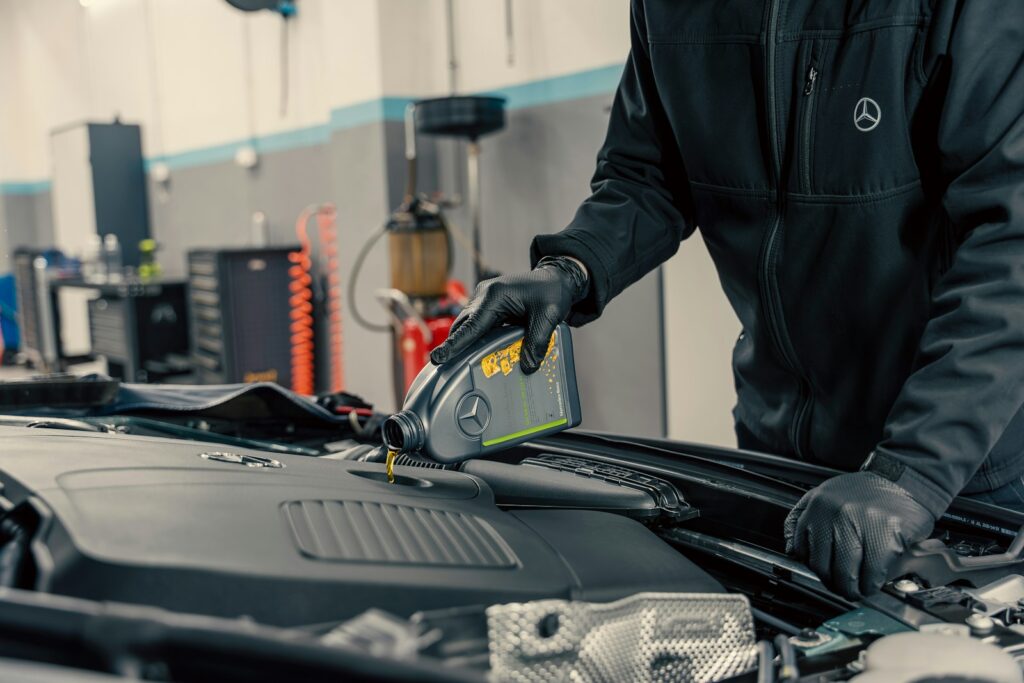
The “15-Minute” Oil Change That Didn’t Feel Wrong—Until It Did
Marissa’s car wasn’t new, but it wasn’t a beater either. It was the kind of mid-mileage commuter car that’s supposed to reward you for doing the basics: oil, tires, brakes, repeat. She’d never had engine issues, and she wasn’t the type to ignore warning lights and hope for the best.
At the shop, everything looked normal from the customer side of the glass. They pulled the car in, lifted it, and went through the motions with practiced speed. When they handed her the keys, she noticed the receipt had a slightly different oil weight than what she remembered using, but the service writer brushed it off like it was nothing.
She drove away with that mild, suspicious feeling you get after any fast service—like you just ate gas-station sushi and you’re waiting to see if you regret it. But the car sounded fine, no lights on the dash, no puddle in her parking spot. If there was a mistake, it wasn’t announcing itself yet.
Three Days Later: The Noise, The Smoke, The Sudden Silence
On the third day, she was merging onto a busier road when the engine started to rattle. Not a squeak or a gentle knock—an immediate, ugly clatter that made her stomach drop. She took her foot off the gas instinctively, and the car responded by losing power like someone pulled a plug.
She got it to the shoulder, hazards on, heart beating hard enough she could feel it in her throat. There was a faint smell—hot, sharp, metallic—and then a wisp of smoke that made the whole situation feel less like “minor issue” and more like “you are about to spend real money.” She called a tow truck instead of trying to restart it, because something in her brain screamed that cranking it again would be like rubbing sand into a wound.
At the independent mechanic she trusted, the first check was the simplest one: oil level. It was low. Not “a little under the line,” but “how is it even running” low. The mechanic’s face did that slow, careful neutral thing people do when they’re about to say something you won’t like.
When he pulled the drain plug to see what came out, it wasn’t the usual dark stream. It was glittery, which is the most horrifying adjective you can apply to a car’s insides. Metal in the oil meant the engine had been eating itself, and now the question wasn’t “what’s wrong,” it was “how did it get this far this fast.”
The Shop’s First Response: “We Didn’t Do Anything Wrong”
Marissa went back to the quick-lube with the tow receipt, the mechanic’s preliminary notes, and that mix of anger and disbelief that makes your hands shake. She wasn’t screaming; she was trying to be precise. The timeline was tight: oil change, a few days of normal driving, then catastrophic failure.
The manager listened the way someone listens when they’ve already decided the answer. He asked if she’d driven it hard, if she’d hit something, if any lights came on, and every question had the same undertone: prove you didn’t do this yourself. When she said her mechanic found almost no oil, the manager’s posture changed—less curious, more defensive.
They offered to “take a look,” which sounded helpful until she realized it meant: bring the car to them, let their techs poke around, and accept whatever conclusion they wrote down. Her mechanic warned her not to surrender the vehicle without documenting everything first, because once it’s been handled by the party you’re accusing, the story gets muddy fast.
So she did what careful people do when they feel the ground shifting under them. She took pictures. She saved every receipt. She wrote down dates and times, including who she spoke to and what they said. It wasn’t because she wanted a lawsuit; it was because she could already feel the shop trying to turn her problem into a shrug.
Paper Trails, “Courtesy Inspections,” and a Fight Over Evidence
The shop eventually agreed to send out an insurance adjuster, which sounded promising until Marissa realized “insurance” doesn’t automatically mean “they’ll take care of you.” It means there’s now a system designed to minimize payouts, and she was walking into it alone. The adjuster asked for maintenance history, oil-change intervals, and whether anyone else had touched the car recently.
Here’s where it got weird: the quick-lube’s internal records showed they’d performed a “courtesy inspection” and everything was “within spec.” The receipt listed oil added, the filter changed, the plug checked. The tone of the paperwork was basically, “We did the job correctly, thank you for your business.”
Marissa’s mechanic, meanwhile, put in writing that the engine failure was consistent with oil starvation. He wouldn’t say “the quick-lube did it” like it was a courtroom drama, but he didn’t have to. The implication hung there: either the oil was never properly filled, it leaked out because something wasn’t tightened, or the wrong part was used and it dumped oil on the road without her noticing.
When she asked the shop for their bay camera footage—the kind that would show whether oil went in, whether the plug was replaced, whether someone rushed and forgot something—they suddenly got cagey. The manager told her footage gets overwritten, or the angle wouldn’t show what she thought, or it’s “not something we release to customers.” The refusal felt less like a policy and more like a door closing.
That was the moment it stopped being about an engine and started being about respect. She wasn’t asking for a free air freshener. She was asking someone to admit a mistake that could cost thousands, and the shop’s entire posture said they’d rather treat her like she was confused than risk being at fault.
The Court Fight Nobody Saw Coming (Including the Shop)
Marissa filed in small claims first because it was the simplest path: no giant legal bills, a chance to lay out the timeline, and a judge who’s seen enough of these disputes to spot the patterns. The shop responded like it was an annoyance, not a threat. They denied everything, hinted that the car was old, and leaned heavily on their paperwork.
But small claims has a ceiling, and Marissa’s numbers didn’t fit neatly under it once the engine replacement estimate came in. She wasn’t talking about a few hundred dollars. She was staring at a multi-thousand-dollar decision: pay out of pocket to get back to work reliably, or leave the car dead and keep fighting.
The “nobody saw coming” part was that she didn’t just argue vibes and timing. She came with documentation that made the case uncomfortable. She had the towing timeline, the independent mechanic’s findings, photos, and, crucially, a written request for footage and service details that the shop couldn’t—or wouldn’t—produce.
In court, the shop tried to keep it simple: they do dozens of cars a day, they have procedures, their techs are trained, and the receipt proves the service was performed. Marissa’s side was messier but more human: “My car was fine, then I trusted you, then it died.” The judge didn’t need a conspiracy; they just needed to decide whose story had more weight.
What really sharpened it was the shop’s confidence that the burden would crush her. They acted like she’d give up once she realized how exhausting it is to chase a business that can hide behind policies and generic documentation. Instead, she kept showing up with more receipts, more notes, and a mechanic willing to explain oil starvation in plain language.
The fight didn’t end with a clean victory montage. There were continuances, back-and-forth filings, and the kind of bureaucratic delays that make you understand why so many people drop things even when they’re right. And the shop didn’t suddenly become apologetic; they stayed in denial, like admitting fault would be worse than letting a judge decide.
By the time it dragged on, Marissa had a car she couldn’t trust, bills she hadn’t planned for, and this exhausting new hobby of learning how liability works when a “routine service” goes sideways. The last update in the story wasn’t a triumphant check being handed over. It was Marissa sitting in the tension of it all: she might win money, she might not, but she’d already lost something harder to replace—her sense that doing the responsible, boring thing guarantees a boring outcome.
More from Steel Horse Rides: