

She didn’t find out because he came clean. She found out because she tried to track down a missing set of jumper cables and ended up opening their shared banking app on his tablet, the one he always forgot to log out of.
There it was: a new monthly payment, neatly labeled and maddeningly vague, like it wanted to blend in with the utilities. Not “rent” or “insurance,” but something that looked like a lender name—one she didn’t recognize—followed by a number big enough to make her stomach do that slow drop. When she asked her husband what it was, he barely looked up from his phone and said, “Oh, that? It’s not what you think.”
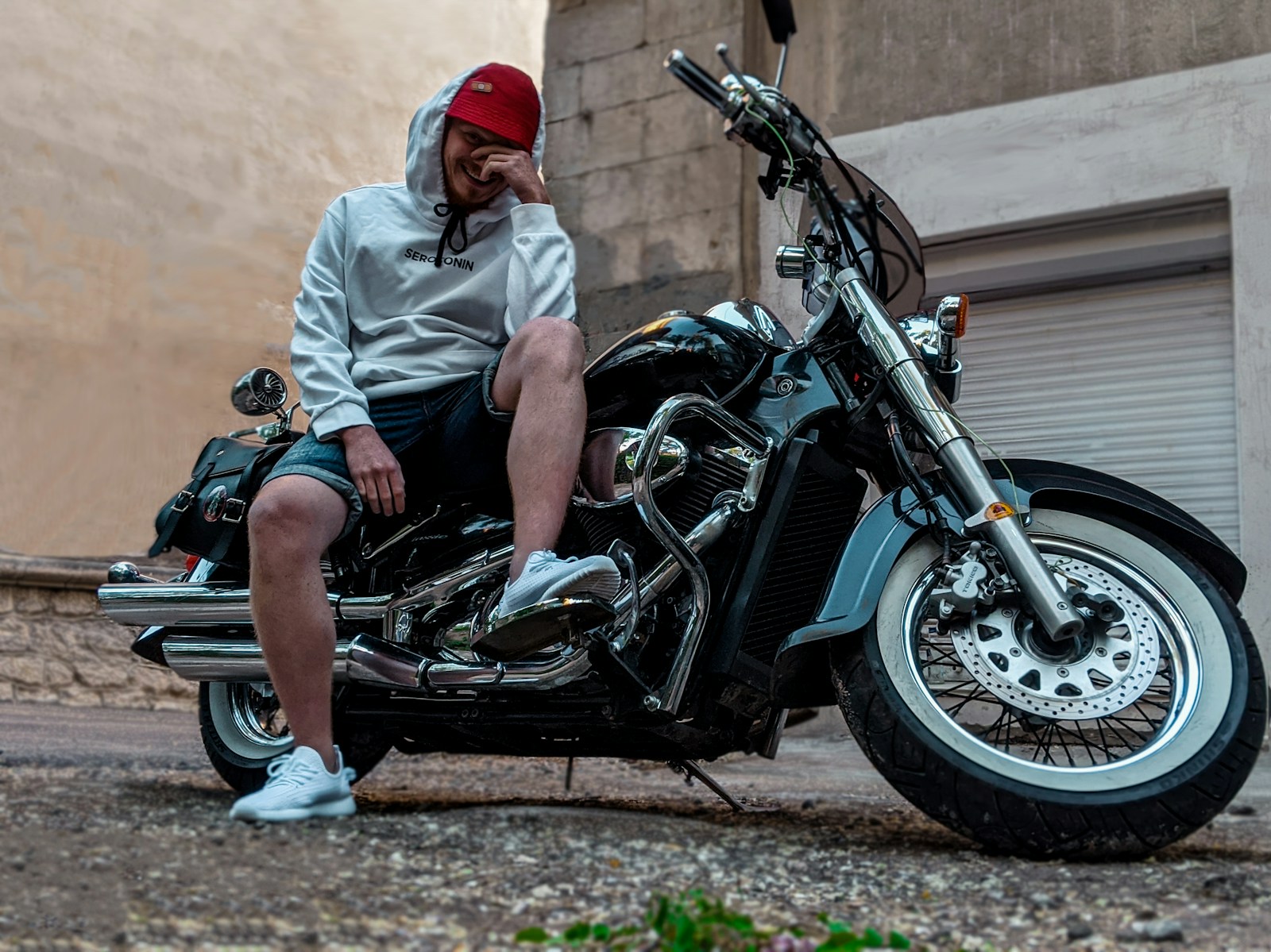
What it was, apparently, was a motorcycle. A full-on, shiny, grown-man dream motorcycle that he’d been keeping in his friend’s garage like it was a contraband pet. And the reason he didn’t think it counted as buying one was because he didn’t “purchase” it—he financed it.

The “We’re Fine” Budget That Wasn’t Actually Fine
The wife wasn’t painting them as broke, exactly. They were in that very specific category of couple where bills get paid, the fridge stays stocked, and every month still feels like it’s held together by calendar alerts and mild anxiety.
They’d had the usual talks about money—nothing too formal, but enough that she felt like big purchases were a “we” conversation. He’d been talking about “being more responsible” lately, which in hindsight was its own little red flag, like someone announcing they’re about to start working out while eating cake.
He also had a habit of soft-launching expensive interests. First it was watching motorcycle videos on the couch with the volume a little too loud, then “just stopping by” a dealership on his lunch break, then leaving browser tabs open for gear and helmets. She’d noticed, but she’d assumed it was fantasy shopping—the adult version of scrolling houses you’re not moving into.
A Payment With No Explanation and a Weirdly Calm Husband
When she asked him about the payment, he didn’t do the usual guilty scramble. He didn’t deny it, didn’t immediately spin an elaborate story. He went with calm, which somehow felt worse, like he’d already rehearsed being right.
He told her it was “nothing urgent,” and when she pushed, he said he’d “handled it.” That word—handled—was what made her sit up. People say “handled” when they’re trying to close a door without letting you see what’s inside.
So she asked a clearer question: “Did you buy something?” He gave her a look that suggested she was being dramatic, then said, “Technically, I didn’t purchase anything.” He paused like he expected her to nod, and then added, “It’s financed.”
That was the moment she realized they weren’t just disagreeing about money. They were disagreeing about reality.
The Motorcycle That Wasn’t in Their Driveway Because It Wasn’t Supposed to Be Seen
Once the word “financed” was out there, the rest came in pieces. He admitted it was a motorcycle, but he said it like he was confessing to adopting a goldfish—something manageable, maybe even charming. Then she asked where it was.
He didn’t answer right away. He did that thing people do when they’re deciding whether to lie again or just let the truth land. Finally he said it was “safe” at his friend’s house, in the friend’s garage, because he “didn’t want it sitting outside.”
She asked why he didn’t want it at their own house. He tried to make it sound practical—limited space, weather, theft. But she kept circling back to the obvious: he hadn’t told her, so of course he didn’t want it visible, sitting in their driveway like a neon sign that read, “I made a huge financial decision without you.”
And that’s when it became clear this wasn’t an impulsive afternoon mistake. He’d arranged storage. He’d arranged secrecy. He’d bought a motorcycle and then set up a whole little ecosystem around hiding it.
His Logic: “It’s Not a Purchase If I Didn’t Pay Up Front”
When she asked how much it was, he tried to keep it vague again—“not that bad,” “manageable,” “a good deal.” The payment amount was right there in black and white, though, and it wasn’t the kind of number you casually tuck into a budget that already has groceries and car insurance and life.
He told her she was “focusing on the wrong part,” which is always a fun sentence to hear when you’re staring at a new debt. His argument was basically that financing meant he hadn’t spent money, he’d just agreed to spend money later. In his head, that turned it into some sort of technical loophole.
She asked him, flat out, if he would’ve told her if she hadn’t found the payment. He said he was “going to,” just not yet, because he wanted to “show her it was fine” first. That answer landed like a brick: he wanted to audition his secret until it looked safe enough to reveal.
Then he tried to pivot into how it was “for his mental health,” how it was “something he’d always wanted,” how he “deserved something.” None of those things were automatically wrong, but they were being used like a shield, like if he said the right self-care words, it would magically erase the lying.
The Friend’s Garage, the Awkward Pickup, and the Marriage-Sized Argument
She asked to see it. Not because she wanted to admire it, but because she needed to confirm it was real and not some half-baked story that would change again later. He hesitated, which told her everything about how comfortable he’d gotten hiding it.
They drove to the friend’s house in tense silence, the kind where every stoplight feels personal. When they got there, the friend came out looking like someone who’d been warned there might be “a vibe.” He tried to be friendly in that overly careful way people get when they’re standing near a couple’s private war.
The garage door went up, and there it was: the motorcycle, clean and polished, positioned like a prize. It wasn’t some cheap beater he’d picked up from a neighbor. It looked new-new, the kind of thing you take photos of from three angles.
Her husband perked up the second he saw it, like his brain temporarily forgot the argument. He started pointing things out—the color, the features, the “amazing” deal. Meanwhile, she was doing math in her head and remembering every time they’d talked about being careful with spending.
Back in the car, she asked about the terms. How long was the loan? What interest rate? Did he put money down? Had he taken money from savings? Each question made him sound more irritated, like she was quizzing him on something that should’ve been celebrated.
And then came the real fight: not about the motorcycle itself, but about the hiding. She told him it wasn’t the bike, it was the deception. He insisted he didn’t “hide” it, he just “didn’t bring it home yet,” as if storing it off-site wasn’t hiding so much as procrastinating the truth.
He also kept coming back to that word: “technically.” Technically not a purchase. Technically not the same as paying cash. Technically he could afford the monthly payment. Every “technically” dug the hole deeper, because it made it sound like he’d been building a legal defense instead of having a marriage conversation.
Where It Left Them: A Bike Payment and a New Kind of Doubt
After the dust settled, there wasn’t some clean resolution. She didn’t describe storming out dramatically or making instant ultimatums, but the air between them changed. She said she couldn’t stop thinking about the logistics of it all—how many small steps he had to take to keep her out of the loop, and how easy it seemed for him.
He kept trying to negotiate the narrative: he’d been excited, he’d been scared she’d say no, he didn’t want a fight, he’d planned to tell her. But she couldn’t get past the fact that he’d already made the decision and then managed her like an obstacle, not a partner.
The motorcycle sat in that friend’s garage like a physical symbol of the new problem in their marriage: not just debt, but secrecy with a payment plan. And the thing she couldn’t shake was how confident he’d sounded saying it was “technically not a purchase,” like if he could word it correctly, she’d have to accept it—along with the monthly reminder that he was willing to hide something big until it benefited him to be honest.
More from Steel Horse Rides: