


By the time her car came back, she said it felt less like picking up a repaired vehicle and more like being handed a slightly different problem wearing her license plate. The dashboard looked like a Christmas display—warning icons blinking that hadn’t been there when she originally limped it into the shop. And the invoice, she claimed, had grown into the kind of number that makes you stare at it twice just to make sure you’re reading the commas correctly.
She’d taken it in for what sounded pretty normal: an issue that was annoying but contained, something in the “it’s running rough and I don’t want to gamble on it” category. The shop seemed confident on day one, gave her that casual “we’ll take a look and call you” tone that implies this is routine. Then the calls started stretching out, the explanations got foggier, and the timeline quietly ballooned until a week became a month.
When she finally got her keys back, she said the car didn’t just feel unrepaired—it felt newly cursed. More lights, more codes, more strange behavior, and a bill that suggested the shop had basically rebuilt half the vehicle. The part that really got under her skin wasn’t just the money or the time; it was how the shop acted like all of this was normal, like returning a car with extra warnings was somehow not their problem.
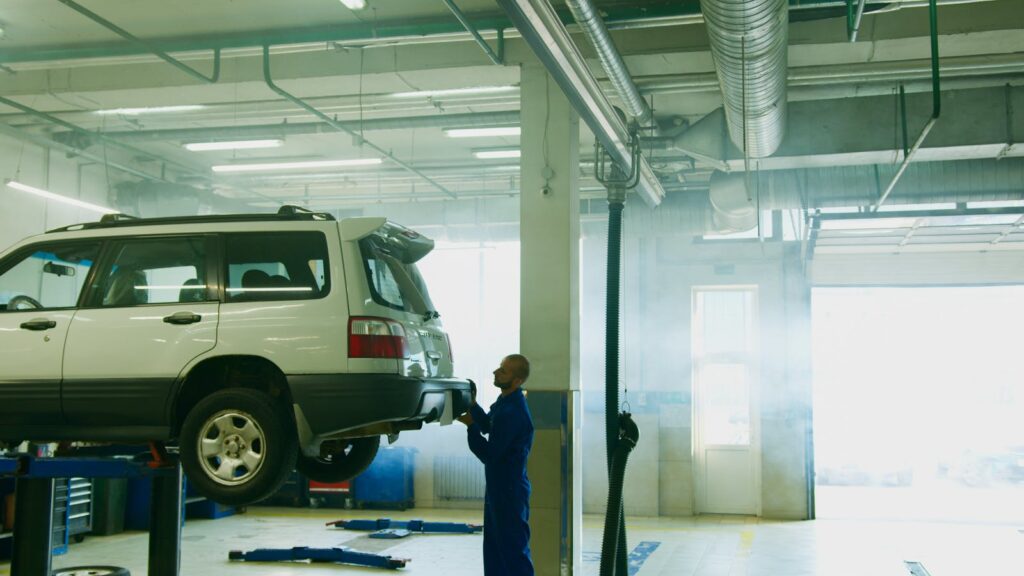
The Drop-Off: One Problem, One Promise
She’d chosen the place because it had decent reviews and a busy lot, which people tend to interpret as competence. The car was still drivable, but only in that tense way where every sound turns into a threat and you keep the radio off to “listen for anything weird.” She told them what she’d noticed, they nodded, and someone typed notes into a computer without making eye contact.
The initial estimate was vague but not alarming—diagnostic fee, likely repairs, they’d confirm before doing anything major. She left feeling like she’d done the responsible adult thing: get it checked, fix what’s broken, move on with life. They said they’d call by the next day.
The next day came and went. So did the day after that, and then she was the one calling, getting stuck in the little telephone maze where each ring feels like it’s deciding whether you’re worth answering. When she reached someone, she got the first of many versions of the same line: “We’re still looking into it.”
Week One Turns Into “Waiting on Parts”
After a few more calls, the shop finally had a diagnosis—something that sounded plausible and expensive enough to make her wince. She asked for specifics, and the explanation came out in that mechanic shorthand that can feel like a lecture and a dismissal at the same time. When she asked what it would cost, they gave her a number and said they’d need approval to move forward.
She approved, because what else do you do when your car is already in pieces on someone else’s property? They said it’d be a couple of days. Then came the parts delay: they were “waiting on a shipment,” or “the supplier sent the wrong one,” or “it’ll be here tomorrow.” Tomorrow kept sliding away like it had wheels.
She started tracking the story the way people do when they feel themselves being managed. Every call was a small negotiation just to get a straight sentence. One person would say the part was in, another would act like that conversation never happened, and a third would promise a callback that never arrived.
It wasn’t only the silence, either—it was the way the shop talked when they did pick up. She said the tone shifted from customer-service friendly to mildly irritated, like her checking in was the actual inconvenience, not the fact that her car had vanished into their back lot. And after a while, her questions got met with the kind of half-answers that are technically words but don’t contain any useful information.
The Bill Starts Climbing, One Phone Call at a Time
Midway through the month, the price apparently stopped being a number and turned into a series of add-ons. Another issue was discovered, then another “related” issue, then an additional recommendation that sounded less like a fix and more like a preventative overhaul. Each time, she’d get a call framed like a choice—except the choice was “pay more or keep your car broken.”
She asked for an itemized breakdown, and what she got was, in her telling, more like a menu than an explanation. Labor hours were bundled in ways that didn’t make sense to her, parts were marked up, and certain charges felt duplicated or strangely generalized. When she questioned a line item, the response wasn’t a clear justification; it was a vibe of, “That’s just how it is.”
The thousand-dollar moments added up fast. By the time the shop was saying the repairs were “almost done,” she was already deep into the kind of total that people usually associate with replacing something major. The only reason she didn’t pull the car out earlier, she said, was that she’d been warned it might not be drivable and she’d still owe for the work done so far.
That’s where the emotional pressure sat: her car was stranded, she was stranded, and the shop had the upper hand because they had the vehicle and the timeline. She was juggling rides, borrowing someone else’s car, and fielding work and life while trying to extract basic updates like she was asking for classified information. After a couple weeks, it wasn’t even about convenience anymore—it was about feeling cornered.
The Pickup: A New Light Show on the Dashboard
When the shop finally called and said it was ready, she described feeling cautious relief, like she didn’t want to celebrate too early. She showed up expecting the typical handoff: paperwork, a quick explanation, maybe a “keep an eye on it.” Instead, she got hit with the invoice first—thousands more than what she’d mentally prepared for—and then walked out to the car and saw the dashboard lit up in ways it hadn’t been before.
She pointed it out immediately. The person at the counter glanced, gave a practiced shrug, and suggested it might just need to “run a bit” for the system to settle. That answer set her off, because warning lights aren’t supposed to be vibes-based.
She insisted on scanning it, and the shop’s response—according to her—wasn’t, “Let’s check that right now,” but more like, “If it’s a new issue, that’s separate.” The implication was clear: they were prepared to treat those lights as her new problem, even though she’d brought the car in with fewer problems than she was leaving with. And the whole conversation had that simmering awkwardness where everyone is polite only because they’re in public and there’s a counter between them.
She drove it anyway because she felt like she didn’t have a choice. The ride home was tense and hyper-aware, every little hesitation in the engine turning into a fresh wave of anger. She said she kept checking the mirrors like something was going to fall off, because that’s how little trust she had left in the situation.
The Aftermath: Receipts, Records, and a Shop That Won’t Own It
Once she got home, she did what people do when they feel gaslit by an invoice: she started collecting proof. She took photos of the dashboard, kept every receipt, and wrote down a timeline of calls and promises while it was still fresh. She also scheduled a second opinion, not because she wanted to pay another diagnostic fee, but because she needed someone to tell her whether she’d been sold a legitimate repair or a long, expensive shrug.
The second place, she said, immediately found codes that suggested the car wasn’t happy—either sensors left unplugged, a system not reset properly, or something disturbed during the repair process. Nothing was definitive without digging deeper, which would cost more money, but the vibe was different: they explained possibilities without making her feel stupid for asking. That contrast made her angrier, because it highlighted how little transparency she’d gotten during the month her car was in limbo.
She went back to the original shop with the new information, expecting at least a “bring it in and we’ll take a look.” What she got, in her telling, was defensiveness—questions about whether the other shop knew what they were doing, reminders about how complex modern vehicles are, and an insistence that the work they’d done addressed the original complaint. When she pressed the point—more warning lights than before—the response kept circling the same drain: that might be unrelated.
So she was stuck in that uniquely infuriating place where the car is technically back in her possession, but the situation isn’t actually resolved. She’d paid a mountain of money for a month of delays, vague answers, and now a dashboard that looked worse than the one that started this whole mess. And the real tension wasn’t even the mechanical mystery anymore—it was the feeling that the shop had already decided the story they were going to tell, and it didn’t include admitting they handed her back a car that came with bonus problems.
More from Steel Horse Rides: