

When you get pulled over during a traffic stop, it can feel a bit overwhelming. You might think you have to comply with every request from the officer. But that’s not always the case.
There are certain things police can’t make you do, even if most drivers don’t realize it. Knowing your rights can help you stay calm and avoid unnecessary complications.
Letting police search your vehicle without a warrant or your consent
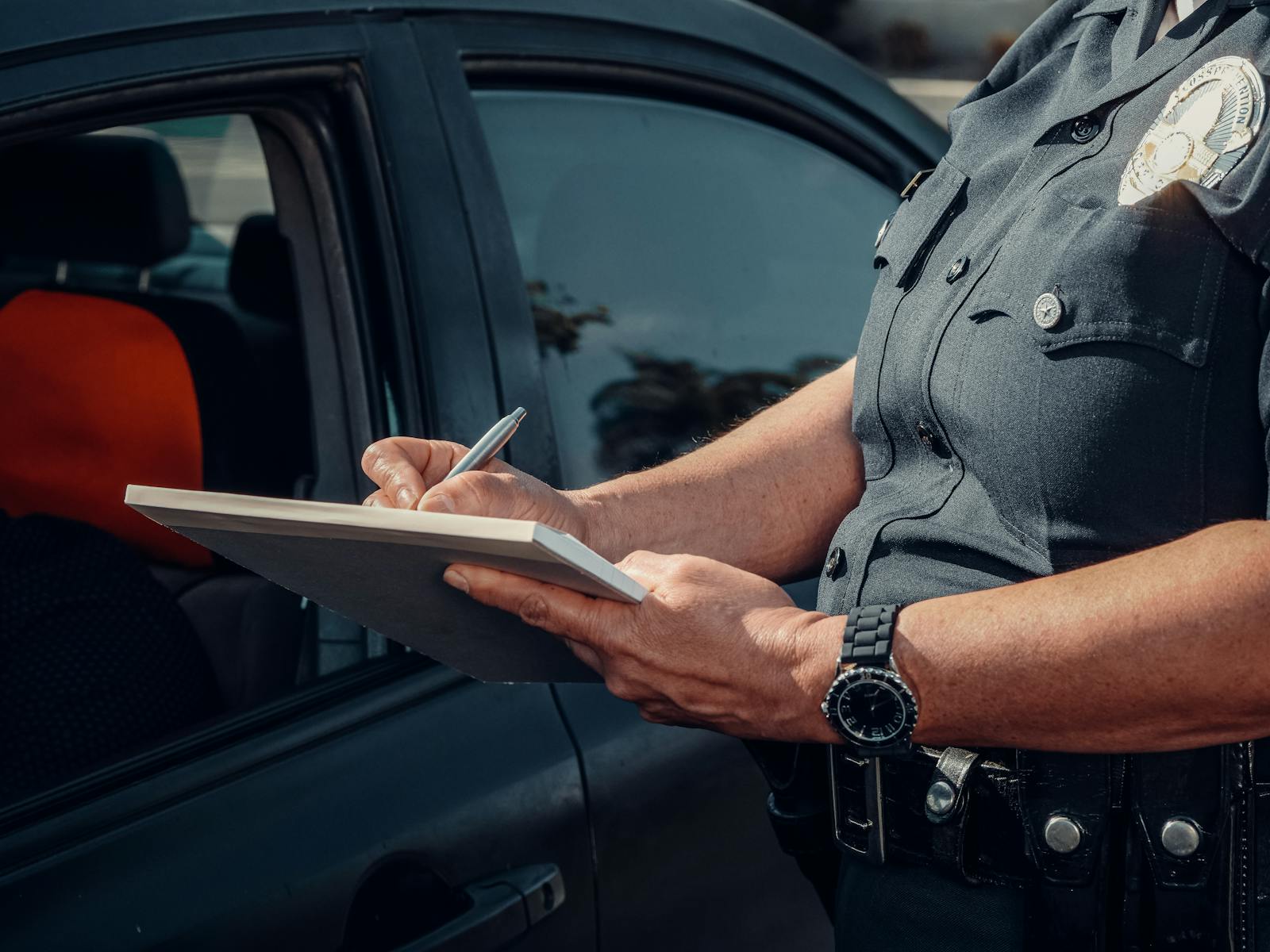
You don’t have to let police search your car if they don’t have a warrant or your permission. Saying no won’t cause legal trouble by itself.
There are exceptions, like if the officer has probable cause or spots something illegal in plain view. But without those, your consent is needed.
Keep in mind, you can clearly state that you do not consent to a search. Staying calm and polite helps keep things from escalating.
Answering the question “Do you know why I pulled you over?”
When an officer asks if you know why you were pulled over, you don’t have to answer right away. Staying calm and polite is key.
You can simply say, “No, officer,” or choose to remain silent. You’re not required to explain yourself or admit fault.
Remember, this question is often used to gauge your reaction. Keep your focus on providing your license and registration when asked.
Explaining where you’re coming from or going to
During a traffic stop, police often ask where you’re coming from or where you’re headed. You aren’t legally required to answer these questions.
If you choose to respond, keep it simple and truthful. But remember, you can politely decline without giving details.
Staying calm and respectful helps. You don’t need to volunteer extra information beyond showing your license and registration when asked.
Consenting to a pat-down or frisk without reasonable suspicion
You don’t have to agree to a pat-down or frisk if the officer doesn’t have reasonable suspicion that you’re armed and dangerous. Police need a valid reason before they can legally pat you down during a traffic stop.
If you do consent without that reasonable suspicion, you’re basically giving the officer permission to search you. It’s important to know that staying silent or refusing won’t automatically make things worse, as long as you’re respectful. Remember, you have the right to say no to a frisk without proper cause.
Allowing officers to search your phone or electronic devices
You don’t have to let the police search your phone during a traffic stop. Usually, officers need a warrant to look through your device.
If you give consent, though, they can search without one. Remember, you have the right to say no.
Even if you’re arrested, a phone search still generally requires a separate warrant. So, don’t feel pressured to hand over your device unless you want to.
Answering questions about your immigration status
During a traffic stop, you don’t have to answer questions about your immigration status. Police can ask, but you’re legally allowed to remain silent on this topic.
You must show your driver’s license, registration, and proof of insurance if asked, but beyond that, you don’t have to share anything about where you were born or your citizenship.
Staying calm and polite is key. If you feel unsure, you can always ask to speak with a lawyer before answering further questions.
Performing field sobriety tests on the spot without your consent
You’re not legally required to do field sobriety tests during a traffic stop. These tests are usually voluntary, even if an officer asks you to take them.
Refusing doesn’t mean you’re admitting guilt, but the officer might still use the refusal as a reason to investigate further. Keep in mind, saying no to these tests can sometimes lead to other consequences, like additional chemical testing or license issues.
It’s your right to decline calmly and politely without feeling pressured to perform any physical tasks on the spot.
Providing access to your home without a warrant
You don’t have to let police into your home without a warrant. They usually need a judge’s permission to come in.
There are exceptions, though. If you say yes, that counts as consent. But you have the right to refuse, and consent must be given freely—not because you feel pressured.
If more than one adult lives there, police generally need permission from someone who has authority over the place. Knowing this helps you protect your space during a traffic stop or other encounters.
Agreeing to have your car towed without understanding why
When the police say your car will be towed, it’s easy to just agree without asking questions. But you don’t have to say yes right away.
You have the right to ask why they’re towing your car. Sometimes it’s for valid reasons like expired registration or illegal parking, but other times it might seem unclear.
Knowing the reason can help you decide if the tow is necessary or if you want to challenge it later. Don’t feel pressured to agree without getting the full story first.
Answering where you keep illegal items if you have no obligation to confess
You’re not required to tell police where any illegal items might be, even during a traffic stop. Remember, staying silent can’t be used against you as an admission of guilt.
While officers may try to get you to confess or reveal locations, you have the right to remain silent. It’s often smarter to politely decline to answer rather than volunteer information.
Anything you say can be used in court, so think twice before speaking about illegal stuff. You’re under no legal obligation to help the police find or talk about contraband.