

Filling up feels like the most ordinary chore in the world, which is exactly why people get careless. Fires at the pump are rare, but when they happen they usually trace back to a few repeated habits.
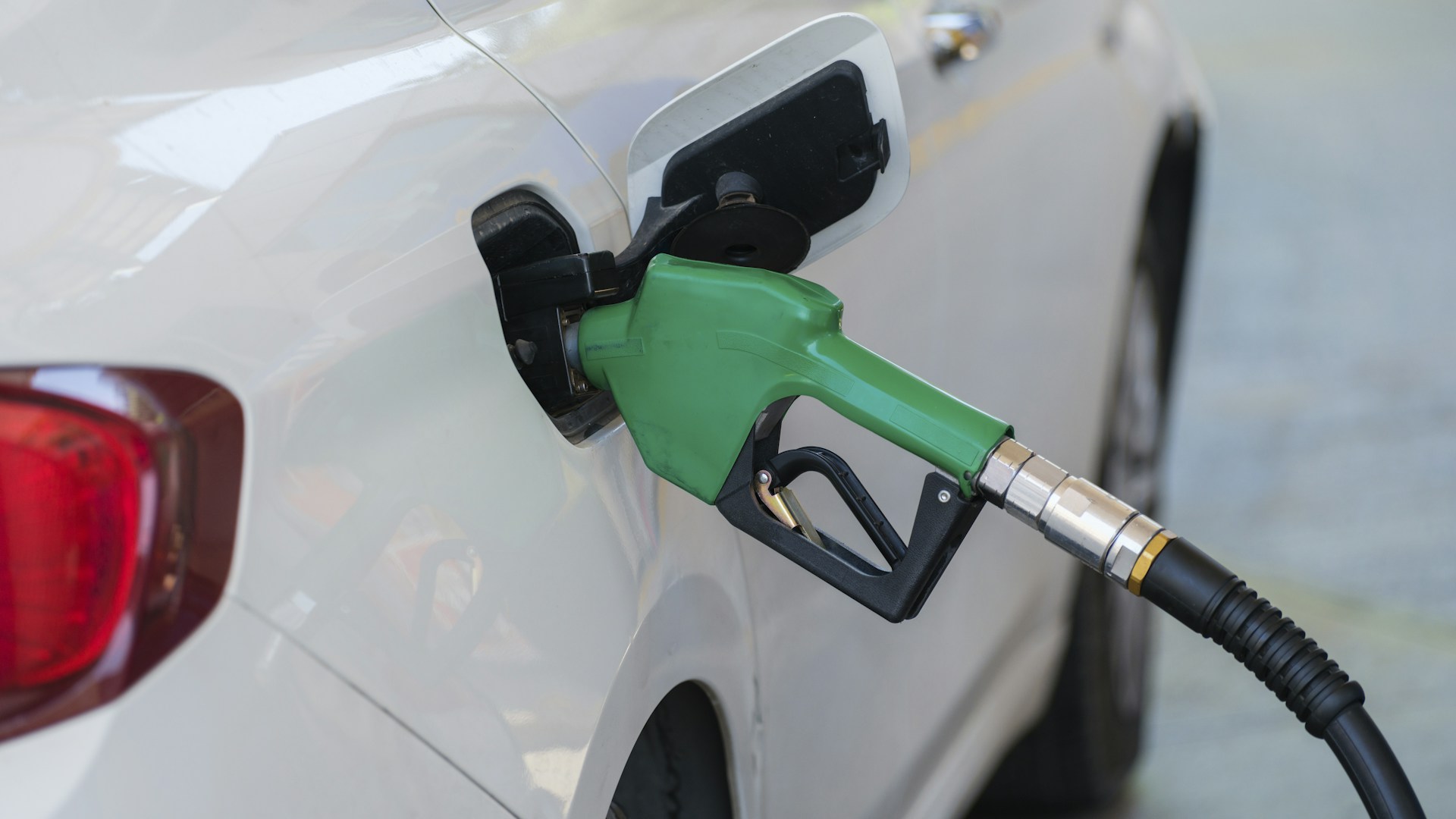
The Petroleum Equipment Institute, an industry group whose findings are shared by Commander, Navy Region Mid-Atlantic, looked at more than 150 fire cases and found a clear pattern. A Purdue Cooperative Extension “Dos and Don’ts at the Gas Pump” handout and a University of Missouri System refueling guide fill in the rest.
Here are 10 mistakes drivers make at the pump, and what the experts say to do instead.
1. Getting Back In The Car While The Tank Fills
PEI stresses this as the top rule: never re-enter your vehicle while refueling. Of the 150-plus fire cases it reviewed, nearly all involved people who got back in during fueling.
The Purdue handout says the same, even when the hold-open latch is engaged: “Do not re-enter your vehicle during refueling.”
2. Grabbing The Nozzle After You Sat Down
According to PEI, fires started when people went back to remove the nozzle and static ignited the vapors. In 29 of the fires, the nozzle was touched after re-entry, damaging vehicles, stations and customers.
If you absolutely must get back in, PEI says to close the door while touching the metal body of the car before you pull the nozzle out, so your body’s static discharges first.
3. Skipping The Static Discharge
The Purdue handout lists discharging static before fueling as a “do,” by touching a metal surface away from the nozzle. PEI found that in 17 cases, fires occurred while removing the gas cap or just after, before fueling began.
The University of Missouri guide notes that static-related incidents at retail gasoline outlets are unusual, but appear most likely in cool or cold, dry weather.
The NBC News report adds two practical tips from experts it quoted. John Fagan, a University of Oklahoma electrical and computer engineering professor, suggests touching the nozzle tip to a metal surface away from the tank, and avoiding letting the nozzle touch the metal ring of the tank opening. Bob Renkes of PEI says to touch the steering wheel or car body after exiting to discharge static.
4. Leaving The Engine Running
Turning off the engine is the first rule on both the Navy’s list and the University of Missouri’s guide. It is the simplest of all the steps, and it takes two seconds.
5. Smoking Or Lighting Anything Nearby
The Purdue handout says not to smoke, light matches or use lighters while refueling. The Navy’s three rules for safe refueling include “don’t smoke” as well.
6. Topping Off The Tank
The Purdue handout says not to overfill or top off the tank, because the dispenser shuts off automatically when full. Squeezing in an extra few dollars is not worth the risk or the mess.
7. Jamming The Latch Open
The same handout says to use only the nozzle’s built-in hold-open latch and not to jam or force it with objects such as the gas cap. That latch exists so you can stand still and watch the pump, not walk away or prop the handle.
8. Filling Gas Cans Inside The Vehicle
Purdue says to fill portable cans only in approved containers placed on the ground, with the nozzle kept in contact with the can to prevent static ignition. It says not to fill them inside a vehicle, in the trunk, in a truck bed or on a trailer floor, because carpet and liners can let static build up in the container.
9. Wandering Away From The Pump
Purdue says to stay near the fueling point for the entire process. Staying at the nozzle also means you can react at once if something goes wrong.
10. Pulling The Nozzle Out If A Fire Starts
If a flash fire occurs, the Purdue handout says to leave the nozzle in the fill pipe, back away and alert the attendant, and at unattended stations to use the emergency intercom and shutoff button. It also says not to remove the nozzle if a fire starts.
An NBC News report quotes experts with the same message. It cites Fowler Associates’ estimate of about 100 static-sparked fires at U.S. gas stations each year, and says about 80% of those are re-entry or exit fires.
Robin Rorick of the American Petroleum Institute told NBC, “The strongest tool in the prevention tool box is people knowing that these fires do in fact occur.”
Context helps. The American Petroleum Institute cites about 12 billion refuelings a year at about 160,000 U.S. stations, so these fires are very rare. That is exactly why a few habits matter.
One common worry turns out not to be one. The Purdue handout says to leave cell phones and electronics in the vehicle during fueling, but notes that no fires have been linked to cell phone use. It also says children under licensed driving age should not use the pump.
Keep it simple: engine off, no smoking, stay out of the car, stay at the pump, and stop when the nozzle clicks.
More Stories You May Like
- New Car Payments Hit A Record $787 A Month, And 25.5% Of Loans Run 84 Months Or Longer, While Total Interest Averages About $9,938
- Ford Recalls 2,711 2026 Broncos Because A Small Burr On A Bracket Could Tear The Right Side Curtain Airbag, And Dealers Will Fix It For Free
- IIHS Crash Tests Are Credited With 48,352 Lives Saved And $538 Billion In Savings Since 1999, A Return Of Nearly 900 Times On About $600 Million Spent