

When you shop for a car, what do you look at first? The price, the color, the cup holders? Here is a better question: have you looked at how it did in crash tests? A new study suggests those tests have quietly done a mountain of good over the past couple of decades.
According to an IIHS study reported by Repairer Driven News on June 25, 2026, Insurance Institute for Highway Safety crash tests are credited with 48,352 lives saved from 1999 to 2024. The study values those savings at $538 billion.
A Very Big Return
Here is the part that stands out. IIHS members funded about $600 million toward this work. Set that against the $538 billion in estimated savings and you get a return of nearly 900 to one. Even if you are not a numbers person, that is an eye-popping payoff for something as simple as crashing cars on purpose and publishing the results.
The study credits the testing with pushing automakers to build safer vehicles. When a car does badly in a public test, the maker has a strong reason to fix it. Over many years, that kind of pressure adds up, and so do the results.
Where the Lives Were Saved
The study breaks the total down by type of test. The numbers show just how much each kind of crash testing has contributed.
- The original front crash tests are credited with 28,697 lives saved.
- The side test is credited with 18,224 lives saved.
- Roof strength testing is credited with 1,432 lives saved.
The front tests account for the largest share. The side test is not far behind, which tells us that how a vehicle protects you from a hit on the door matters a great deal. Even roof strength, the smallest number on the list, is credited with saving well over a thousand lives.
If you add the three up, you will get 48,353, one more than the 48,352 total. That is just a matter of rounding in the study, so there is no mystery there.
Why Public Testing Works
Most of us cannot tell by looking at a car whether it will protect us in a crash. A shiny paint job and a big touchscreen say nothing about how the frame holds up or how the cabin keeps its shape. Independent testing turns that mystery into something you can read in plain terms, and it lets shoppers compare one model against another. When buyers pay attention, automakers notice, and that is how the improvements keep coming.
It is also a good reminder that safety is not only about the newest gadgets. The front, side and roof tests in this study cover the basics of how a vehicle holds up when something goes wrong, and they are credited with a very large share of the lives saved.
What This Means When You Shop
All of this adds up to one practical message: a car’s safety rating is worth your time. Cars have gotten safer in part because someone was willing to test them, publish the results and hold automakers to a higher standard. As a buyer, you get to benefit from that work for free.
- Look up the rating before you visit the dealer. The IIHS website lists the crash test results for many vehicles. It takes a few minutes and costs nothing.
- Compare similar vehicles. If you are choosing between two models of the same type, the safety results can break the tie.
- Check the specific model year. Cars change from year to year, and a rating for one year may not apply to another.
- Do not assume bigger means safer. Size is not the only factor. How a vehicle is built and what protective features it has matter too.
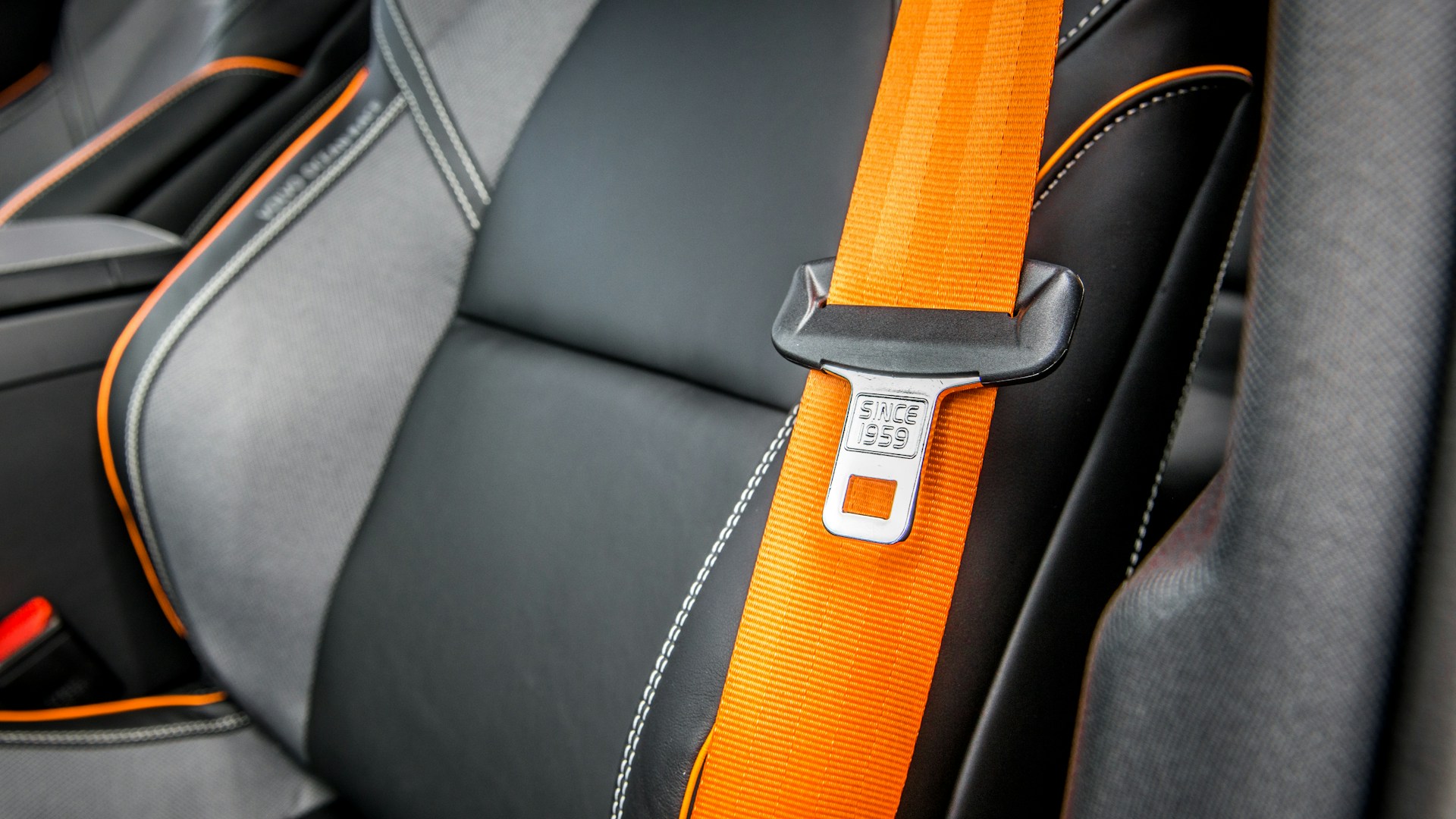
- Buckle up every time. The best-engineered car in the world works best when everyone in it is wearing a seat belt.
- Think about the people you carry. If you drive grandkids or friends, a strong safety record is worth paying attention to.
Shopping for a Used Car
The same advice applies if you are buying used. Older vehicles were built to the standards of their day, and tests have changed over the years. Look up the results for the specific model and year you are considering, and ask whether the safety features you want are actually present on that car. A little homework up front can help you avoid a vehicle that falls short where it counts.
The Bottom Line
The IIHS study credits crash tests with 48,352 lives saved from 1999 to 2024 and $538 billion in savings, on roughly $600 million in funding from IIHS members. That is a return of nearly 900 times the money spent. The next time you are car shopping, remember that a safety rating is not a gimmick. It reflects years of testing that has helped make vehicles safer for all of us. Take a few minutes to look up the ratings before you buy, and let the results work for you.
More Stories You May Like
- Barn Find 1967 Shelby GT350 That Sat For More Than 37 Years Sells For $135,000 At A South Dakota Auction, And The Story Behind The Car Is Even Better Than The Price
- Old School Mechanic Shows How A Torch And A Socket Can Help When Pressing A Wheel Bearing Without Cutting The Race Off The Hub
- Five Things Your Car Salesman Should Never Know About You Before the Negotiation Even Starts