

You are only running in for milk. Five minutes, maybe ten, and the groceries can ride in the back seat.
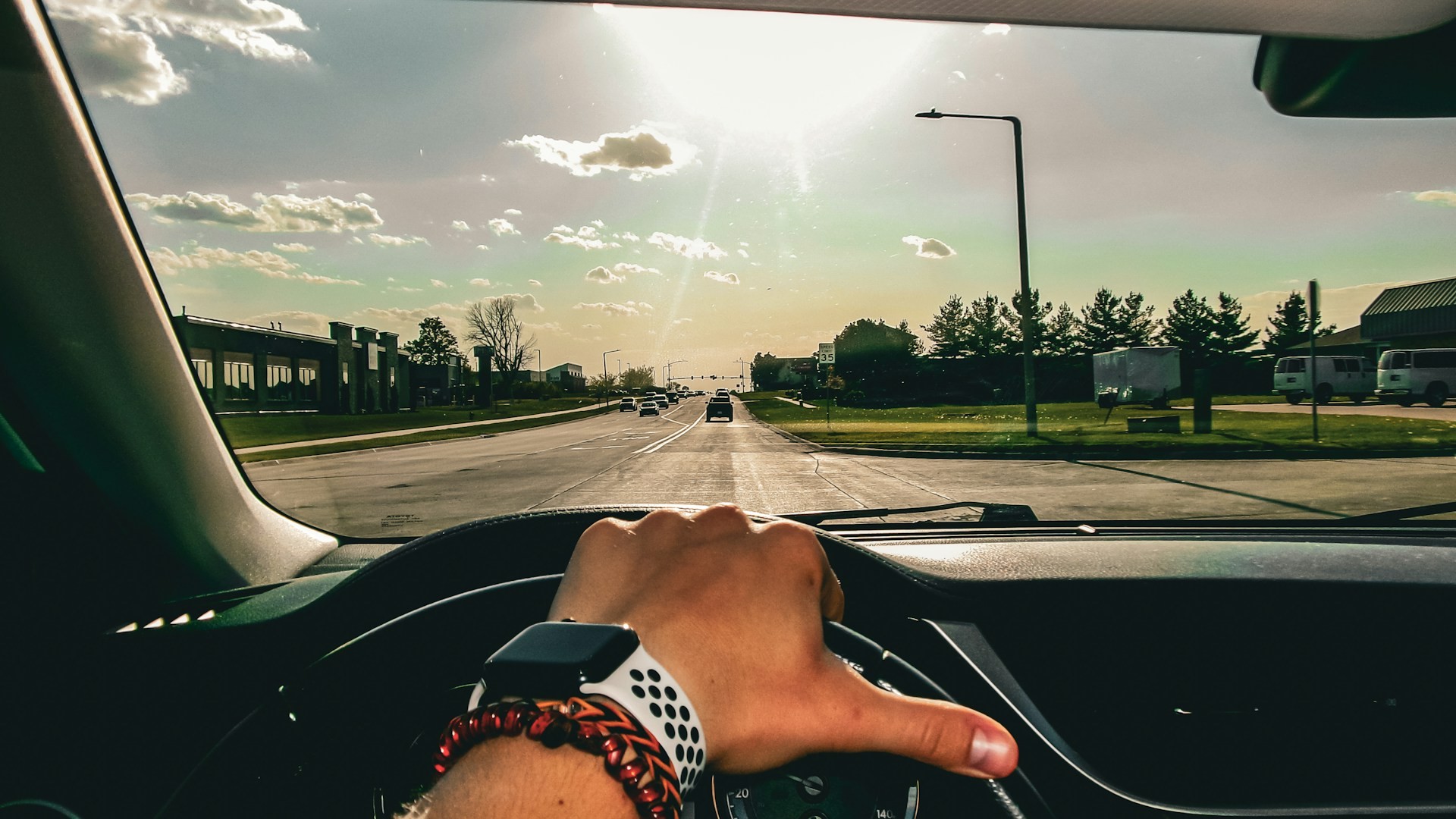
On a hot day, that quick errand is enough to turn a parked car into an oven. AccuWeather meteorologist Brian Lada says car interiors can spike “beyond 100 degrees,” even with the windows cracked.
Arizona State University research, cited in a June 2026 report from WSFA, puts a car in direct sunlight on an 80 degree day at about 120 degrees inside within an hour. The same report says a dashboard on a 95 degree afternoon can pass 165 degrees. Here are 10 things that do not belong in there.
Aerosol Cans Can Burst When The Cabin Heats Past 120 Degrees
WSFA lists hairspray, deodorant, spray sunscreen, dry shampoo and spray paint among the pressurized containers that can fail in extreme heat, and notes that aerosol cans are commonly tested around 120 degrees.
AccuWeather, in a May 2026 article, adds bear spray, which it says can burst and cause eye, nose and throat irritation lasting 30 to 45 minutes.
Medications Can Lose Their Punch In A Hot Cabin
WSFA cites FDA medication storage guidance of 68 to 77 degrees. It says heat can reduce potency, including for insulin and epinephrine.
AccuWeather names acetaminophen, ibuprofen, insulin, EpiPens and inhalers. Bring them inside with you, or keep them in a cooler bag you carry.
Sunscreen Can Break Down Before You Ever Put It On
Both WSFA and AccuWeather say heat can break down the active ingredients in sunscreen, making it less protective.
A bottle that spent the afternoon on the back seat is not the bottle to trust at the beach.
Groceries Have A Clock Running The Moment The Engine Stops
WSFA cites USDA food safety guidance that puts the “danger zone” for food at 40 to 140 degrees, for no more than two hours, or one hour when it is above 90 degrees outside.
AccuWeather adds that perishables can spoil and canned or bottled drinks can swell or burst. Make the grocery store your last stop.
WSFA notes the normal high in the Montgomery, Alabama area is about 91 degrees, which means an ordinary summer afternoon already puts the one-hour limit in play.
Eyeglasses And Sunglasses Can Warp Or Peel
WSFA says plastic frames can warp and lens coatings can bubble, crack or peel. AccuWeather agrees that lenses and coatings can warp, crack or become damaged.
That is an expensive surprise if you wear progressive lenses.
Lighters And Matches Are Linked To Vehicle Fires
AccuWeather links lighters and matches to vehicle fires, especially butane lighters in direct sunlight. WSFA says heat can increase pressure in disposable lighters and raise fire risk.
Tuck them into a purse or pocket, or leave them at home.
A Clear Water Bottle Can Do More Than Warm Up
WSFA says clear objects such as glasses cases and clear water bottles can focus sunlight and scorch materials.
AccuWeather adds that heat and sunlight may cause heavy metals and microplastics to leach into water from clear plastic bottles, and that partially used bottles can breed bacteria.
Passports, IDs And Receipts Can Warp, Fade Or Become Unreadable
WSFA says passports, Social Security cards, laminated IDs and thermal receipts can warp, fade or become unreadable in a hot car.
AccuWeather points out another risk: leaving important documents in a car can raise identity theft risk if the car is broken into.
Phones, Laptops And Power Banks Can Swell Or Catch Fire
AccuWeather says lithium-ion devices, including phones, laptops, vapes and power banks, can overheat, swell or catch fire. WSFA says heat can cause swelling, leaking or thermal runaway, and includes e-bike batteries on its list.
The simple rule is that if it has a rechargeable battery, it goes with you.
Children And Pets Are Never A “Quick Stop” Passenger
The National Highway Traffic Safety Administration says a child’s body temperature rises three to five times faster than an adult’s. On its heatstroke safety page, the agency says never to leave a child alone in a vehicle, even briefly.
NHTSA also says lowering windows or parking in the shade does little to lower the interior temperature. It advises checking the entire vehicle, especially the back seat, before locking up, and says that if you see a child alone in a locked car, call 911 right away.
NHTSA says more than 1,000 children have died of heatstroke in hot cars over the past 25 years, and that over 50% of those deaths occur when a parent or caregiver forgets a child in the car. Its reminders include keeping a purse or briefcase in the back seat, or placing a stuffed animal in the front passenger seat.
The agency also says to always lock your car when you are not using it, and to store keys and fobs out of children’s reach.
WSFA lists pets alongside children among things never to leave in a hot car.
The rule that covers everything on this list is simple: if you would not want to sit in the car for an hour, neither should anything you care about.
More Stories You May Like
- Small Paint Chips And Clogged Drains Turn Into Big Rust Repairs When Ignored, So Catch Bubbling Paint Early And Wash The Underside Of Your Car
- Rain Turned A Southern California Swap Meet Into A Ghost Town But One Loaded 1963 Classic Still Had Power Windows Air Conditioning A Compass And Even A Litter Bag
- That Loose Gas Cap, Ignored Dashboard Lights And Other Small Things Can Snowball Into Big Repair Bills, So Here Is What Common Warning Lights Really Mean