

The little light on your dashboard has been glowing for a few weeks now. You tell yourself the car feels fine, and it probably does. Then one day the light starts to flash, the engine stumbles, and the shop hands you a bill that makes your stomach drop. A surprising number of big repair bills start as small things we decided to ignore.
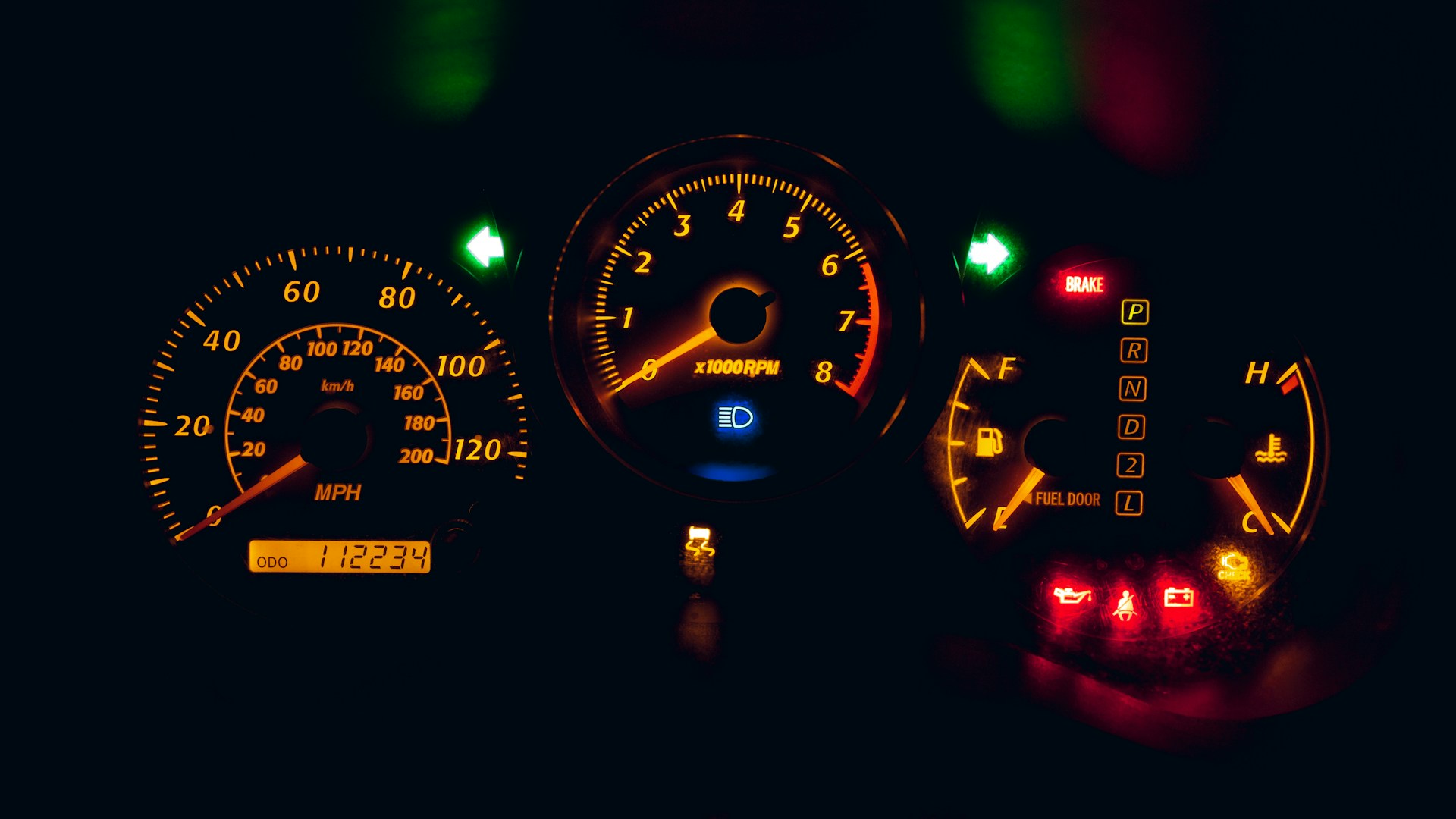
The good news is that most dashboard lights follow a simple color code, and some of the easiest fixes are free. Here is what the common warning lights are really trying to tell you, starting with one of the most famous false alarms of all.
The Loose Gas Cap
On many vehicles, a gas cap that is loose, cracked or missing can trigger the check engine light. The fuel system is sealed so that fuel vapors do not escape, and a poor seal at the cap can be detected by the car’s computer. Before you panic, stop and make sure the cap is tightened until it clicks, and inspect the rubber seal for cracks. The light may take a few trips to go away after the fix, so give it some time.
Do not assume every light is the gas cap, though. If the light stays on, get the code read. Many auto parts stores and shops can read it, and the code is a clue, not a final diagnosis.
The Color Code
As a rule of thumb, red usually means stop or act right away, yellow or amber means something needs attention soon, and green or blue usually just tells you a system is on. Your owner’s manual has a page of symbols for your exact car, and it is worth reading before a light comes on, not after.
Common Warning Lights And What They Mean
- Check engine light: The engine or emissions system has detected a problem. A steady light means have it checked soon. A flashing light usually signals a serious problem such as an engine misfire that can damage the catalytic converter, so reduce your driving and get help quickly.
- Oil pressure light: This usually means low oil pressure, not just low oil. It is serious. Pull over safely and shut off the engine, then check the oil level and call for help if the light stays on. Driving without oil pressure can ruin an engine.
- Battery or charging light: The charging system may not be working properly, which can involve the alternator, belt or battery connections. The car may run on battery power for a short while and then stop, so head to a safe place or shop right away.
- Coolant temperature warning: The engine may be overheating. Pull over safely and let it cool before checking anything, and never open a hot radiator or coolant cap. An overheated engine can be badly damaged in a short time.
- Brake system light: This can mean low brake fluid, a problem in the system, or that the parking brake is still on. If you have released the parking brake and the light stays on, get the brakes checked before driving farther.
- ABS light: The anti-lock braking function may not be working. Regular brakes often still work, but the extra safety feature may be off, so have it checked soon.
- Tire pressure light: One or more tires may be low. Check them with a gauge and fill to the pressure listed on the sticker in the driver’s door jamb or in the manual. A tire that is low can wear unevenly and be unsafe.
- Airbag light: The airbag or seat belt system may have a fault, and the airbags may not work properly in a crash. Do not ignore this one.
Why Small Things Snowball
A loose gas cap can waste fuel vapor and keep your check engine light from helping you spot a real problem later, because you have trained yourself to ignore it. A weak battery stresses the alternator. A low tire wears faster and hurts handling. A small leak turns into low fluid, which turns into heat, which turns into damage. Most car problems follow that chain, and the earlier you break it, the less you pay.
A Simple Routine
- Do a quick walk-around once a week, checking tires, lights and any puddles under the car.
- Check oil and other fluids on the schedule in your manual.
- When a light comes on, note the color and whether it is steady or flashing.
- Look up the symbol in your manual the same day.
- Get the code read and write it down, so you can compare if the light returns.
You can also check for open recalls on your vehicle through the National Highway Traffic Safety Administration website, since some warning lights have been tied to recalls.
That little glow on your dash is not there to annoy you. It is the cheapest piece of advice your car will ever give. Tighten the cap, read the manual, and treat the lights with the respect they deserve before a small thing turns into a big bill.
More Stories You May Like
- Classic Car Hunter Chases Down a Rare 1969 Mustang 428 Super Cobra Jet With a $50,000 Asking Price, Then Sees What Kind of Shape It Is Really In
- Mechanic’s Dad Crunched Two Years Of Repair Orders And Names The Five Most Expensive Vehicles To Fix Led By Jaguar At More Than Fifteen Hundred Dollars A Visit
- Toyota V6 Twin Turbo Problems and a New Recall Have a Mechanic Warning Owners About What to Watch For