

You’ve got a thing for big engines and honest performance, and this article walks you through six affordable muscle cars that deliver both without emptying your wallet. You’ll learn which models strike the best balance of power, everyday usability, and parts availability so you can find a real-driver car that fits your budget.
Expect practical comparisons across popular late-model and classic options so you can match a car to your goals—weekend thrills, track days, or a reliable daily with muscle-car attitude. The following sections break down why each pick earns a spot on a short list that respects performance, ownership costs, and aftermarket support.
Ford Mustang GT (2015-2017)
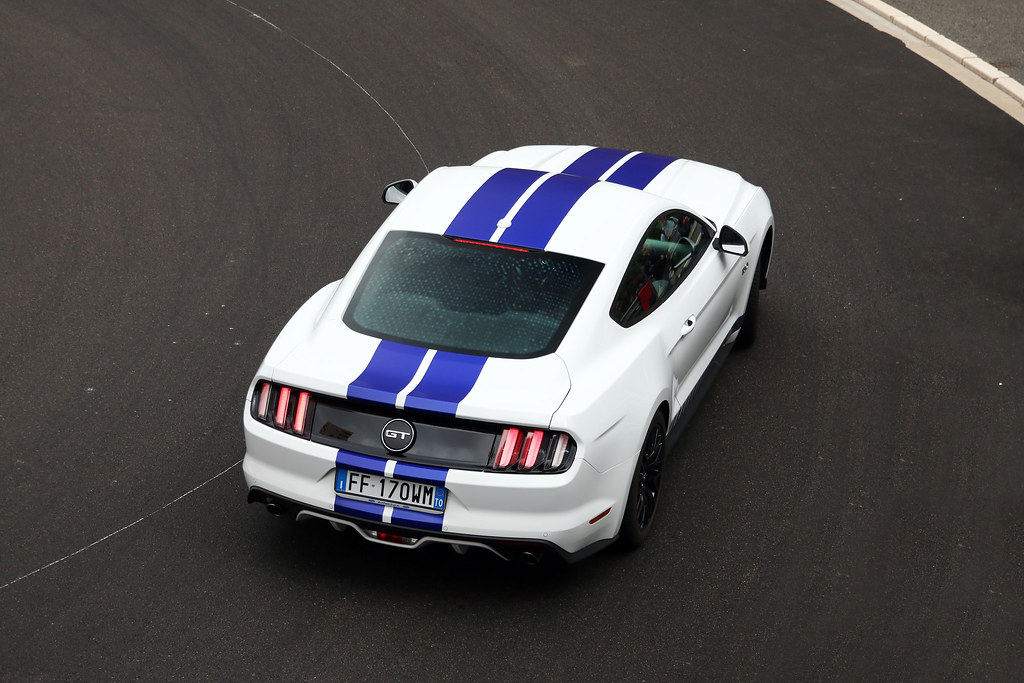
You get the 5.0L Coyote V8 with strong low-end torque and a soundtrack that hooks you fast. Expect about 412–420 hp depending on year and tune, so passing on highways feels effortless.
Used examples are widely available, letting you find a clean one without overpaying. Read reviews and check maintenance history before buying; modifications and track use change long‑term costs.
Edmunds has detailed trim and feature breakdowns if you want a deeper look at options and driving impressions (https://www.edmunds.com/ford/mustang/2017/review/).
Chevrolet Camaro SS (2016-2018)
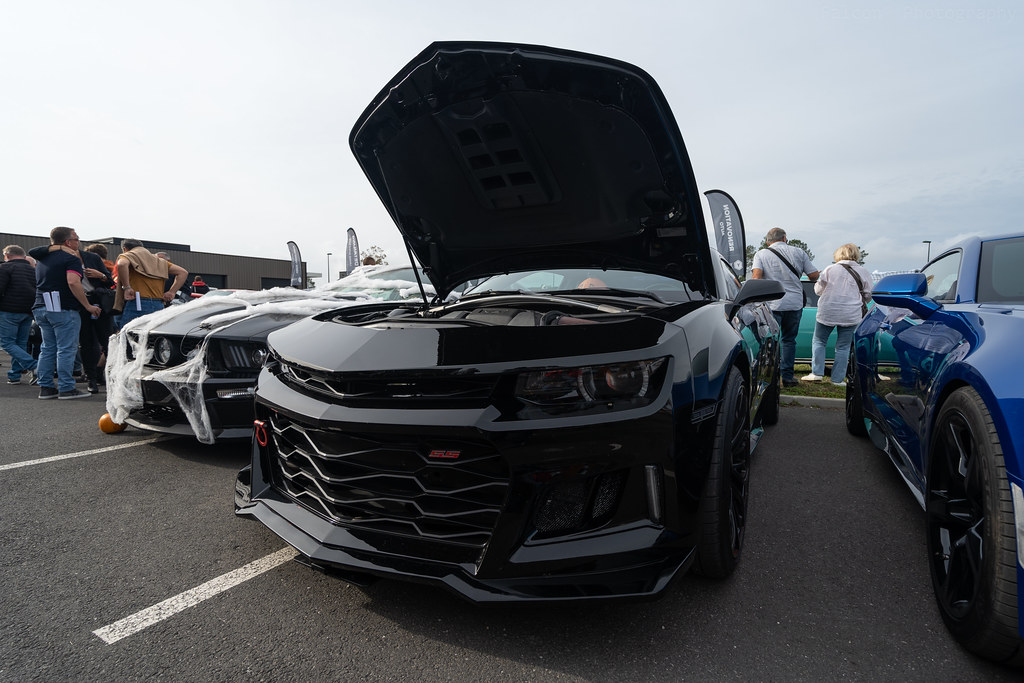
You get a modern V8 with the 6th‑gen Camaro SS — strong low‑end torque and a muscular soundtrack.
The LT1 6.2L engine improved power and efficiency over prior SS versions.
You’ll find sharp handling for the price, especially in 1LE track trims, and parts support is solid.
Check maintenance history and previous mods to avoid costly surprises; aftermarket tuning is common.
Consider reading an evidence‑style review of the 2016–2018 Camaro for reliability and ownership details (2016–2018 evaluation).
Dodge Challenger R/T (2015-2017)
You get a classic V8 rumble with the 5.7L Hemi and decent low-end torque for street driving.
Its retro styling and roomy cabin make it a comfortable daily driver with real muscle-car presence.
Expect solid power for the money, though fuel economy and parking can be drawbacks in tight urban spots.
Before buying, check maintenance records and consider a pre-purchase inspection to avoid hidden issues.
Research common problem years and trim differences on reputable review sites like Edmunds.
Pontiac GTO (2004-2006)
You get big V8 power for a bargain—LS1 in 2004, LS2 in 2005–06—so straight-line speed comes easy.
The car borrows its bones from an Australian Holden, which means solid chassis dynamics and roomy seats for weekend drives.
Watch for aftermarket modifications and hard use; these cars were popular with gearheads and often modified.
Expect a comfortable ride that still lets you light up the tires when you want to.
Learn more about the reborn GTO’s history and market values at this overview of the 2004–2006 Pontiac GTO.
Ford Mustang Boss 302
You’ll find the Boss 302 blends classic muscle looks with a high-revving 302 V8 built for Trans-Am roots. It’s sporty to drive, with sharper handling than many contemporaries.
Expect strong parts support and active collector interest, which helps when you shop or restore. Read a concise history and buyer’s tips at Hemmings to learn what to watch for.
Chevrolet SS (2014-2017)
You get a surprising V8 sleeper with the Chevrolet SS: a 6.2L V8 producing strong torque and a planted ride. It’s roomy and built for long drives, not just quarter-mile blasts.
Look for magnetic ride control on later years and manual-transmission rarity in 2015, which can affect desirability. Check corrosion, service history, and suspension wear before buying.
Consider pricing versus power — used examples hold value well for what they offer. Read a detailed buying guide for specifics on generations and common issues.
More from Steel Horse Rides: