
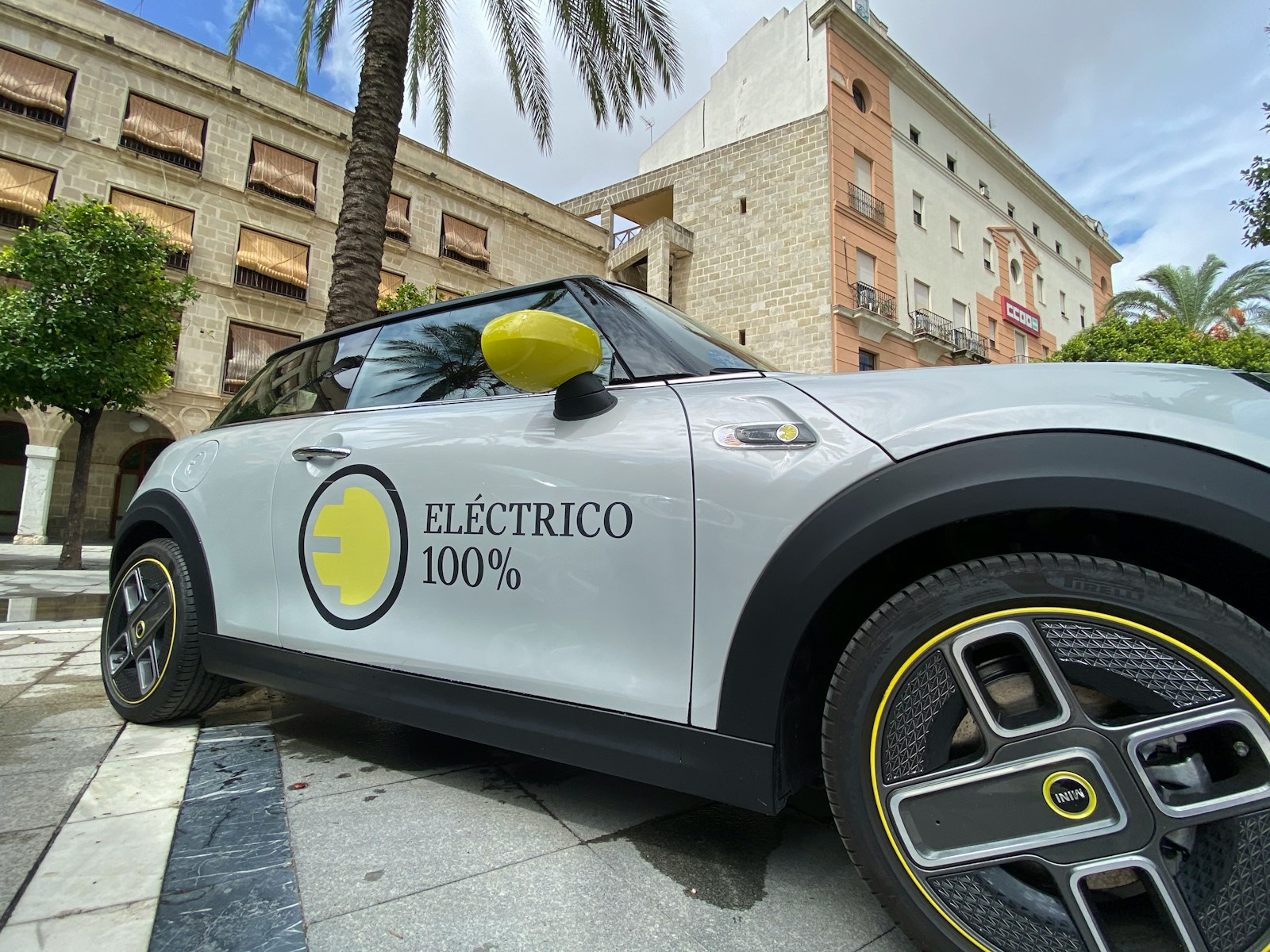

You’re about to explore why several electric vehicles are poised to become noticeably cheaper in 2026 and what that could mean for your next car decision. Expect falling battery costs, improved factory efficiency, and policy moves to combine into real price relief for mainstream EV buyers.
This article guides you through the forces reshaping EV pricing so you can spot the best opportunities and know when to act. You’ll get clear explanations of the trends, examples of models likely affected, and what to watch for as deals appear.
Battery costs dropping fast
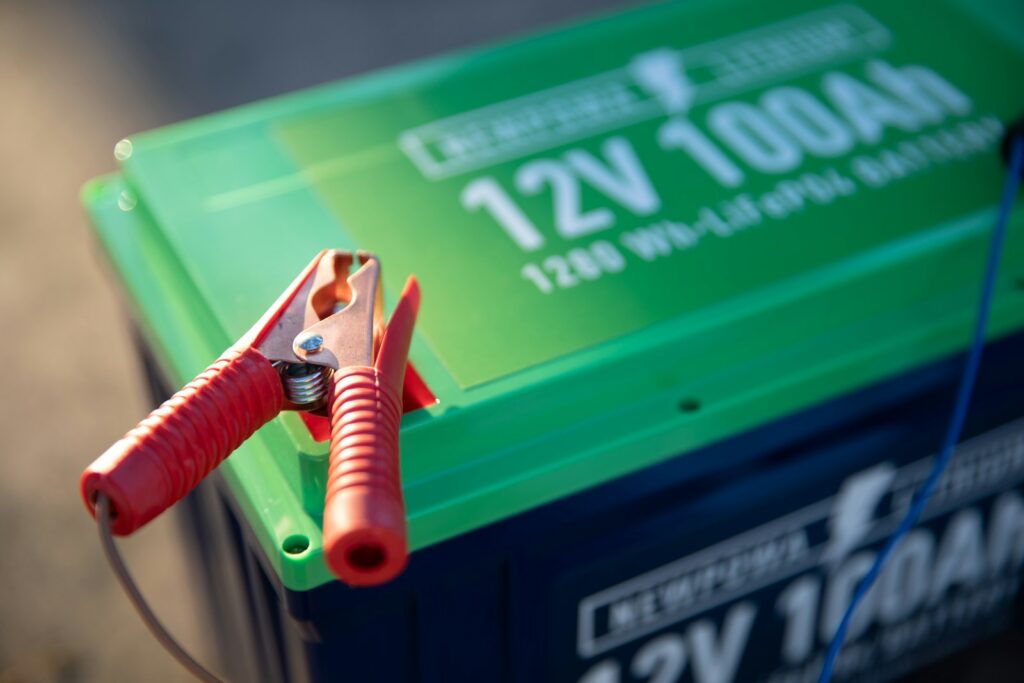
You’ll notice battery prices have fallen sharply in recent years, cutting a big slice from EV sticker prices. Analysts project average pack costs could approach roughly $80–$105 per kWh by 2026, which helps close the gap with gas cars; see Goldman Sachs’ projection for context (https://www.goldmansachs.com/insights/articles/electric-vehicle-battery-prices-are-expected-to-fall-almost-50-percent-by-2025).
This trend comes from better cell-to-pack designs, wider adoption of LFP chemistry, and growing factory scale in China. Those improvements mean your next EV could cost significantly less to buy and own.
Ford Mustang Mach-E price cuts
You’ll see Ford trimming Mach-E prices across several trims, with reductions varying by model and battery to move inventory and shorten wait times.
Expect savings that industry reports and automaker announcements put in the low- to mid-thousands for many versions.
If you’re shopping, compare post-cut MSRP to incentives and check updated specs — some features and standard equipment shifted when prices changed.
Read more about the price adjustments and their market context at the Financial Times.
More affordable Chinese EV models
You’ll see more budget-friendly Chinese EVs hitting markets in 2026 as companies push aggressive pricing and compact models. Expect options that trade luxury bells for strong range and basic tech that covers daily needs.
If you’re shopping on a tighter budget, watch brands like BYD and other newer entrants that target value over frills. These models can make EV ownership realistic for more drivers without complex incentives.
Improved production efficiency
You’ll see costs fall as manufacturers streamline assembly lines and scale battery cell production. Small process tweaks and bigger automation reduce labor hours per vehicle, which helps trim sticker prices.
You benefit when shared platforms and modular designs let companies spread development costs across many models. Expect more competitive pricing as those savings reach showrooms.
Government incentives boosting sales
You’ve seen how rebates and tax credits lower upfront costs and speed decisions. The federal clean vehicle tax credits have pushed many buyers toward EVs this past year.
When incentives expire or change, demand shifts quickly. That spike in purchases ahead of deadlines shows how much your decision can hinge on policy.
States and dealers add extra rebates and discounts, so check local offers to get the best deal.
Rising availability of cheaper EVs
You’ll see more affordable electric models hitting showrooms and used lots in 2026, driven by lower battery costs and higher production scale. Automakers are trimming prices and introducing budget-friendly variants to reach more buyers.
You can expect more off-lease vehicles to enter the market, creating bargains for used-EV shoppers. Keep an eye on inventory and incentives to find the best deals.
More from Steel Horse Rides: