

If your garage looks anything like most riders’ garages, there is a shelf, a coffee can or a cardboard box holding the leftovers of a bike you owned thirty years ago. Most of it looks like junk. Some of it, though, is exactly what restorers and collectors hunt for at swap meets. Condition, originality and the exact model matter a great deal, and nobody can promise what any single piece will bring. Still, it is worth a second look before it heads to the curb. Here are seven kinds of old motorcycle parts and gear that collectors have a real track record of chasing, with the actual numbers where we could find them.
Old Alloy Wheels From the Sixties
Cycle World once toured a massive stockpile of British bike parts and reported that Dunlop alloy rims, which have not been made since the mid 1960s, were worth about $1,000 each. A stack of twenty sat in one of the trailers. That report is from 2003, so treat the figure as a sign of how much collectors cared, not a quote for today. What it tells you is that wheels no longer in production can be worth far more than the scrap bin suggests. If you have a set of odd looking alloy rims leaning behind the freezer, look for a maker’s name cast into the metal and check for cracks and bends. Don’t scrub them with anything harsh. Original finish is part of the appeal, and a quick look at recently sold listings for the same wheel will tell you far more than guessing.
Original Fenders and Paint Tanks
That same Cycle World tour found original paint gas tanks and more than 2,000 fenders, including olive drab fenders for 1948 to 1957 Triumphs still sitting in their original crates. The reason is simple. Sheet metal gets dented, rusted and repainted over the years, so clean originals are scarce. On the TV show American Pickers, a rusty rooster tail style Harley fender came with a $1,750 purchase price and a $2,500 asking price according to Looper, though that article never says whether it sold for that. Even so, it shows how a beat up fender can matter to someone building a vintage bike. If you have a fender hanging on a garage wall, check for stamped part numbers and leave any old paint alone until you know what you have.
Saddlebags and Accessories From the Thirties
At the Wauseon swap meet in 2022, Harley collector Matt Walksler came home with a pile of rare parts that included a pair of 1930s saddlebags, an even rarer exhaust and an air cleaner described as rarer still, according to RideApart. The outlet did not publish prices, which is a good reminder that pieces like these usually get priced one at a time by a buyer who knows exactly what is missing from a project. Most of what he found was accessories rather than stock parts. That is worth remembering, because the bolt on extras riders added back in the day often disappeared first. If you inherited a trunk of old bike accessories, photograph every piece, note any markings and ask a vintage club before you list anything.
New Old Stock Carburetors and Shocks
The Cycle World stockpile also held new old stock parts, meaning parts that were made decades ago and never installed. The list included Girling shock absorbers, Amal carburetors, chrome Dunlop wheels and Lucas electrical parts. For restorers, a part that has never been on a bike is the holy grail, because it matches what left the factory. The box matters too. If you have a carburetor or a set of shocks still in its original wrapping and cardboard, do not open it just to take a peek. Opening it can lower the appeal for a serious buyer. Store it somewhere dry, write down the part number on the box and compare it with sold listings for the same number. You may be holding something a restorer has searched years to find.
A Worn Out Engine That Is Worth More in Pieces
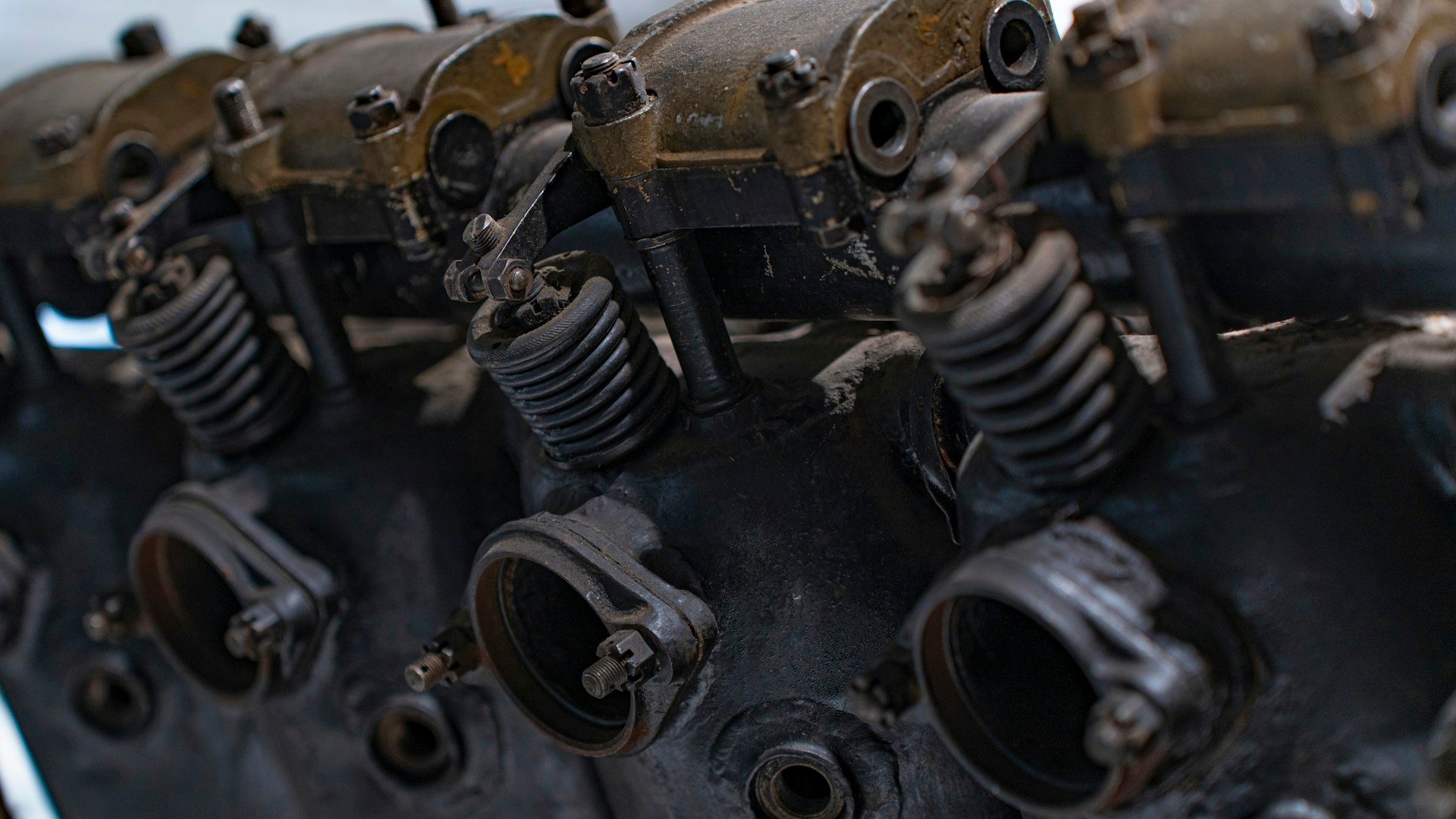
Here is one that might make you rethink that dusty engine in the corner. In the same Cycle World story, the shop owner priced a tattered AJS Single engine at $2,500 and argued it was worth more broken down into parts. That is an asking price, not a guaranteed sale, and a 2003 one at that. But the lesson holds up. A seized or incomplete engine can still contain rare cases, covers, carburetor parts and fasteners that someone else needs. Before you scrap anything, take photos of every casting, write down any numbers stamped into the metal and ask a vintage bike club or parts dealer what is missing most often on that model. Selling in pieces takes patience, but it can beat the scrap yard price by a wide margin.
Classic Helmets From the Sixties and Seventies
Old helmets are a collector’s item, and a hard one to part with for riders who remember wearing them. WebBikeWorld notes that the Bell 500TX was the first helmet with Snell certification and that the Bell XF-GP is now a collectible that “will naturally cost a lot.” A seller on Collectors Weekly likewise says original Bell Stars are worth more than the later Bell Star II, though no price was given. One firm warning, though. Keep these on a shelf. The Snell Memorial Foundation recommends replacing a helmet after five years of normal use and after any impact, so a vintage lid is a display piece, not a riding helmet.
Old Oil Cans With Bold Graphics
Before the plastic jug, motor oil came in tin cans with colorful artwork, and collectors love them. Appraisily’s guide lists thumb pump oilers from the 1900s to the 1930s at $75 to $500 or more, and rectangular quart cans from the 1940s to the 1960s at $25 to $300. The guide also admits it found no matching auction results, so think of those numbers as general guidance rather than a price list. What drives value is the same for most cans: original paint and graphics, no heavy rust, the original cap or spout, and a brand that has since gone out of business. Don’t polish or repaint a can. Wipe it gently, take clear photos of the front, back and bottom, and compare it with recent sold listings for the same brand and size. If the can is still sealed with its original contents, leave it that way, since the label, cap and contents are part of what a collector is paying for.