

Every rider and truck guy knows the feeling of opening a garage cabinet and finding something that has been sitting since the last decade. Some of it is harmless. Some of it is quietly working against you, whether that is a helmet that no longer protects the way it should, a tire that looks fine but has aged out, or a rag that could start a fire all by itself. Today is a good day to sort it out. Here are eight things worth getting out of your garage and saddlebags, along with what the experts say and the right way to send each one off, because a few of them should never go in the regular trash.
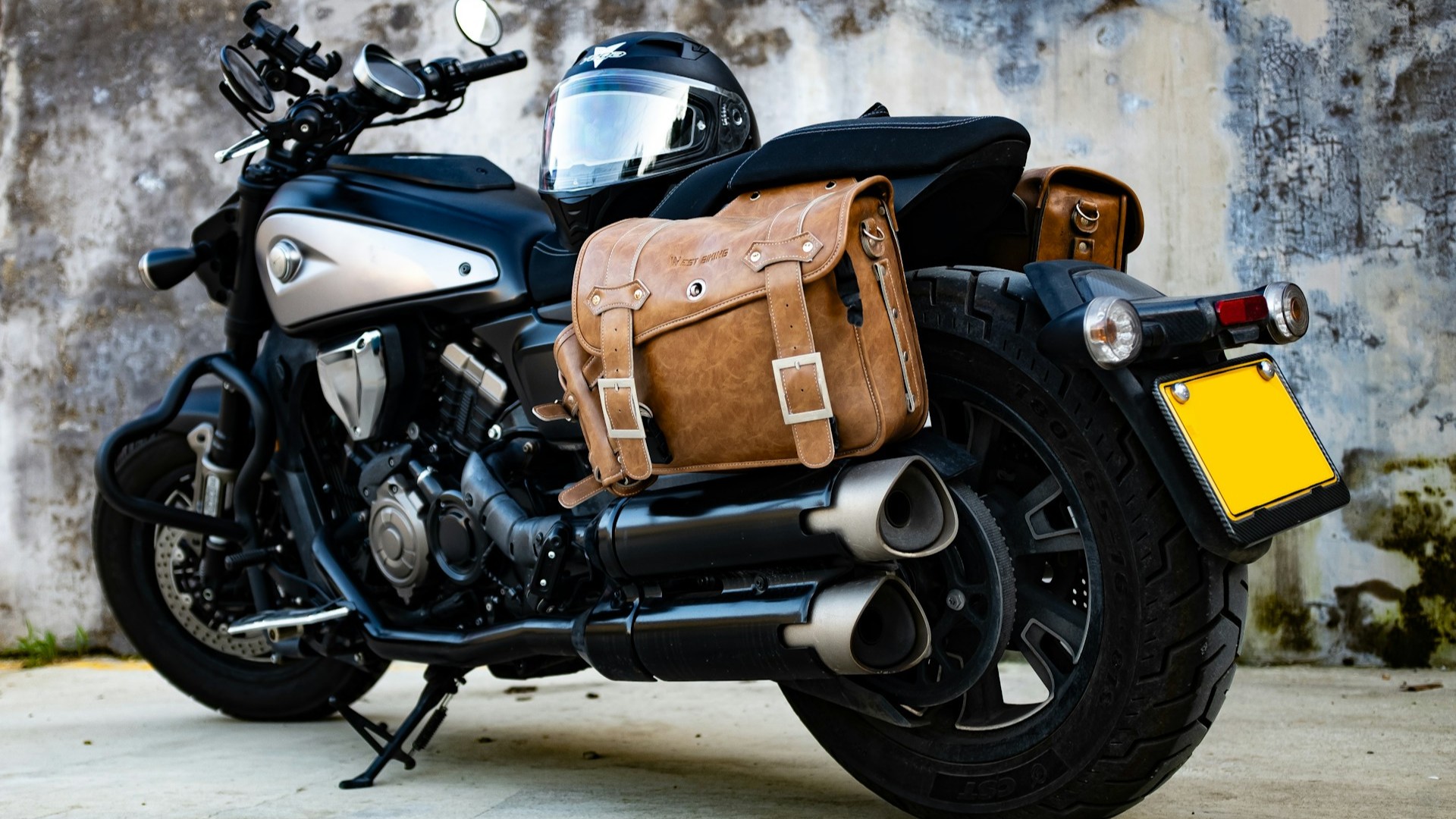
Your Old Helmet
Helmets feel like they should last forever, but the foam and padding inside wear down. The Snell Memorial Foundation says, “Snell recommends replacing helmet after five years of normal use,” and adds that if a helmet has been in an impact, you should replace it, because “even good helmets cannot provide adequate protection the second time.” Snell also notes that this is a judgment call rather than a hard expiration date, and that an unused helmet stored in good condition does not simply expire on its own. So check the date on the label inside, think honestly about how many years of sweat and sun it has seen, and remember every tumble counts. If the helmet has been dropped hard or you cannot remember its age, it is time for a new one.
Tires That Have Aged Out
A tire with plenty of tread can still be too old. Tire Rack reports that Chrysler, Ford and General Motors each recommend replacing original equipment tires after six years, and that Japan’s tire makers association recommends replacing tires made more than ten years ago even if they look usable. Tire Rack puts the useful life of properly stored street tires at roughly six to ten years. For bikes, the rider training group TEAM Arizona suggests removing any tire that has been on a bike more than five years. To check, find the four digit code near the DOT number on the sidewall. The first two digits are the week and the last two are the year. A spare leaning on the garage wall counts too.
Gasoline That Has Been Sitting Too Long
That red can in the corner may be full of gas that has gone stale. According to Bob Vila, properly stored gasoline usually lasts about three to six months, and ethanol blended gas, which is most of what is sold at the pump, lasts about three months at most. With a fuel stabilizer, it can stretch to roughly one to three years, but a stabilizer cannot rescue old or contaminated fuel. Old gas can gum up a carburetor and leave you with a bike that will not run. Don’t pour it on the ground or down a drain. Bob Vila recommends taking contaminated gas to a government approved disposal site, so call your county’s waste office to find out where and when they accept it.
Brake Fluid That Has Seen Better Days
Brake fluid is easy to forget because it is sealed up, but it does not last forever. The Car Care Council, quoted by Tuffy Tire and Auto, says brake fluid absorbs moisture, which can contaminate it in two years or less, and that this can cause the fluid to vaporize under heavy braking and reduce braking efficiency. The council recommends replacing it every two years or 24,000 miles. So if the fluid in your bike or truck has not been touched in years, that is the first job. And that half used bottle on the shelf, opened sometime around the last century? Given what we know about moisture, I would not trust it for a brake system. Take leftovers to your local household hazardous waste drop off instead of tossing them in the trash.
Rags Soaked With Oil or Stain
A pile of oily rags in a corner feels harmless, but the National Fire Protection Association warns that rags used with paints, stains and varnishes can trap heat and potentially cause fires, as reported by WFTV. The NFPA advises against piling them up, especially indoors. Instead, spread them out to dry outside so heat cannot build up, then store them in a metal container with water or a detergent solution, kept in a cool spot away from sun and heat. Keep any flames away from them. It takes a few minutes, and it is a lot cheaper than a garage fire. The same report says gasoline belongs only in approved containers kept outdoors, in a detached garage or a shed, never indoors.
An Expired Fire Extinguisher
You want a fire extinguisher in the garage, but you want one that works. Fire protection company Kord Fire says dry chemical extinguishers typically last about 10 to 12 years, and that internal seals, valves and propellant can wear out even if you never used it. A needle in the red zone on the gauge means low or no pressure. Dents, rust, corrosion and a cracked hose are also warning signs. Kord’s advice is to inspect monthly and get professional service yearly. When it is time to retire one, don’t toss it in the trash, since pressurized containers are dangerous in a landfill. Take it to your fire department, a hazardous waste facility or a fire equipment dealer, and don’t try to empty it yourself.
Jugs of Used Motor Oil
Those jugs of used oil in the corner are not trash, and they are not something to pour out back either. The Drive, citing the Environmental Protection Agency, reports that the oil from one oil change can contaminate up to 1 million gallons of drinking water. The good news is that getting rid of it is easy. The Drive says almost every auto parts store recycles motor oil, and municipal hazardous waste facilities and many garages accept it too. Keep it in a sealed container, don’t mix it with antifreeze or transmission fluid, and bag the old filter, since an empty looking filter can still hold several ounces of oil. Clear it out this weekend and you gain floor space and peace of mind.
Frayed Tie Down Straps
Ratchet straps and tie downs that ride along in the saddlebags or the truck bed take a beating from sun, heat and sharp edges. Trucking Depot’s inspection guide says to check webbing for cuts, tears, fraying or damaged threads, and to look for melted fibers, shiny or hardened spots from heat, broken stitching, mold, and bent or rusted hardware that does not move smoothly. If you see any of that, the guide says to stop using the strap immediately because it is unsafe. That matters when a strap is holding a bike on a trailer or a load in the bed. A new set of straps costs far less than a bike on the pavement. Cut the bad ones in half before you toss them so nobody pulls them out of the trash and uses them again.