

You pull up to the pump, and there it is, the little button that offers a little more. Premium. It sounds like the better choice. The label says so, the price says so, and somewhere in the back of your mind, a voice says that giving your car the good stuff has to be good for it.
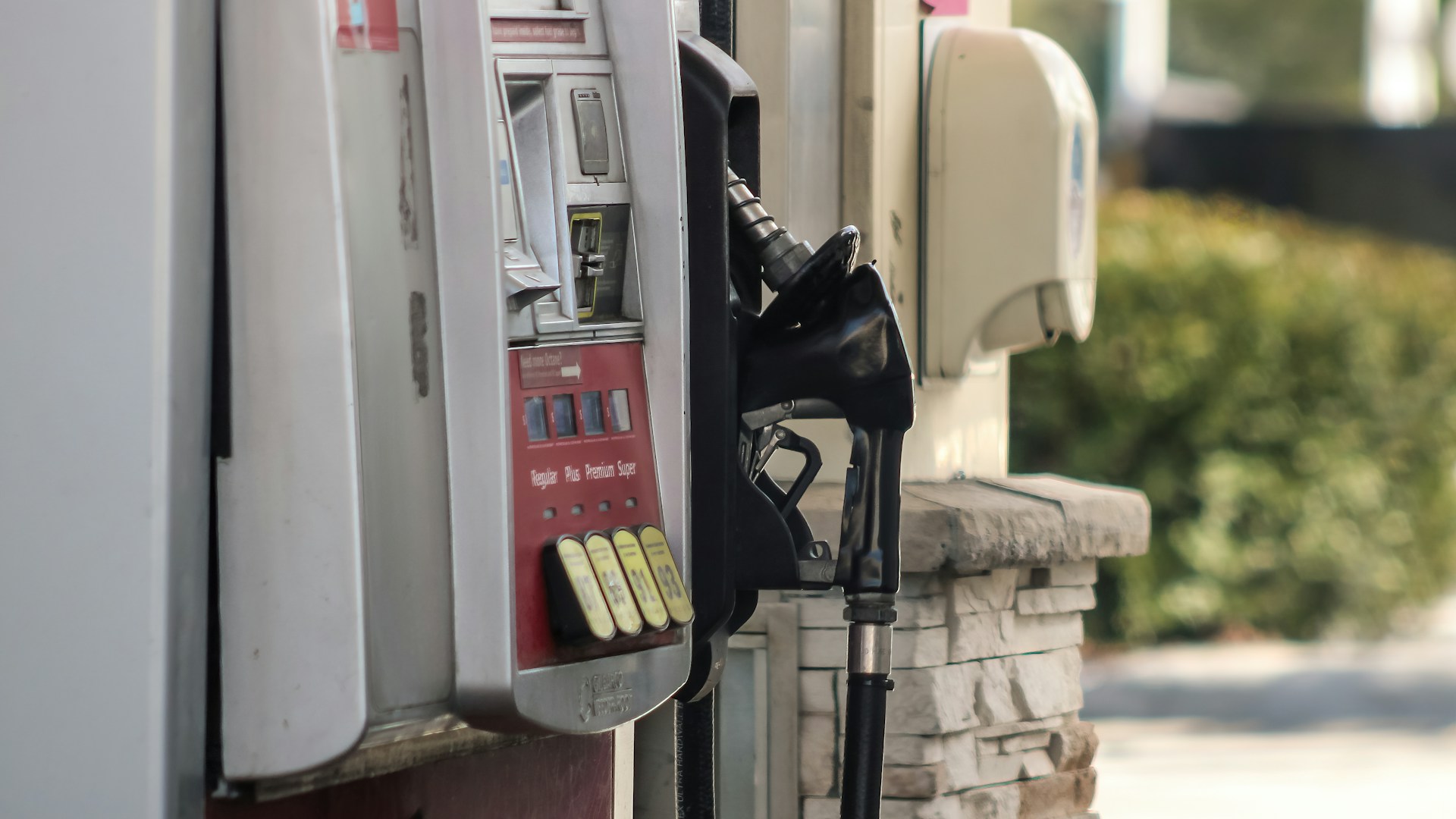
For plenty of drivers, that voice is costing them money for nothing. If your engine does not need premium, filling up with it does not buy you a better engine, and it may not buy you any benefit at all. The key is knowing what your car actually asks for, and the difference between two small words in your owner’s manual: recommended and required.
What Octane Really Does
The grade of gasoline is tied to its octane rating, which measures how well the fuel resists knock. Knock, sometimes called pinging, happens when fuel in the cylinder ignites at the wrong moment instead of burning smoothly. Higher-octane fuel resists that better. It does not mean the gas has more energy in it, and it is not a cleaning product, a power booster or a treat for the engine.
Engines designed with high compression or turbochargers tend to be more prone to knock, and so those are the engines that are built around higher-octane fuel. An engine designed for regular fuel gets nothing special from the premium pump, because it was never at risk of knocking in the first place.
Recommended Versus Required
This is where the confusion lives. Look in your owner’s manual in the fuel section, and look at the label inside the fuel door or near the filler. The wording matters.
- Premium required: The engine was designed for premium fuel. Using lower-octane gas can risk knock and, over time, engine damage. If your manual says required, follow it.
- Premium recommended: The engine is designed to run best on premium, but it can also operate on lower-octane fuel. The engine’s computer can adjust for the difference, using sensors that detect knock and changing the timing to protect the engine. The trade-off may be some loss in performance or efficiency. Your manual explains what the manufacturer says to expect.
- No mention of premium: If the manual calls for regular, regular is what the engine was built for.
These words are not interchangeable. Reading the manual takes a couple of minutes and can clear up the question for good.
The Money Part
Premium costs more at the pump on every single fill-up. If your engine only needs regular, that extra amount, repeated tank after tank and year after year, adds up to real money with nothing to show for it. Spending it on fuel that your engine cannot use is like paying for a first-class ticket on a flight that has only one cabin.
If your vehicle only recommends premium, you have a choice to make. Some owners decide the potential performance gain is worth the extra cost. Others run regular and accept the small difference. Neither is wrong, but you should choose based on what the manual says, not on a hunch or a pump label.
Common Myths
- “Premium cleans the engine better.” Octane and detergent additives are separate things. Cleaning additives are a different matter from the octane grade, so a higher grade is not automatically a cleaner one.
- “My car feels faster on premium.” If the engine does not need premium, any difference you feel is likely small. If the engine requires or is tuned for it, you may notice more.
- “Regular will wreck my engine.” Not if your manual says regular is fine. It can be a problem if the manual says premium is required.
A Few Practical Tips
- Check the owner’s manual and the fuel door label so you know exactly what your vehicle asks for.
- If the wording is recommended, decide whether you are willing to pay for the possible edge.
- If the wording is required, buy premium and do not experiment.
- If you are not sure, ask a dealership service department to look up the fuel requirement for your exact model and year.
- Never assume that a friend’s car, even the same brand, has the same needs as yours. Different engines in the same model line can call for different fuels.
A Note On Older Cars
Older vehicles and special cases, such as classics with high-compression engines or modified performance cars, may have their own needs. If you drive something unusual or have had engine work done, check with the person who works on it before deciding.
The bottom line is simple. Premium is not a magic upgrade. It is a tool for engines that are built to use it. Open your manual, find the word, and let your car tell you what it wants. Then keep the extra money in your own pocket whenever the manual says you can.
More Stories You May Like
- Owner Calls His 2026 Toyota Sequoia the Worst Toyota He Has Ever Owned and Is Selling It and Tells Why
- Professional Detailer Shows the Right Way to Wash Your Car at Home and Says Protecting the Paint Is What Separates a Real Wash From the Car Wash Down the Street
- Old School Mechanic Shows How A Torch And A Socket Can Help When Pressing A Wheel Bearing Without Cutting The Race Off The Hub