


You’re about to explore a hidden side of the muscle car era where production numbers dropped, options grew wild, and a few machines became nearly mythical. You’ll learn why some of the most powerful and desirable models slipped into obscurity and why spotting one in person feels like finding a lost treasure.
This article guides you through eight ultra-rare muscle cars — from factory specials to limited-run performance beasts — so you can appreciate what made them unique and why they matter to collectors and enthusiasts. Expect concise histories, the reasons for their rarity, and what makes each car worth seeking out mentally, if not in real life.
1969 Ford Mustang Boss 429

You’ll rarely see a Boss 429 on the street; Ford built just 859 in 1969 to homologate its big-block for racing.
Its 429 ci V8 and wide hood scoop make it instantly recognizable, and many surviving examples are museum pieces or private-collection cars.
If you spot one, it’s likely a meticulously restored or barn-find story.
Expect high value, matching-numbers verification, and long gaps between public sales.
1970 Plymouth Hemi ‘Cuda
You’ll rarely see a genuine 1970 Hemi ‘Cuda in person because fewer than 700 left the factory, making it exceptionally scarce.
The car pairs a race-bred 426 Hemi V8 with a compact E-body chassis, so it looks compact but delivers massive performance.
If you spot one, expect meticulous documentation and high market value; collectors prize original options and matching numbers.
Even barn finds that surface after decades often require full restorations, so most examples live in museums or private collections.
1969 Dodge Charger Daytona
You’d spot the Daytona before you hear it — a pointed nose cone and a towering rear wing make it unmistakable. Only about 503 were built, so finding one in the wild is rare.
You’ll appreciate its NASCAR roots; Dodge designed it for high-speed stability and homologation. When you see one at a show, expect collectors to treat it like a blue‑chip piece of automotive history.
1971 Chevrolet Chevelle LS6
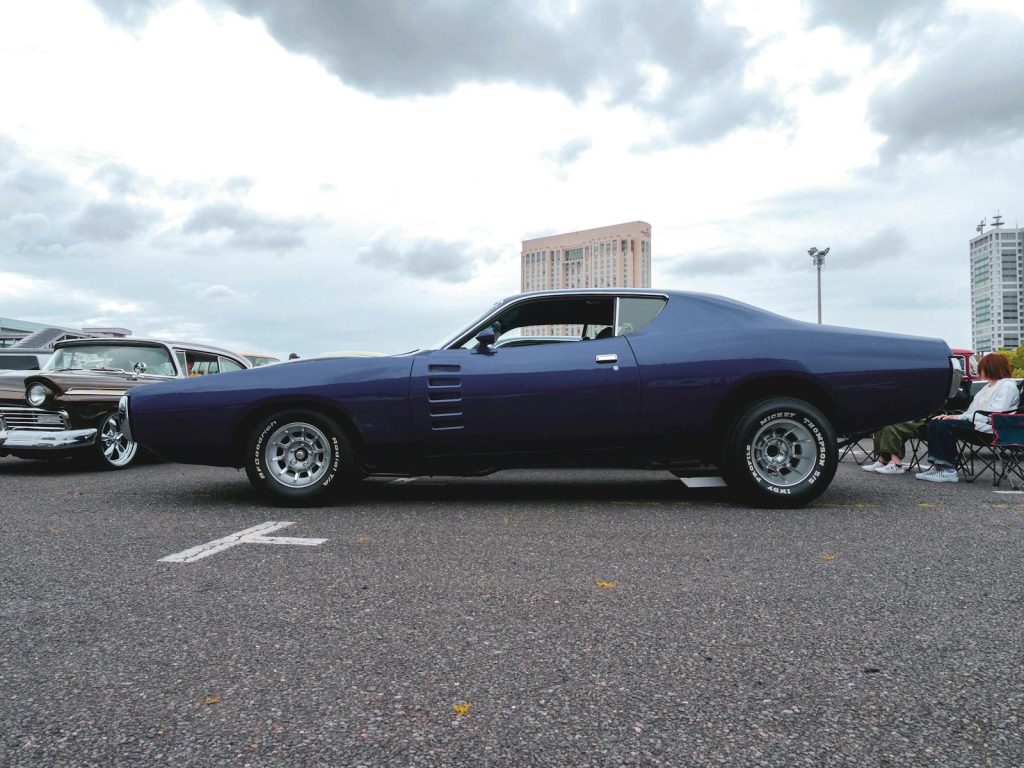
You rarely, if ever, see a true LS6-badged 1971 Chevelle because Chevrolet pulled the LS6 454 from the lineup before production. What reaches shows are usually 1971 cars fitted later with big-block engines to mimic the legendary 1970 setup.
If you find one, inspect the paperwork and casting numbers closely; many are tribute builds rather than original LS6 survivors. The real rarity comes from the gap between what buyers wanted and what Chevy actually offered in 1971.
1970 Pontiac GTO Judge
You rarely encounter a 1970 GTO Judge in the wild — they were produced in limited numbers and many were scrapped or modified.
Its bold styling and available Ram Air engines made it a standout, especially the ultra-rare convertible and Ram Air IV variants.
If you hunt shows or auctions you might spot one, but expect high prices and meticulous restoration histories.
Seeing an original, numbers-matching Judge in person feels like finding a piece of muscle-car history.
1968 AMC AMX 390
You’d spot the AMX 390 by its short two-seat profile and rumbling 390 cubic-inch V8.
It was AMC’s bold answer to Corvette — rarer and priced more accessibly when new.
You might not see many today; limited production and collectors’ demand keep examples scarce.
If you find one, expect raw muscle-car character and a surprisingly nimble chassis for its era.
1970 Oldsmobile 442 W30
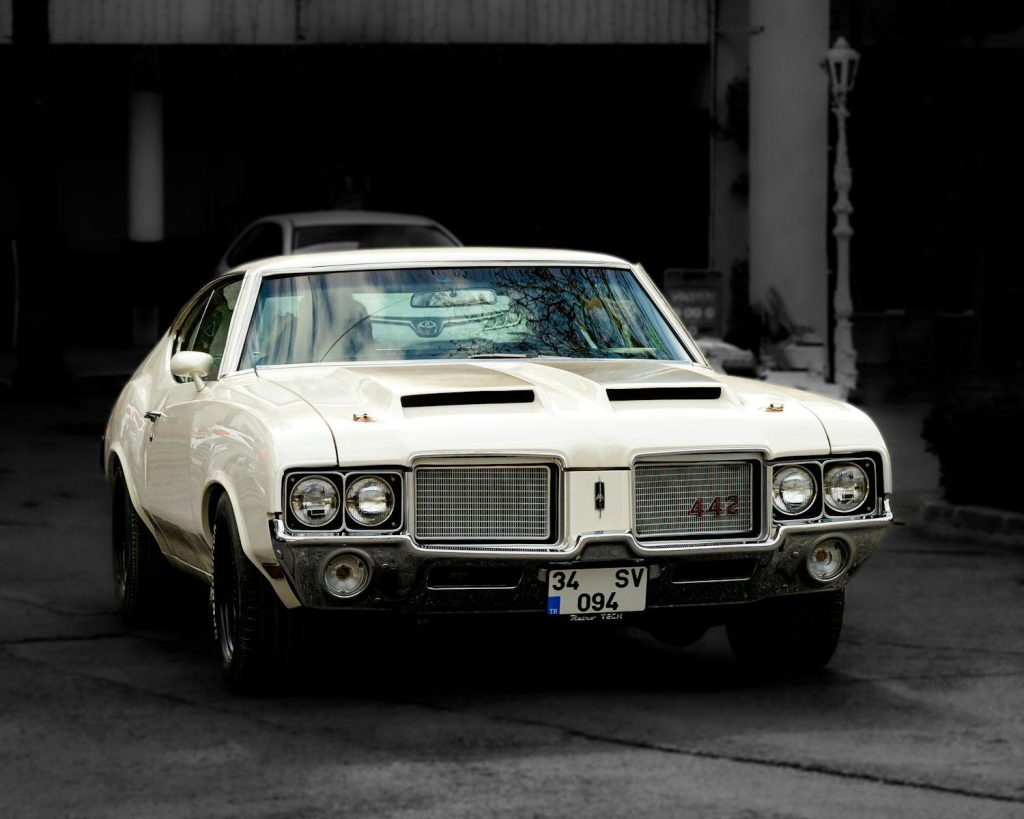
You rarely see a W30 in person because it was produced in very limited numbers and hides among more famous muscle cars.
Its 455-ci V8 delivers big torque and a distinct Oldsmobile character you’ll notice even before you hear it.
Owners often restore them painstakingly, chasing numbers-matching parts and original trim.
If you find one, expect sharp details, period-correct options, and a car that represents late-era GM muscle.
1970 Buick GSX Stage 1
You’d spot the GSX Stage 1 by its bold stripes and aggressive stance, a rare Buick that aimed straight at true muscle-car buyers.
Only a few hundred left the factory with the Stage 1 package, and even fewer came with a four-speed manual, so seeing one in person is unlikely.
Under the hood sits a torquey 455 V8 tuned for Stage 1 performance, giving strong low-end shove without theatrics.
Collectors prize original, numbers-matching examples, which pushes values and keeps most survivors tucked away.
More from Steel Horse Rides: