

You know the itch to buy a truck that looks or sounds amazing — but feels wrong once you do the math. This article helps you spot models that cost more than they give back so you can protect your wallet and avoid buyer’s remorse.
You’ll learn which trucks tend to deliver poor value and why, so you can make smarter choices when shopping or negotiating. Expect clear reasons tied to ownership cost, reliability, and long-term resale.
Ram 1500 TRX
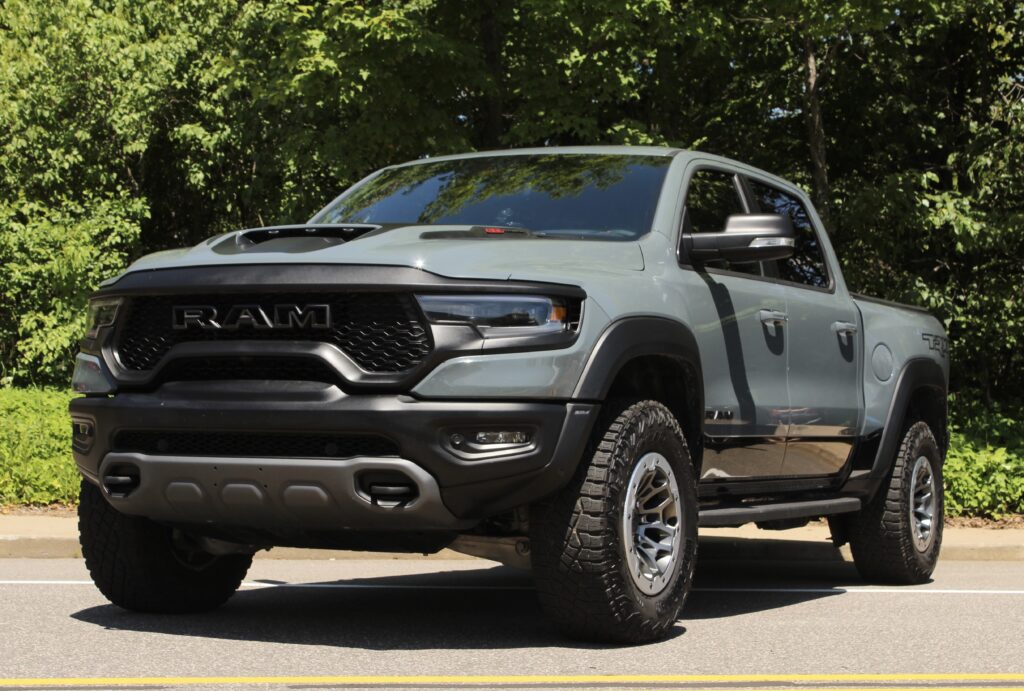
The TRX packs supercharged V8 power that thrills, but you pay a premium for performance that most owners rarely use.
It rides large and heavy, which makes daily driving and tight parking awkward compared with midsize rivals.
Expect steep fuel, insurance, and maintenance costs that often outweigh the fun factor.
If you want capability without excess cost, consider more practical trims or competitors with better value and reliability, like the Ram 1500 non-TRX or a Ford F-150.
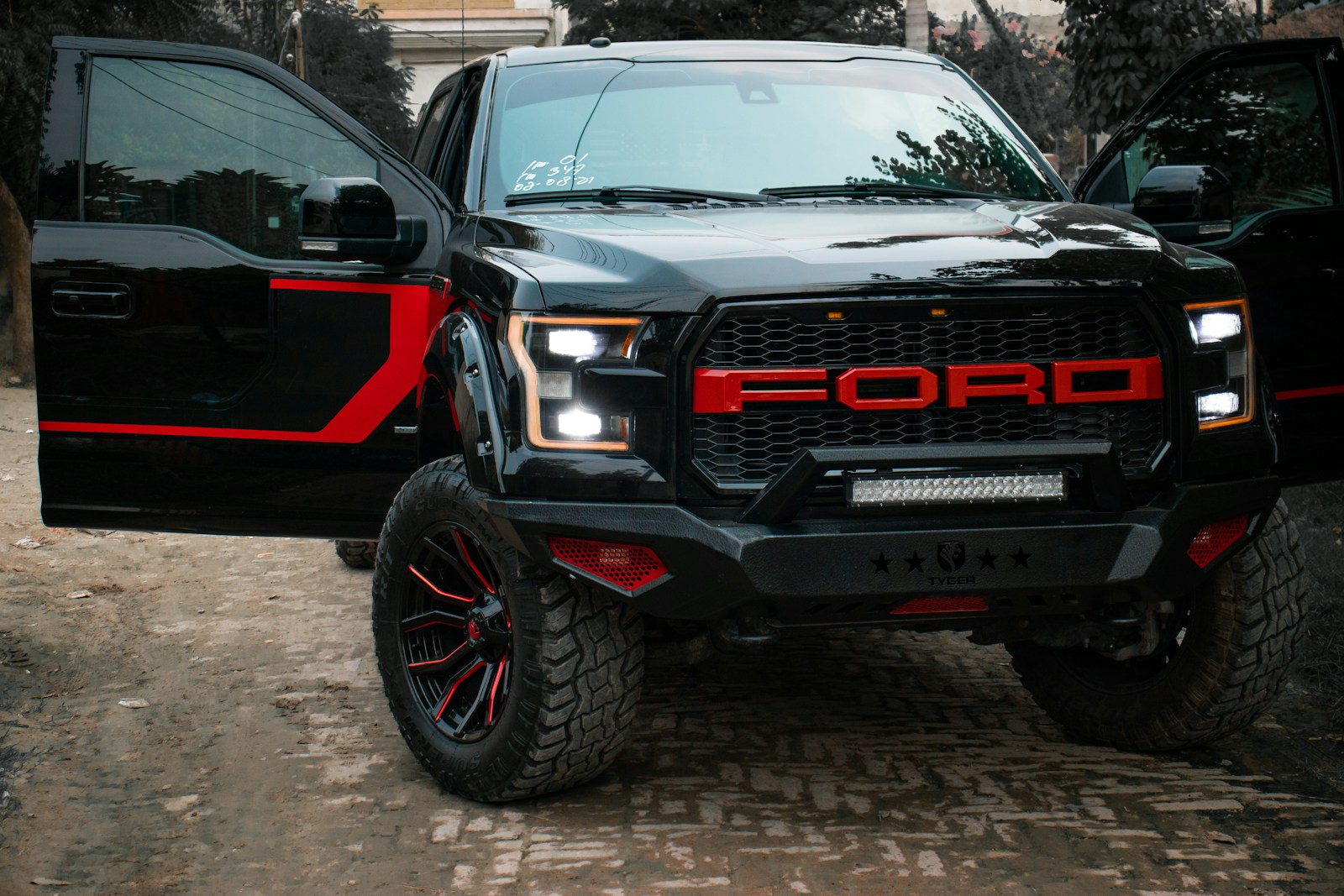
Ford F-150 (2018 model)
If you’re shopping used, watch for transmission and electrical glitches that can raise repair costs quickly.
The 2018 F-150 still feels roomy and capable, but recurring reliability complaints mean you might pay more in downtime and fixes than you expect.
Towing and payload are strong, yet some turbo engines drew criticism for long-term durability.
Check vehicle history and get a pre-purchase inspection before you commit.
Consider alternatives if low maintenance cost and long-term reliability matter most to you.
NAPCO Chevy and GMC trucks (1942-1959)
You’ll see NAPCO conversions on Chevrolets and GMCs from the 1940s and ’50s, built by a Minneapolis company that added 4×4 gear to stock pickups.
They’re neat mechanically, but parts and specialty knowledge can cost you, especially for rare models restored to concours standards.
If you want a daily driver, expect compromises: older drivetrains, quirky parts fitment, and higher maintenance than factory-built 4x4s.
For many buyers, the premium for authenticity doesn’t match practicality.
More from Steel Horse Rides: