

It sounds like a smart way to save a few dollars. You have an oil change coupon, the dealership is open on Saturday, and it is convenient. But for one Honda CR-V owner, a simple coupon visit turned into a warning that his oil pan was leaking and needed to be replaced. A shop owner on TikTok, @talkingshop716, says that when his team looked at the same vehicle, there was no oil to be found.
The story is a reminder that a second opinion can be worth far more than the time it takes to get one. Here is what the shop owner described, and how to protect yourself if you ever hear a big repair recommendation after a routine visit.
@talkingshop716
A Coupon, A Saturday, And A Big Recommendation
According to the shop owner, the customer went to a local dealership because he had an oil change coupon and the service department works on Saturdays. It was handy, and nothing about it seemed unusual. But while the car was there, the dealership told him the underside of his engine was completely covered in oil. The oil pan, they said, was leaking, and it needed to be replaced.
The customer had been to the independent shop before, so he reached out and asked a reasonable question. Could the shop verify whether the oil pan was really leaking and give him a quote if it was? The shop owner says his answer was simple. If it was leaking, sure, they would quote the repair.
What The Shop Says It Found
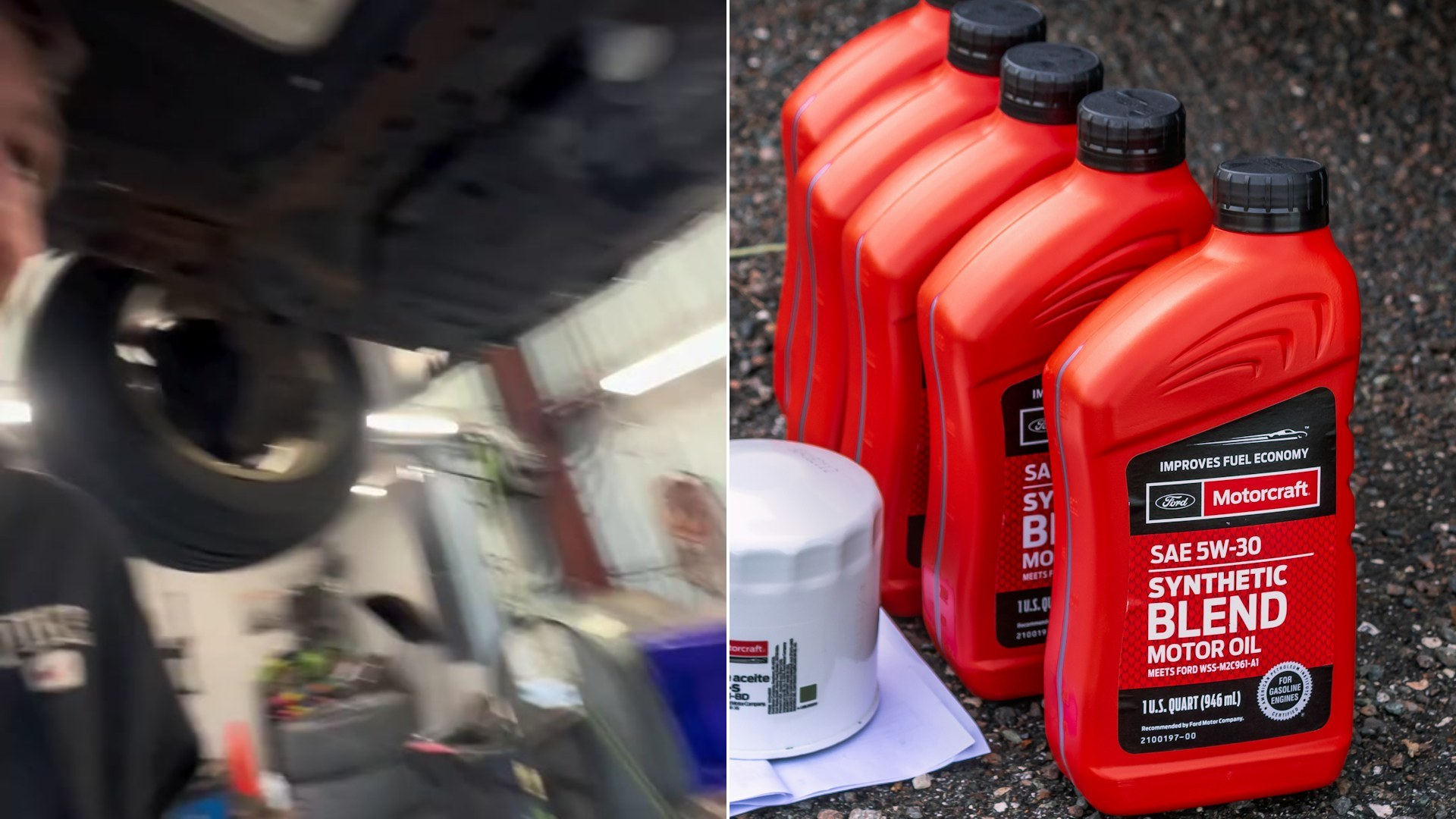
Once the CR-V was up in the air, the shop owner says he could not verify any oil leak at all. He pointed out that in his experience these CR-Vs are usually covered in oil in a few common places, such as around the isolators, on the timing cover and along the front sides of the engine. In this case, he says, there was nothing. As he put it, there was literally no oil on this engine.
He also addressed the argument he knew some people would make. Maybe the dealership cleaned the engine off just to be nice after the customer turned down the work. The shop owner does not buy it. He says he does not know of a flat rate mechanic left in the trade, other than a few good people, who would clean that off for a customer after the repair was denied. Flat rate pay means a technician is paid for the job, not the hours, so spending time on a free cleanup does not fit the system.
His bigger point was about honesty. He said he hopes dealerships can start being more honest, because you can only lie to people for so long before you lose business. He argued that there is enough money to be made in the industry without roping people in with small oil change coupons and then trying to sell services they do not need. His advice to everyone was short and clear. When in doubt, get a second opinion and protect yourself.
It is worth saying that this is one shop owner’s account, told from his side, and the dealership is not named. Plenty of dealership service departments do honest work, and many customers have good experiences. The lesson here is not that every dealer is dishonest. It is that any large recommendation deserves a closer look, especially when it comes up during a low priced visit.
Why Coupon Visits Can Lead To Big Recommendations
Oil change coupons are a common way for service departments to bring in new customers. There is nothing wrong with using one. The oil change itself is often a smaller part of the business than the repairs that may follow, and that is why it is smart to go in with a plan. Decide ahead of time what you came for, and be ready to say that you will think about anything else before approving it.
A leaking oil pan is a real problem when it happens, but it is also something you can often check for yourself. Oil that is leaking usually leaves fresh, wet streaks and drips on the ground where you park. If you have not noticed spots under the car, that is a clue worth mentioning to the service advisor.
How To Protect Yourself
The Federal Trade Commission has plain advice on this subject in its guide to auto repair basics. A few of its points fit this story well.
- Get a written estimate. The FTC says it should identify the problem, the parts needed, and the expected labor charge, and you should get a signed copy.
- Consider a second opinion. It recommends one for expensive or complicated repairs, or any time you question the recommended work. Ask whether you will be charged a diagnostic fee if you take the work elsewhere.
- Ask for the old parts. The guide suggests asking for replaced parts back, and notes that state law may require the shop to return them.
- Ask questions about extras. If a shop recommends a service beyond the manufacturer’s schedule, ask them to explain why.
- Request a repair order. It should list each repair, the parts, and the costs, so you can see exactly what was done.
To that, you can add a few simple steps of your own. Ask the service advisor to show you the leak, either in person or with a photo taken during the visit. Look at the underside of your car with a flashlight if you can do it safely. Check your oil level on the dipstick, since a real leak big enough to need a new pan would usually lower it over time. And remember that you are never required to approve a repair on the spot. Saying you want to think it over is always acceptable.
The Takeaway
This owner did the right thing. Instead of simply paying for a repair he was unsure about, he asked another shop to take a look. In this case, the second set of eyes saved him from paying for an oil pan replacement that, according to the shop owner, the car did not need.
The next time a routine visit turns into a long list of recommendations, take a deep breath, ask for details, and get another opinion before you spend serious money. A little patience is one of the best tools any car owner has.