

Quick question: when was the last time you put a gauge on your tires? If you have to think about it, you are in good company. A research brief from the AAA Foundation for Traffic Safety took a hands-on look at real vehicles and turned up some surprising tire trouble sitting right there in the driveway.
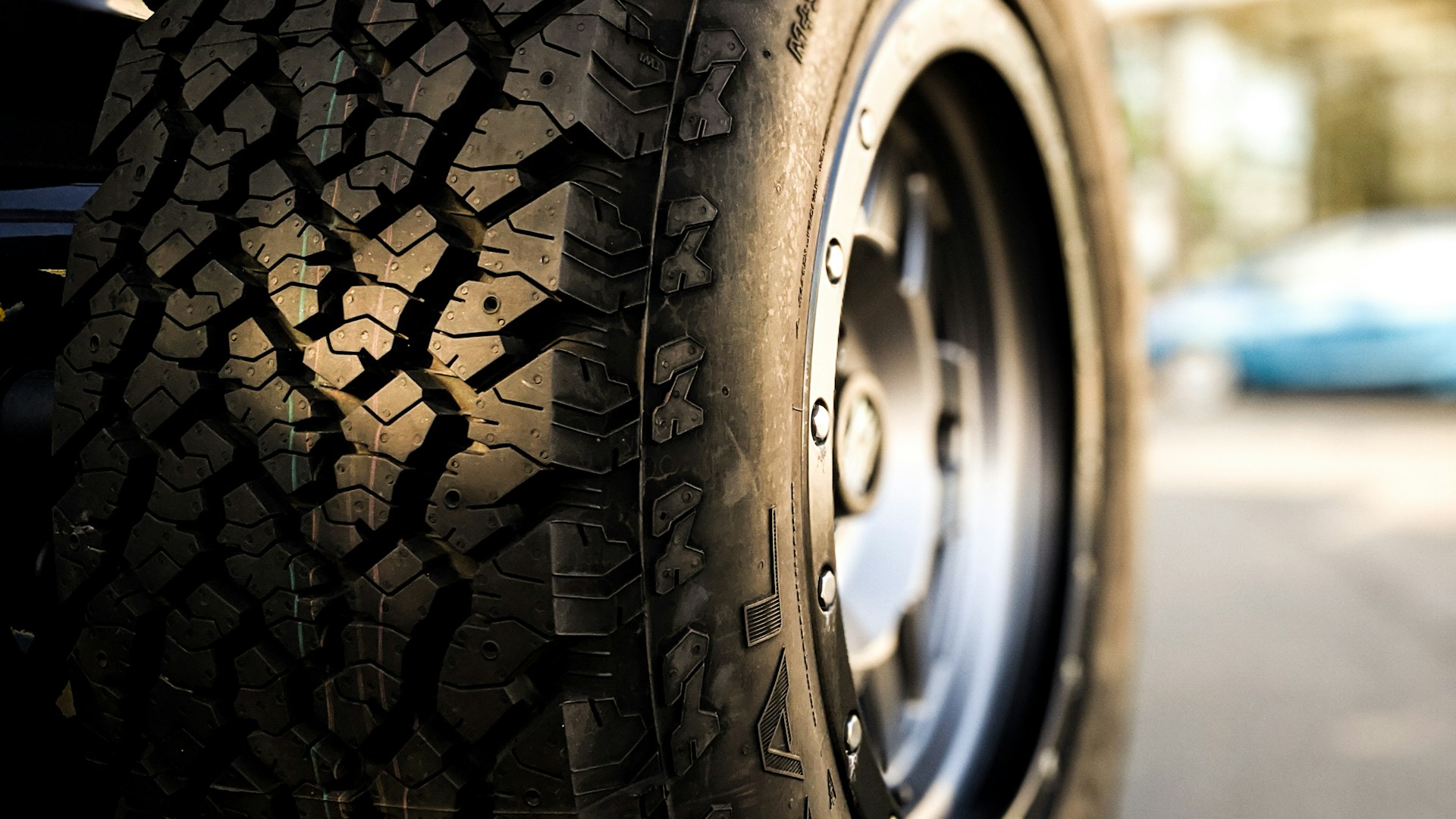
The brief, published in April 2018 as part of the foundation’s LongROAD research, covers inspections of 2,988 vehicles driven by people aged 65 to 79. The data was gathered from July 2015 to March 2017, so this is older research. But tires and tire pressure have not changed much in their basic rules, and the lessons hold up just fine today.
What The Inspectors Found
Here are the numbers that jumped out. Among the vehicles inspected, 15.0 percent had at least one improperly inflated tire. That breaks down into 6.8 percent with at least one underinflated tire and 8.6 percent with at least one overinflated tire. So it is not just a case of tires being low. Some had too much air, which is also a problem.
Tread was another issue. The inspectors found that 5.5 percent of the vehicles had at least one tire down to 3/32 of an inch of tread or less. That is thin. Tread is what channels water out from under the tire and gives you grip, so worn rubber matters most when the road is wet.
The inspection looked at more than tires. The check engine light was on in 4.3 percent of the vehicles. On a brighter note, 89.9 percent of the vehicles had windshields free of cracks and chips. That is a good sign.
One more finding deserves a mention. Among the lowest income group, 31.9 percent had improper tire pressure. That is a much higher share than the overall figure of 15.0 percent. It is a reminder that basic upkeep can slide when money is tight, and that a simple, nearly free check can be especially worthwhile for people watching every dollar.
Why Tire Pressure Matters
A tire that is low on air flexes more than it should, wears unevenly and can cost you fuel economy. It can also make the car feel mushy in turns and stretch out the distance you need to stop. A tire that is overinflated can ride rough, wear down the middle of the tread and give you less of a grip patch on the road. Either way, you are paying for tires that do not do their best work.
Temperature plays a part as well. Air in a tire contracts when it gets cold, so pressure tends to drop as the weather turns. That is why a car that seemed fine in October can be a few pounds low by the first hard freeze.
A Five Minute Tire Routine
You do not need fancy tools. A basic pressure gauge costs very little and lives happily in the glove box. Here is how to use it.
- Find the right number. The correct pressure is not on the tire itself. Look for the sticker on the driver’s door jamb, or check your owner’s manual. The number on the tire sidewall is a maximum, not a target.
- Check when the tires are cold. Do it before you drive, or after the car has sat for a while, for the most accurate reading.
- Check all four, plus the spare if you have one. It is easy to forget the spare until the day you need it.
- Add or release air as needed. Most gas stations have air pumps, and many tire shops will top you off for free.
- Look at the tread. A quick glance for uneven wear, cracks or bulges can tell you a lot. If the tread looks very low, have a tire shop take a look.
Do Not Ignore The Lights
That 4.3 percent with the check engine light on is worth a thought. A glowing light does not always mean disaster, but it does mean the car’s computer has noticed something. Many auto parts stores and repair shops can read the code, and knowing what it says lets you decide what to do next. Ignoring it and hoping it goes away is the gamble.
The same goes for the tire pressure warning light on newer cars. If it comes on, do not shrug it off. Pull over somewhere safe and check.
Small Habits, Big Payoff
Nothing in this research is dramatic, and that is exactly the point. The most common problems found in these inspected vehicles were the quiet ones: a little too much air, a little too little, a little too much wear. They are the kind of thing that does not call attention to itself until a blowout or a wet road makes it matter.
So make it a monthly habit. Put the gauge on all four tires, glance at the tread, and take a look at the dashboard. It takes minutes, it costs next to nothing, and it is one of the simplest ways to keep your family safer on the road. Your tires are the only part of the car that actually touches the ground. They deserve a little attention.
More Stories You May Like
- Mechanic’s Dad Crunched Two Years Of Repair Orders And Names The Five Most Expensive Vehicles To Fix Led By Jaguar At More Than Fifteen Hundred Dollars A Visit
- Detailer Shares How a One Man Team Can Finish a Full Car Interior in Just Two Hours, and Step One Happens Before the Vacuum Ever Comes Out
- Detailer Breaks Down the Exact Order the Pros Use to Wash a Car on a BMW M4 and Says You Should Always Start With the Wheels First Every Time