

The sky goes dark, the first fat drops hit the windshield, and you flick on the wipers. Instead of a clean sweep, you get a smear. A greasy, blurry arc that makes the road ahead look like a watercolor painting left out in the rain. Maybe the blades chatter and skip. Maybe they squeal. Either way, you are suddenly driving on a highway with traffic around you and a lot less visibility than you had a minute ago.
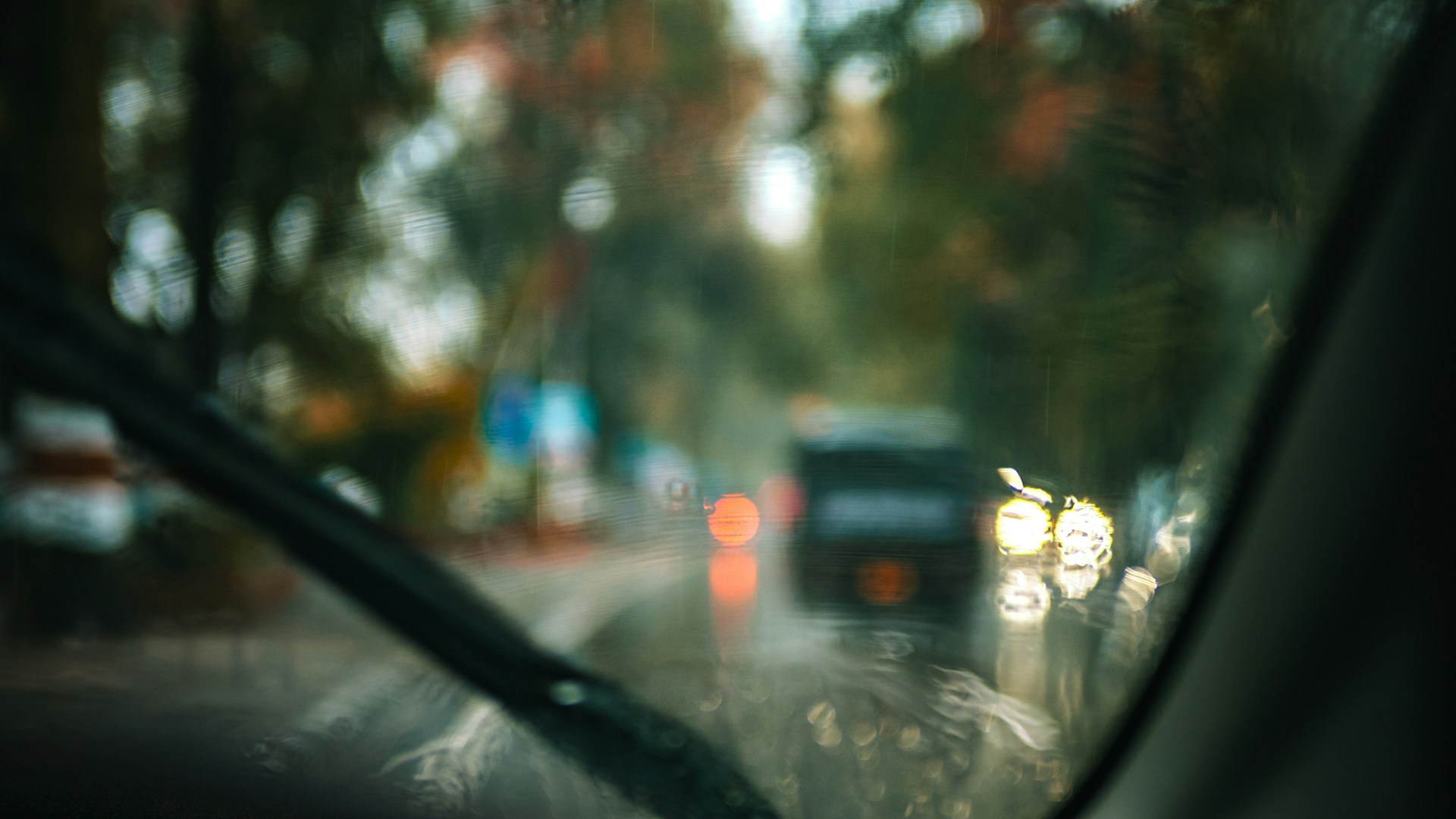
That is the moment a lot of drivers finally decide to replace their wiper blades. And it is exactly the wrong moment to find out they were worn out. Wipers are one of the cheapest safety parts on a vehicle, and they are worth taking care of before the storm arrives.
Why Wiper Blades Wear Out
The business end of a wiper blade is a strip of rubber. That rubber lives outdoors, baking in sunlight, freezing in winter, collecting grit and rubbing across glass again and again. Sun and age harden it. It loses flexibility, develops cracks and nicks, and starts to lose the clean, even contact with the glass it needs to clear water properly.
Because the decline is gradual, you often do not notice it. The blades get a little worse each season, and your eyes adjust. Then a heavy rain exposes the problem all at once.
Signs It Is Time To Replace Them
- Streaking: Lines of water left behind after each pass
- Smearing: A hazy film across the glass that does not clear
- Chattering or skipping: The blade jumps across the windshield instead of gliding
- Squeaking or squealing: Noise when the wipers move, even on a wet windshield
- Visible damage: Cracked, torn, split or curled rubber, or a bent frame
- Gaps: Spots on the glass the blade is not touching at all
If you see any of these, replace the blades. There is no reason to wait for a downpour to prove the point.
Replace Them On A Schedule
Do not wait for failure. Make blade checks part of your routine. Look at them whenever you check your oil or fill up your washer fluid. Run a finger gently along the rubber edge and see if it feels stiff, rough or nicked. Your owner’s manual may include guidance on replacement, and the blade manufacturer’s packaging usually has advice as well. If you live somewhere with intense sun or harsh winters, blades may wear faster, so inspect them more often.
A good habit is to replace them at the start of the season when you expect the most rain or snow, so you head into the worst weather with a fresh pair.
It Is An Easy, Cheap Fix
This is one of the simplest repairs on a car. Most blades lift away from the wiper arm with a small tab or clip, and the new ones snap on. Auto parts stores can look up the right size for your vehicle, and many will help you install them. Note that the driver side and passenger side blades are often different lengths, and some vehicles have a rear wiper as well. Check the manual or a parts guide so you get the right sizes.
A word of caution. When you remove a blade, hold the wiper arm so it does not snap back against the windshield. A sudden snap can crack the glass. Many people lay a folded towel on the glass under the arm as insurance.
Make The New Blades Last
- Clean the windshield. Dirt and grime wear blades faster. Wash the glass regularly.
- Wipe the blades. A cloth dampened with washer fluid or water can clear off grit from the rubber edge.
- Never run them dry. Using wipers on dry glass causes friction and wear. Use the washer fluid first.
- Clear ice and snow first. Frozen blades stuck to the glass can tear when the wipers try to move. Use the defroster and clear the glass before turning them on.
- Park out of the sun when you can. A shaded spot or a garage slows down the damage from sunlight.
- Keep washer fluid topped up. A good spray helps the blades glide, and you want it ready when a muddy splash hits.
Do Not Forget The Glass
Sometimes the blades are not the whole story. A film of road grime or residue on the windshield can cause streaking even with new rubber. If fresh blades still smear, give the glass a thorough cleaning inside and out. Check that the wiper arms are not bent or weak, because an arm that does not press the blade properly can leave gaps.
Small Part, Big Difference
Good visibility is one of the most basic parts of driving safely. A fresh set of wiper blades is a small expense compared with the cost of an accident or the stress of squinting through a storm. Check yours today. If they streak, chatter or look worn, swap them out, and the next time the sky opens up, you will see the road clearly and keep your focus on driving.
More Stories You May Like
- Truck Shop Mechanic Names The One Modification Nobody Should Ever Make And Says It Destroys Wheel Bearings And Wears Out Suspension Faster
- Car Buying Coach Says Never Buy A Car Until The Last Three Business Days Of The Month, And Explains The Sales Targets Dealerships Do Not Advertise
- Detailer Breaks Down the Exact Order the Pros Use to Wash a Car on a BMW M4 and Says You Should Always Start With the Wheels First Every Time