

Ask a room full of drivers over sixty how to treat a car in the morning and you will hear the same advice from half of them: let it run for a good long while before you go anywhere. Ask about the gas pump and the other half will tell you to keep squeezing the handle after it clicks, just to get a little extra in. Both habits come from honest places. Both were handed down by people who learned on older cars. And on a modern car, both can quietly cost you money.
The good news is that fixing them is free. You do not have to buy anything or learn anything fancy. You just have to change what your hands and your patience do for a few seconds at the start of a drive and at the end of a fill-up.
Why Everyone Used To Warm Up The Engine
There was a time when warming up the engine was not just a habit, it was a necessity. Older cars used a carburetor to mix air and fuel, and a cold carburetor was a fussy thing. If you pulled away too soon, the car could stumble, stall or run rough until it heated up. A patient owner who let it idle was simply being smart.
Cars today are built differently. Modern engines use fuel injection, and a computer adjusts the fuel mixture on the fly based on what the engine is doing and how cold it is. The car does not need you to stand guard while it figures things out. Sitting in the driveway with the engine running for ages mostly burns fuel and gets you nowhere, literally.
What Idling In The Driveway Really Does
An idling engine uses gas and travels zero miles. That is a bad trade any day of the week. On top of that, an engine at idle does not warm up as quickly as one that is working gently on the road, so you can sit there longer and still have a car that is not at full operating temperature. Gentle driving is generally the faster way to get everything up to temperature, including the transmission, the steering and the tires, which an idling car does nothing for at all.
For most drivers, the plain-spoken advice is this: start the car, give it a brief moment to settle while you buckle up and check your mirrors, then pull away and take it easy for the first few minutes. Skip the hard acceleration and the high revs until the temperature gauge has come up. That is kind to the engine and kind to your wallet.
There are honest exceptions. Very cold weather can call for a bit more patience, and some vehicles, such as certain diesels, have their own guidance. Your owner’s manual is the final word, because the people who built your engine know it better than any neighbor, mechanic or magazine. If you want solid, general fuel-saving guidance from an official source, the federal government’s fueleconomy.gov site is a good place to look around.
The Pump Clicked, So Why Keep Squeezing?
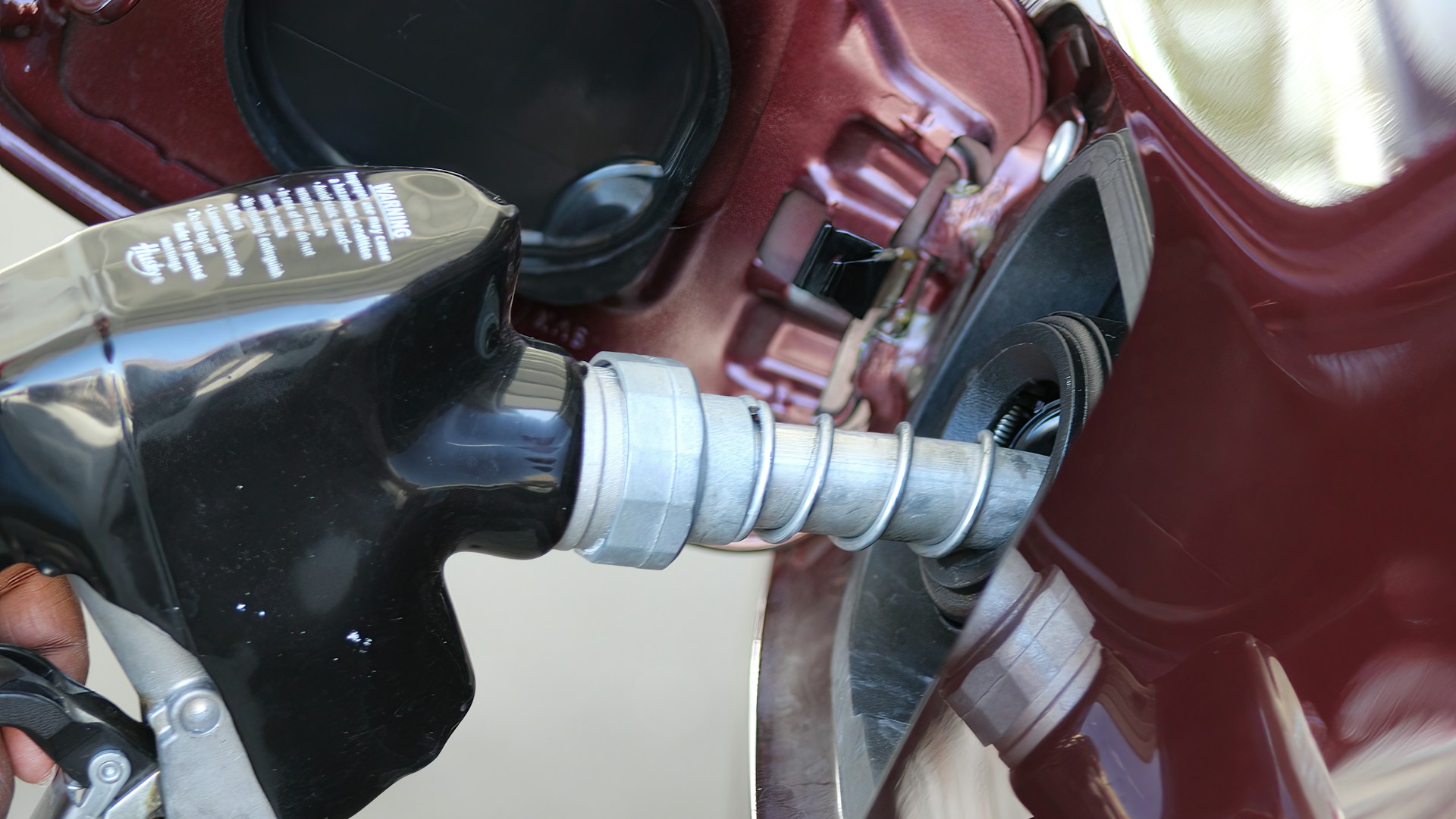
Now to the gas pump. The nozzle is designed to shut itself off when the tank is full. That click is not a suggestion that you have a little more room. It is the system telling you the job is done. Still, plenty of folks keep squeezing to round up to an even number or to squeeze in the last drops, and it feels harmless.
It is not as harmless as it looks. Your car has a vapor control system, often called the evaporative emissions system, whose job is to catch fuel vapors from the tank so they are not released into the air. Part of that system is a canister built to handle vapor. It is not built to soak up liquid gasoline. When you top off past the click, you can push liquid fuel into places it was never meant to go, and that can foul the vapor system.
What does that look like in real life? It can show up as a check engine light, rough or slow filling at the pump, or a repair that is far more annoying than the few drops of fuel ever were. You also take the chance of spilling gas on your shoes, your driveway and your paint, and spilled fuel can damage the finish on a car. Paying for gas that ends up on the ground is the opposite of a bargain.
Simple Habits That Fix Both Problems
- Start the engine, buckle up, check your mirrors, then go. Drive gently for the first few minutes.
- Skip the long idle in the driveway unless your owner’s manual or very cold weather says otherwise.
- When the pump clicks off, stop. Hang the nozzle up and tighten the gas cap until it clicks.
- Pay attention to the check engine light. A loose gas cap can trigger it, and so can vapor system trouble.
- Read the fuel and starting sections of your owner’s manual once. It takes a few minutes and answers most questions.
A Word About Old Habits
None of this means the folks who taught you these habits were foolish. They were right for the cars they drove. Cars changed, and the advice quietly stayed behind. A lot of money gets wasted this way, not through big mistakes but through small routines nobody has questioned in decades.
The gas cap deserves a special mention. It is a small part with a real job, because it seals the fuel system so vapors stay where they belong. A cap that is cracked, worn or not tightened all the way can set off a warning light and let vapors escape. If your light comes on right after a fill-up, check the cap first. Tighten it until it clicks, and if the light stays on for a while, have a shop take a look.
It is also worth remembering that every car is a little different. Hybrids, diesels and turbocharged engines can have their own recommendations. If you drive something unusual, or an older classic that still wears a carburetor, the warm-up advice you grew up with may still apply to you. For everyone else with a typical newer car, you can give yourself permission to relax.
Think about the last few years of your driving. If you let the car idle every morning, and topped off at every stop, you built up quite a collection of wasted gas and risked a vapor system repair along the way. Break the two habits this week and see how it feels. You will get to work sooner, spend less time standing around in the cold, and keep your car’s vapor system doing the job it was designed to do.
The bottom line is simple. Let the engine settle briefly, drive it gently, and stop fueling when the pump says stop. Check the owner’s manual for anything specific to your vehicle, and you will be treating your car the way its engineers intended.
More Stories You May Like
- Car Buying Expert Lists The Sleazy Dealership Tricks That Take Advantage Of Shoppers From Add Ons On The Final Paperwork To Forcing You Into Their Financing
- Mechanic Shares the Five Second Test That Tells You If Your Auto Shop Is Lying, and Says If They Refuse It You Should Grab Your Keys and Run
- Dealership Mechanics Reveal the Car Brands They Would Never Park in Their Own Driveway in 2026, and Chevy, Hyundai and Jeep All Get Called Out