

Tires are one of the biggest regular expenses of owning a car, and they are also one of the easiest to waste. Many drivers buy a new set, drive away happy, and never think about them again until the tread looks thin or the steering feels off. By then, uneven wear may have already chewed through a good part of the set.
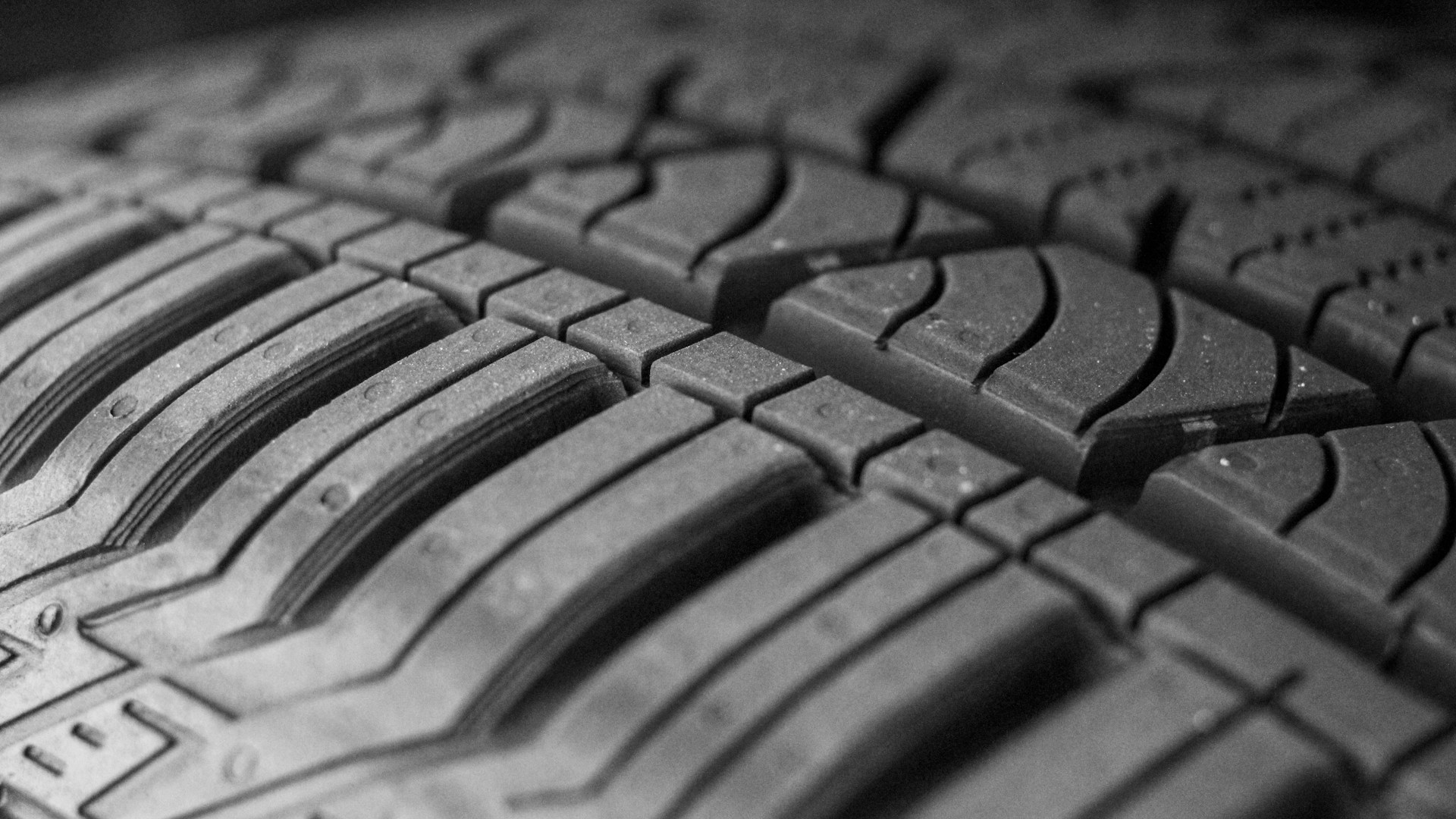
Two simple habits can help you get the most out of your tires: regular rotation and a proper alignment when it is needed. They are not glamorous, but skipping them is one of the quietest ways to waste money.
Why Tires Wear Unevenly
The four tires on your car do not do the same job. On a front-wheel-drive car, the front tires steer, pull the car forward and handle most of the braking force, so they usually wear faster. On a rear-wheel-drive or four-wheel-drive vehicle, the wear pattern is different. Weight, turning and braking all push on tires differently from corner to corner.
Rotation moves the tires to different positions on the car so that wear is shared out more evenly. Over time, that helps the set wear down together and last longer, which also means you replace all four at about the same time instead of two at a time.
What Alignment Does
Alignment refers to the angles of your wheels relative to the car and the road. When these angles drift out of specification, tires can scrub against the pavement instead of rolling cleanly. That is what causes patterns such as wear on only the inner or outer edge, or a saw-tooth feel across the tread that is sometimes called feathering.
Alignment can be thrown off by hitting a pothole or curb, by worn suspension parts, or just by the ordinary bumps of everyday driving. If your car pulls to one side, the steering wheel sits crooked while you drive straight, or the tires look worn on one edge, an alignment check is a smart next step.
Signs Your Tires Are Telling You Something
- Tread that is worn on the inside or outside edge more than the middle.
- A scalloped or choppy look across the tread.
- Wear on only one tire, or one pair, much faster than the others.
- A steering wheel that is off-center or a car that drifts.
- Vibration or a humming noise that grows with speed.
- Center wear that can point to over-inflation, or edge wear on both sides that can point to under-inflation.
Check The Owner’s Manual
Here is the important part: the right schedule varies. Different vehicles, tires and driving habits call for different rotation patterns and timing. Some cars have directional tires that can only be rotated front to back on the same side, and some have different-size tires front and rear that limit what can be done. All-wheel-drive systems can have specific requirements for matching tires. Your owner’s manual and the tire maker’s guidance will tell you what applies to your car, so follow them rather than a general rule you heard from a friend.
It is also wise to keep the maintenance records, because tire warranties may require proof that you rotated and maintained the tires as directed. A simple folder or phone photo of each receipt can save an argument later.
One more reason not to put it off: worn, uneven tires do not just cost money, they can also affect how your car grips in rain and how far it takes to stop. Tires are the only part of the car that actually touches the road, so treating them well is part of staying safe, not just saving money. If a shop tells you a tire is worn unevenly, ask them to show you the pattern and explain what is causing it, so you fix the cause and not just the tire.
Do The Cheap Stuff Between Visits
- Check tire pressure regularly with a good gauge, when the tires are cold, and fill to the pressure on the door jamb sticker or in the manual, not the number on the tire sidewall.
- Look over each tire for bulges, cracks, nails and uneven wear.
- Use a tread depth gauge or follow the wear bars built into the grooves to know when the tread is getting low.
- Ask for a rotation whenever you get your oil changed, if that fits the schedule in your manual.
- Have the alignment checked after you hit something hard, install new suspension parts or buy new tires.
The Money Math
A rotation is usually one of the least expensive services a shop offers, and some tire sellers include it with purchase. An alignment costs more than that, but it is a small amount compared with replacing a set of tires early. If uneven wear has already damaged the tread, no alignment can bring that rubber back, which is why catching it early matters so much.
You can find general tire safety information on the National Highway Traffic Safety Administration website, and your vehicle’s door jamb sticker lists the recommended tire pressure and size.
Tires quietly wear out in the background, and small habits make a big difference. Open your owner’s manual, find the rotation guidance for your car and put it on your calendar. The tires you save may be your own.
More Stories You May Like
- Dealership Mechanics Reveal the Car Brands They Would Never Park in Their Own Driveway in 2026, and Chevy, Hyundai and Jeep All Get Called Out
- Professional Detailer Shows the Right Way to Wash Your Car at Home and Says Protecting the Paint Is What Separates a Real Wash From the Car Wash Down the Street
- Business Owner Skips the Most Expensive New Truck and Buys a Used 2021 Nissan Titan Instead, Explaining Why It Is the Smarter Move for Tax Write Offs and Bank Financing