

Rust has a way of sneaking up on people. One day your car has a tiny chip in the paint near the wheel well, the kind you barely notice. A season or two later there is a bubble in the paint, then a patch of orange, then a quote from a body shop that makes you sit down. The repair was never about the chip. It was about what the chip was allowed to become.
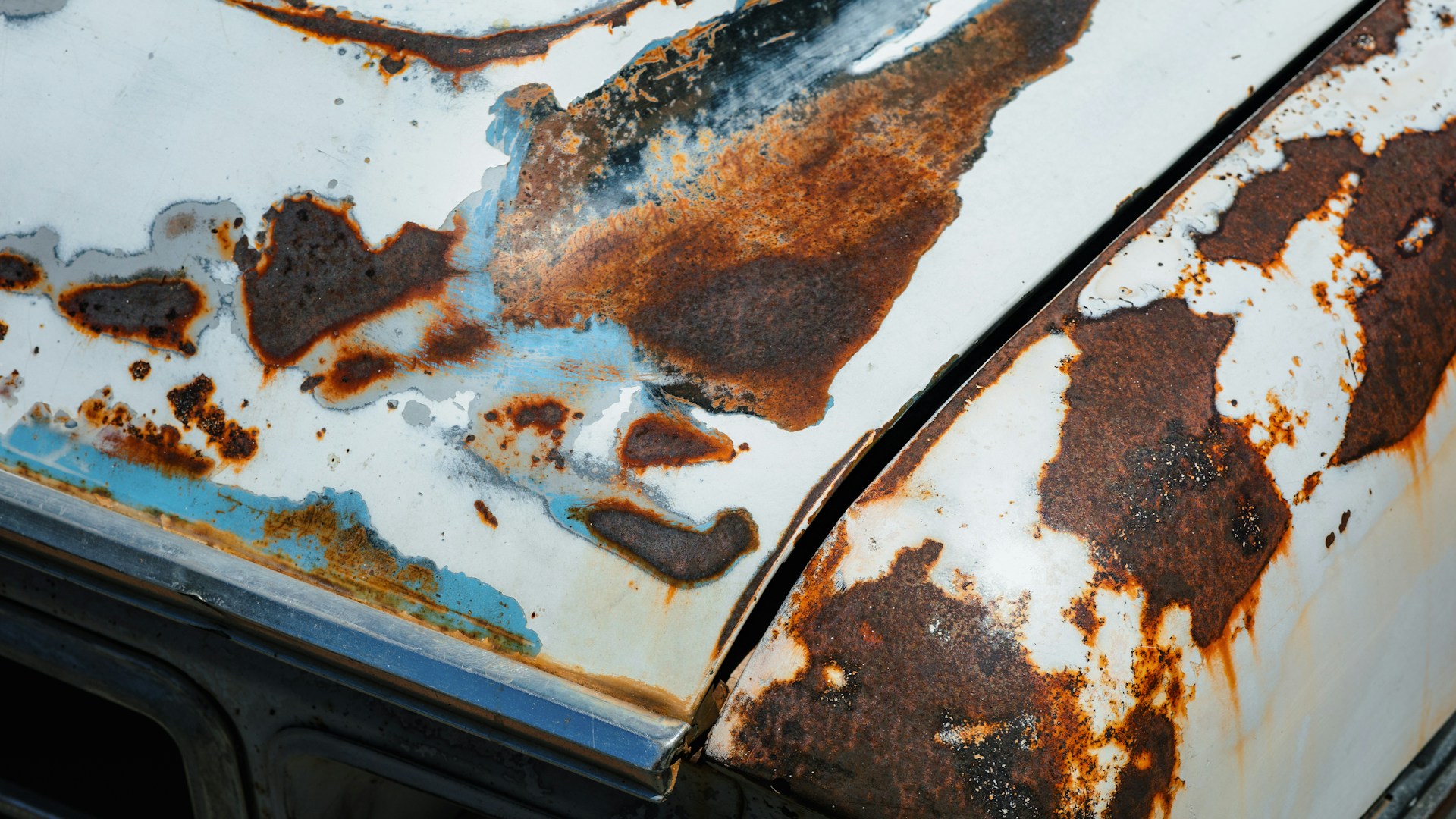
The good news is that rust is one of the most preventable problems a car can have. Most of the work is noticing small things early and keeping water from hanging around where it does not belong.
How A Small Chip Turns Into A Big Problem
Paint is more than decoration. It is the car’s protective skin, covering the metal underneath. Rust needs three things to get going: iron or steel, oxygen and moisture. A chip or scratch that breaks through the paint exposes bare metal to air and water, and rust can start right there.
The trouble is that it does not stay put. Rust can creep sideways underneath the intact paint around the damaged spot, which is why a small chip can end up with a much larger problem hiding beneath it. By the time you see it, the damage underneath is often bigger than what you can see on top.
Bubbling Paint Is A Warning Sign
If you spot bubbles in the paint, take them seriously. Bubbling usually means rust is forming underneath and pushing the paint up from below. The bubbles you see are often just the tip of the problem. Common trouble spots include the lower edges of doors, the area around the wheel wells, the bottom of the fenders and the rocker panels along the sides of the car.
When you catch a chip early, the fix is simple and cheap compared to what comes later. Clean the area, deal with any rust right away, prime the bare metal, apply matching touch-up paint and finish with clear coat. Many drivers can do this at home with an automotive touch-up kit, and a body shop can handle anything larger. The key is to act before the metal has begun to flake or the rust has spread under the paint.
If the paint is already bubbling or the metal has gone through, a shop is a better bet than a quick dab of paint. Covering rust without removing it just hides it for a while, and it keeps growing underneath.
The Hidden Part: Wash The Underside
A lot of rust starts where you cannot see it, under the car. Water, mud and dirt collect on the underbody, in the wheel wells and along the frame. In places where roads are treated with salt in winter, that salt spray sticks to the underside and speeds up corrosion. Coastal air can have a similar effect.
That is why a regular underside wash is one of the best things you can do. Rinsing off the dirt and road salt, especially after driving in winter conditions, removes the stuff that holds moisture against the metal. Many car washes offer an undercarriage spray, and a garden hose with a sprayer attachment can help at home. Pay attention to the wheel wells, the area behind the wheels and the places where mud tends to pack in.
Safety matters here too. Parts like the frame and the brake lines can rust, and when they do, the problem is no longer just cosmetic. Heavy rust on structural parts is something a mechanic should look at without delay.
The Clogged Drain Problem
Here is one that catches a lot of owners by surprise. Cars are designed with small drain holes and channels that let water escape. Doors have drain holes along the bottom. Sunroofs have drain tubes. The area at the base of the windshield has drains that carry rain and leaves away. Trunk and body panels often have their own drainage paths.
When leaves, pine needles and grime clog those drains, water has nowhere to go. It sits in the places that were never meant to hold it, and that is a recipe for rust from the inside out. It can also lead to damp carpets and musty smells inside the car, which is another sign worth checking.
Keep the drains open by clearing debris from the area at the base of the windshield, checking the bottoms of the doors and keeping an eye on your sunroof. Your owner’s manual may show where the drains are on your vehicle. If you are not sure, ask a mechanic to point them out at your next service visit.
A Simple Routine That Pays Off
- Walk around the car in good light and look for chips, scratches and bubbles. Do it each time you wash it.
- Touch up small chips quickly, before rust has a chance to spread.
- Wash the underside regularly, especially after winter driving or trips near the coast.
- Clear leaves and debris from the base of the windshield and from any drain areas you can reach.
- Check the carpet under the floor mats for dampness. Wet carpet can mean a drain is blocked or a seal has failed.
- Keep the paint protected with a coat of wax or sealant so water beads and runs off.
- Do not cover a damp car with a tight plastic tarp, which can trap moisture against the paint.
Know When To Call A Pro
Surface rust caught early is a weekend job. Rust that has bubbled the paint, eaten a hole in a panel, or reached the frame or brake lines is not. A trustworthy body shop or mechanic can tell you how far it has gone and what it will take to fix, and a clear answer is worth getting before the problem grows.
Remember that every car, climate and driving style is different, so check your owner’s manual for any care advice specific to your vehicle. The core idea does not change, though. Rust loves neglect. Give it nothing to hold onto, and your car will hold up far longer and look better doing it.
A small chip takes a few minutes to fix. A big rust repair takes weeks and a lot of money. That is a pretty easy choice to make, as long as you notice in time.
More Stories You May Like
- Five Car Parts Every Driver Should Check At 25,000 Miles Before Small Sensor Problems Turn Into Hard Starts, Rough Idling And Stalling
- Professional Detailer Shows the Right Way to Wash Your Car at Home and Says Protecting the Paint Is What Separates a Real Wash From the Car Wash Down the Street
- Five Things Your Car Salesman Should Never Know About You Before the Negotiation Even Starts